
Rajasthan
Bikaner Travel Guide — Red Sandstone Fort City on a Budget
Best months
Per-day budget
₹1,200–2,200/day
Getting there
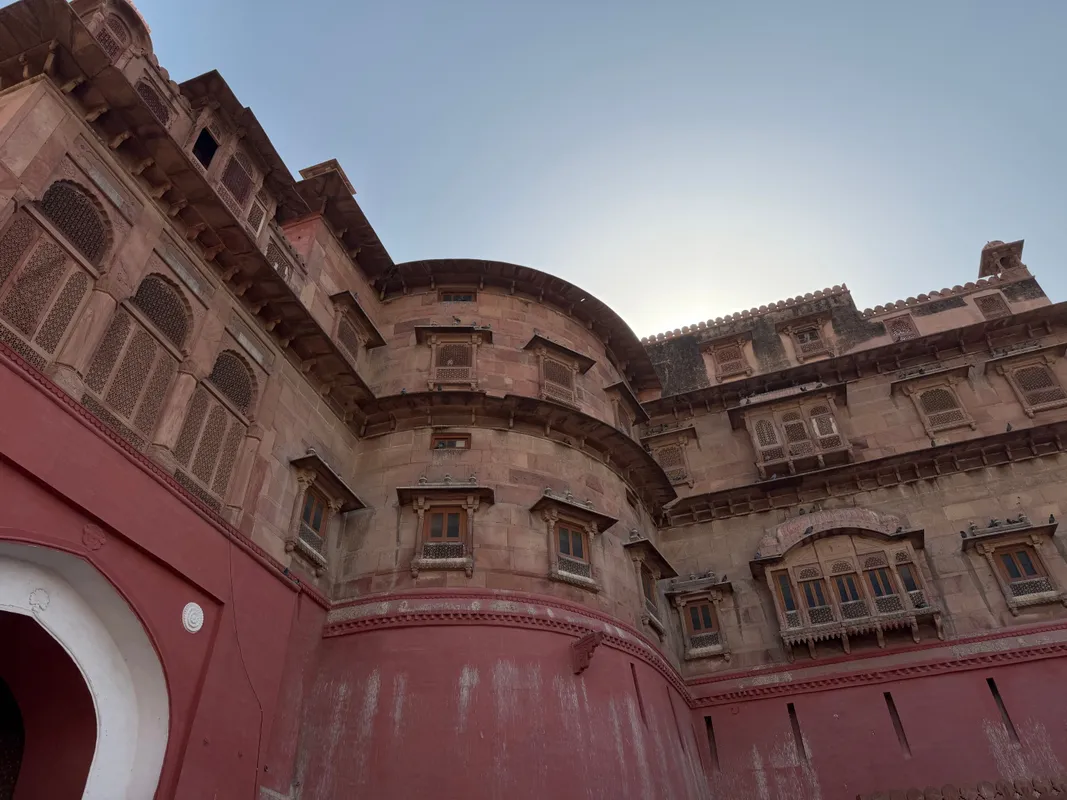
Bikaner is a city in northwestern Rajasthan, founded in 1488 by Rao Bika, a Rathore Rajput prince. The city is known for its red sandstone architecture, the Junagarh Fort (one of the few major Rajasthan forts not built on a hilltop), the Karni Mata Temple at Deshnoke (the rat temple), and the camel safaris in the surrounding Thar Desert. Bikaner is less visited than Jaipur or Jodhpur and has a more relaxed, local character. The city is also known for Bikaneri bhujia, the spicy crispy snack sold across India. It is a great destination for student backpackers looking for an affordable trip. The area is well-connected to major Indian cities by road, rail and air. The destination offers a mix of experiences that cater to all kinds of travellers, from solo backpackers to small groups.
Plan your trip to Bikaner Travel Guide — Red Sandstone Fort City on a Budget
Search and compare prices — we earn a small commission at no extra cost to you.
Flights
Hotels & Hostels
Trains
Search train routes, schedules and fares across India.
Buses
Compare bus operators, schedules and prices.
Why go
Junagarh Fort is the main attraction — a 16th-century fort with palaces, temples and a museum. Unlike most Rajasthan forts, it was not conquered by any enemy. The Lalgarh Palace, a red sandstone palace built in the 1920s, is a heritage hotel with a museum. The Karni Mata Temple at Deshnoke (30 km from Bikaner) is famous for the 20,000 rats that live in the temple and are worshipped. The Bikaner Camel Research Farm has camel rides and a museum. The National Research Centre on Camel offers a camel ride and milk tasting. Bikaner is the home of Bikaneri bhujia, the crispy gram flour snack sold across India. The bhujia market near the fort has dozens of shops selling fresh bhujia. Bikaneri namkeen (savory snacks) in general is famous — the Chotu Wala Gali area is the snack market. The local Rajasthani thali at Bhojanalayas on the main road is affordable. The ice cream at Bikaner's KC Ice Cream is a local institution.
How to reach
Bikaner has its own railway station with direct trains from Delhi (Bikaner Mail, sleeper class ₹400-500, 7-8 hours). The nearest airport is Jodhpur (250 km) or Jaipur (330 km). Buses from Delhi to Bikaner take 11-12 hours (₹500-800). The Bikaner Mail runs daily from Delhi Sarai Rohilla — check current timings and fares with IRCTC/NTES (enquiry.indianrail.gov.in) before travel. Bikaner city is spread out — autos and cycle rickshaws are the main local transport. The old city near the fort is walkable.
What a day costs
| Budget hotel | ₹500–800 |
| Food (Rajasthani thali) | ₹150–300 |
| Junagarh Fort entry (Indians) | ₹50–100 |
| Camel safari (half day) | ₹500–1,000 |
When to go
October to March is the best period — pleasant weather (10-25°C). July-September is monsoon — moderate rain but the desert landscape looks better. April-June is very hot (temperatures up to 45°C). The Camel Festival in Bikaner is held in January — a two-day event with camel races, shows and cultural programs. For sightseeing, November-February is ideal.
Suggested itinerary
Day 1: Arrive and Junagarh Fort
Arrive in Bikaner from Delhi by overnight train. Check into a hotel near the fort. Visit Junagarh Fort in the morning (2-3 hours). Visit the Lalgarh Palace and museum in the afternoon. Evening at the old city market for bhujia shopping.
Day 2: Karni Mata Temple
Take a local bus to Deshnoke (30 km, ₹50-80). Visit the Karni Mata Temple (the rat temple). Return to Bikaner by midday. Afternoon at the Camel Research Farm (camel ride, museum). Evening free.
Day 3: Camel Safari or Depart
If you have time, take a half-day camel safari in the desert (book through a local operator). Otherwise, catch a bus or train to Jodhpur or Delhi.
Student hacks
- ▸Bikaner is cheaper than Jodhpur or Jaipur — budget hotels from ₹500, food from ₹150 for a thali.
- ▸Junagarh Fort entry is ₹50 for Indians — one of the cheapest major Rajasthan fort entries.
- ▸Take the local bus to Deshnoke (₹50-80) instead of a taxi — the bus is frequent and the temple is at the bus stop.
- ▸Bikaneri bhujia from the Chotu Wala Gali market costs ₹100-200 per kg — direct from the source.
- ▸The Camel Festival in January is free to attend and is Bikaner's best cultural event.
Safety & permits
Indian nationals do not need any permit for Bikaner. The Karni Mata Temple has rats running freely — visitors are expected to walk barefoot inside. The temple is safe but visitors with rat phobia may find it challenging. The old city near the fort is safe. ATMs are widely available. Mobile coverage is excellent. Medical facilities include the PBM Hospital. Bikaner is safe for solo travellers. The desert safari areas require a guide or a group tour.
FAQs
How do I reach Bikaner from Delhi?
Take the Bikaner Mail from Delhi (7-8 hours, sleeper class ₹400-500) or a bus (11-12 hours, ₹500-800).
What is Bikaner known for?
Bikaner is known for Junagarh Fort, the Karni Mata Temple (rat temple), Bikaneri bhujia, and camel safaris.
Is the rat temple safe?
Yes. The temple is clean and the rats are considered sacred. Visitors must walk barefoot.
How many days do I need?
2-3 days — one for the fort and city, one for the rat temple and camel farm, one for safari or departure.