
Best months
Per-day budget
₹730–1,700/day
Getting there
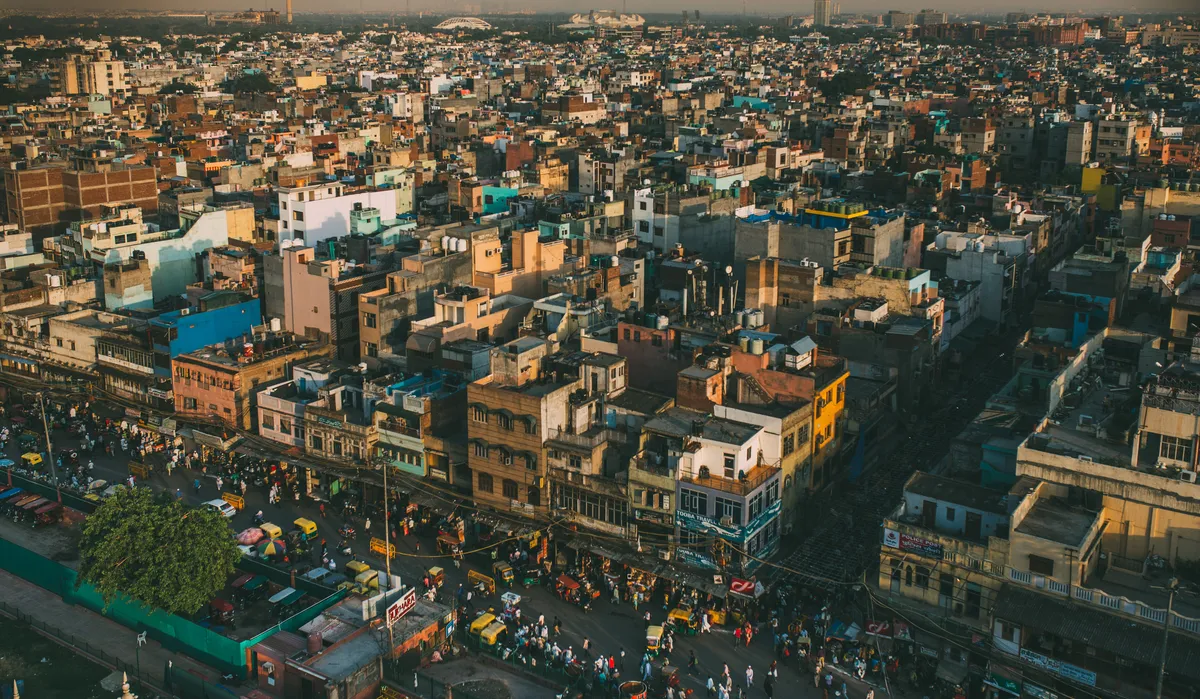
Delhi is India's capital and the most historically layered city in the country. Seven cities have been built and rebuilt on this ground, and every empire — from the Tomars and the Delhi Sultanate to the Mughals and the British — has left its mark. Old Delhi's Chandni Chowk and the Red Fort are from the Mughal era. Central Delhi's Lutyens zone, with India Gate and the Rashtrapati Bhavan, is from the British period. New Delhi has wide boulevards, embassies and upscale markets. For budget travellers, Delhi offers extraordinary street food, a metro system that covers the entire city for small change, and a hostel scene in Paharganj and South Delhi that is among India's best. Delhi is also the transport hub for most North India travel, with trains and buses connecting every direction.
Plan your trip to Delhi Travel Guide — Capital City on a Student Budget
Search and compare prices — we earn a small commission at no extra cost to you.
Flights
Hotels & Hostels
Trains
Search train routes, schedules and fares across India.
Buses
Compare bus operators, schedules and prices.
Why go
Delhi's heritage is spread across the city but the three UNESCO sites — the Red Fort, Qutub Minar and Humayun's Tomb — are the essentials. The Red Fort in Old Delhi was the Mughal seat of power for 200 years. Qutub Minar's 73-metre victory tower and the iron pillar next to it date back to the 12th century. Humayun's Tomb, built in 1572, is the architectural predecessor to the Taj Mahal. The Old Delhi walk from Jama Masjid through Chandni Chowk and the spice market at Khari Baoli is the best free cultural experience in the city. The National Museum, National Gallery of Modern Art and the Gandhi Museum offer deeper dives.
Delhi's food scene alone deserves a dedicated trip. Chandni Chowk's narrow lanes have parathas at Paranthe Wali Gali, the original Mughlai food at Karim's, and chaat at every corner. Connaught Place and Khan Market have upscale cafes and restaurants. Delhi's parks — Lodhi Garden, Nehru Park and the Garden of Five Senses — are excellent for relaxing walks. The India Gate lawns in the evening, the Dilli Haat handicraft market and the Hauz Khas Village cafe and art complex offer a range of leisure options. The metro makes all of these accessible without needing a cab.
How to reach
Delhi is the best-connected city in India by air, rail and road. Indira Gandhi International Airport handles flights from every major Indian and international city. The three main railway stations — New Delhi, Old Delhi and Hazrat Nizamuddin — connect to every corner of India. The Inter-State Bus Terminus at Kashmere Gate serves buses to all North Indian states. Within the city, the Delhi Metro is the most efficient and cheapest way to get around — a day pass costs ₹200 and covers all lines. Auto-rickshaws and app-based cabs supplement the metro. Paharganj near New Delhi station is the budget traveller hub with the highest density of hostels and cheap hotels.
What a day costs
| Dorm bed / budget hotel | ₹500–1,000 |
| Food (street food / thali) | ₹150–400 |
| Metro / local transport | ₹50–200 |
| Monument entry fees | ₹30–100 |
When to go
October to March is the best time. The weather is pleasant — cool mornings (8°C-15°C) and warm afternoons (20°C-28°C). November is often foggy, especially in the mornings. December and January can be cold (2°C-5°C at night). February-March has the best balance of clear skies and comfortable temperatures. April to June is very hot (40°C-45°C) — sightseeing is uncomfortable in the middle of the day. July to September is monsoon — heavy rain can cause waterlogging and traffic jams, but the city turns green and the air quality improves.
Suggested itinerary
Day 1: Old Delhi Walk and Red Fort
Start at Jama Masjid, India's largest mosque. Walk through the Chandni Chowk market to the Red Fort — the metro station is right outside. Spend 2-3 hours at the Red Fort. Walk to the spice market at Khari Baoli. Eat lunch at Karim's near Jama Masjid for Mughlai food. Visit Raj Ghat in the afternoon. End the day with a cycle rickshaw ride through the Chandni Chowk lanes.
Day 2: Lutyens Delhi and Humayun's Tomb
Start at India Gate and walk through Rajpath toward Rashtrapati Bhavan. Visit the National Museum or National Gallery of Modern Art. Take the metro to Humayun's Tomb — it is a short auto ride from JLN Stadium station. Visit Lodhi Garden for a relaxed evening walk. Have dinner at Khan Market or Hauz Khas Village.
Day 3: South Delhi and Depart
Take the metro to Qutub Minar in South Delhi — explore the complex and the adjacent Mehrauli Archaeological Park. Visit Dilli Haat for handicrafts from across India. If time permits, visit the Lotus Temple or Akshardham Temple (closed on Mondays). Depart from Delhi by evening train or flight.
Student hacks
- ▸The Delhi Metro day pass costs ₹200 — unlimited travel on all lines. Buy it at any metro station. This covers most sightseeing routes.
- ▸Red Fort entry for Indian nationals is ₹80 — carry your ID. The foreign rate is ₹600.
- ▸Eat at Chandni Chowk for the cheapest and best street food in Delhi — parathas at Paranthe Wali Gali, chole bhature, and chaat from almost any stall.
- ▸Paharganj near New Delhi station has the highest concentration of budget hostels — but book online rather than walking in to avoid high walk-in rates.
- ▸The HOHO (Hop On Hop Off) Delhi bus covers all major monuments — but the metro is cheaper and faster.
Safety & permits
Indian nationals do not need any permits for Delhi. The city is generally safe but requires standard big-city awareness. Keep valuables secure in crowded areas like Chandni Chowk and the metro. Paharganj can have aggressive touts — do not engage with strangers offering cheap goods or hotels. Women travellers should avoid walking alone in isolated areas after dark. The metro has women-only coaches in the front of each train. ATMs and UPI are everywhere. The Delhi Police helpline (100) and women's helpline (181) are active.
FAQs
How many days do I need in Delhi?
Three days is enough to cover the main sights — one day for Old Delhi, one day for Central Delhi, one day for South Delhi. Four days allows a more relaxed pace.
What is the best area to stay in Delhi for budget travellers?
Paharganj near New Delhi station is the classic budget backpacker hub. South Delhi (Hauz Khas, Lajpat Nagar) has quieter hostels. Karol Bagh has mid-range options.
Is Delhi safe for solo female travellers?
Delhi requires standard big-city caution. Stay in well-lit areas, use the women-only metro coaches, and avoid isolated areas after dark. Main tourist areas are safe during the day.
What is the best time to visit Delhi?
October to March is the best period. October-November and February-March offer the best weather. December-January can be foggy and cold. April-June is very hot.
What food is Delhi famous for?
Delhi's street food is legendary — parathas at Paranthe Wali Gali, Mughlai at Karim's, chole bhature, chaat, kebabs, and butter chicken. The old city lanes are the best place to explore.
What are the top monuments in Delhi?
Three UNESCO sites — Red Fort, Qutub Minar, Humayun's Tomb — are the essentials. India Gate, Lodhi Garden, and the tomb of Safdarjung are also worth visiting.