
Best months
Per-day budget
₹800–1,900/day
Getting there
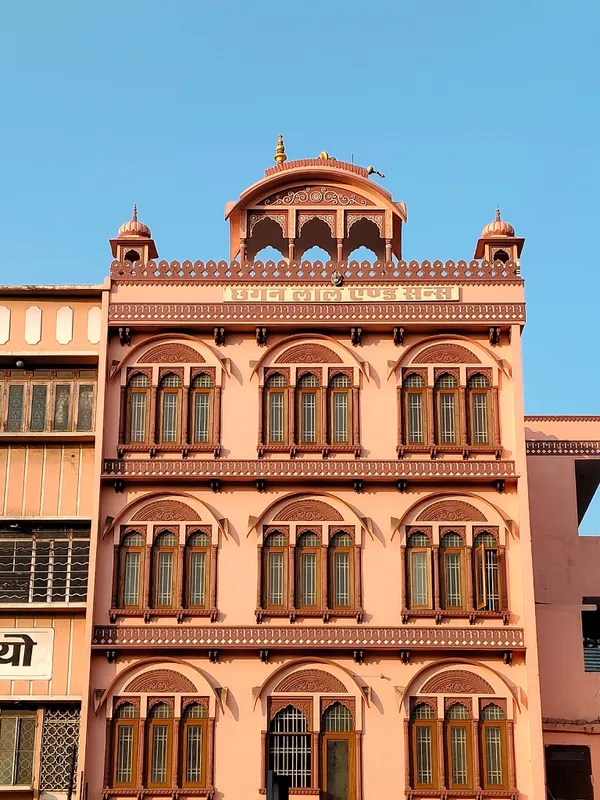
Jaipur is the capital of Rajasthan and the most visited city in the state. The old city, painted in terracotta pink, is laid out in a grid of wide streets lined with bazaars, temples and grand gateways. The three main attractions — Amber Fort, City Palace and Hawa Mahal — are all within or just outside the old city walls. The Jantar Mantar observatory, with its giant stone instruments, is a UNESCO site. Jaipur is also a shopping destination — the bazaars around Johari Bazaar and Bapu Bazaar are known for block-printed textiles, blue pottery, gemstones and camel leather goods. The city has a strong hostel and cafe culture near MI Road and the old city, making it easy for budget travellers. It is also well connected by train to Delhi, Agra and the rest of Rajasthan.
Plan your trip to Jaipur Travel Guide — Pink City on a Student Budget
Search and compare prices — we earn a small commission at no extra cost to you.
Flights
Hotels & Hostels
Trains
Search train routes, schedules and fares across India.
Buses
Compare bus operators, schedules and prices.
Why go
Jaipur's old city is a living heritage site. Amber Fort, built in the 16th century, sits on a hilltop 11 km from the city and can be explored on foot, by jeep or by elephant. The City Palace in the heart of the old city houses a museum with royal costumes, weapons and paintings. Hawa Mahal, the Palace of Winds, is a five-storey facade with 953 small windows that once allowed royal women to watch street processions unseen. Jantar Mantar has the world's largest stone sundial and is a fascinating stop even for those not interested in astronomy. A composite ticket covers all four at a discount.
Jaipur's bazaars are the main leisure activity. Johari Bazaar is the centre for jewellery and gemstones. Bapu Bazaar is the place for textiles, mojari shoes and souvenirs. The area around MI Road has good rooftop restaurants and a growing number of craft beer bars and cafes. Nahargarh Fort, on the ridge above the city, is popular for sunset views and has a small cafe within the fort walls. The Jal Mahal, a palace floating in the middle of Man Sagar Lake, is a short auto ride from the city and makes for a good photo stop. Jaipur's hostel culture includes rooftop common areas and organised city walks.
How to reach
Jaipur Junction is well connected to Delhi by multiple daily trains. The Shatabdi Express takes about 5 hours (₹800-900 chair car) and is the fastest option. Overnight trains in sleeper class cost ₹300-500 and take 6-7 hours. Check live timings on IRCTC or a train app before booking. Buses from Delhi ISBT to Jaipur cost ₹400-700 and take 6-7 hours. The nearest airport is Jaipur International, 14 km from the city centre, with flights from Delhi under ₹4,000. Once in Jaipur, the old city is a short auto ride from the railway station (₹100-150). The city buses, auto-rickshaws and app-based cabs cover all the tourist attractions.
What a day costs
| Dorm bed / backpacker hostel | ₹400–700 |
| Food (thali / street food) | ₹200–400 |
| Local transport (auto / bus) | ₹100–300 |
| Monument entry fees | ₹100–500 |
When to go
October to March is the best time to visit. The weather is pleasant for walking, with daytime temperatures between 20°C and 30°C. This is also peak tourist season — expect crowds at Amber Fort and the City Palace. April to June is very hot — temperatures exceed 40°C, and exploring the old city in the afternoon is uncomfortable. July to September is monsoon — the city gets moderate rain, the heat breaks, but it can be humid. November to January is the coolest and most comfortable period. If visiting in summer, start your sightseeing at 7 AM and rest during midday.
Suggested itinerary
Day 1: Amber Fort and Old City
Start early — take an auto or bus to Amber Fort (11 km from the city, 30 minutes). Spend 2-3 hours exploring the fort and the Sheesh Mahal. Return to the city by midday. Visit Hawa Mahal and the City Palace in the afternoon. End the day with a walk through the Johari Bazaar.
Day 2: Jantar Mantar and Nahargarh Sunset
Visit Jantar Mantar in the morning — the stone sundials are best seen in the early light. Walk through Bapu Bazaar for textiles and souvenirs. Take an auto to Nahargarh Fort in the late afternoon (₹200-300 from the city) for sunset over the Pink City. Have dinner at a rooftop restaurant near MI Road.
Day 3: Sanganer or Depart
If time permits, visit Sanganer, 16 km south of the city, known for its textile printing workshops and the Jain temple with intricate carvings. Otherwise, explore any attractions you missed on day 1. Catch an afternoon train back to Delhi or onward to Agra.
Student hacks
- ▸Buy the composite monument ticket (₹1,000) instead of individual tickets — it covers Amber Fort, City Palace, Jantar Mantar, Hawa Mahal and two more sites.
- ▸Amber Fort entry for Indian nationals is ₹100 — the foreign-tourist rate is ₹550. Carry your government ID at the gate.
- ▸Bapu Bazaar textiles are cheaper than Johari Bazaar for block-print fabrics — compare prices across at least three shops before buying.
- ▸Local bus route AC-1 and AC-2 connect the railway station, MI Road and the old city for ₹10-25 — far cheaper than autos.
- ▸Nahargarh Fort entry is ₹50 and the sunset view is free — carry water as the walk from the parking lot is uphill.
Safety & permits
Indian nationals do not need any permits for Jaipur. The old city is generally safe but can be overwhelming with traffic, touts and street vendors. Use the official monument ticket counter at each site rather than buying from agents and touts outside. The composite ticket for Amber Fort, City Palace, Jantar Mantar and Hawa Mahal costs about ₹1,000 and is valid for two days — a better value than individual tickets. ATMs and UPI are widely available. The main areas around MI Road and the old city are safe for solo travellers, including women. Avoid walking alone in poorly lit lanes after dark.
FAQs
How do I reach Jaipur from Delhi on a budget?
The Shatabdi Express (₹800-900, 5 hours) is the fastest. Overnight trains in sleeper class (₹300-500, 6-7 hours) are the cheapest. Buses from ISBT cost ₹400-700.
What is the composite ticket for Jaipur monuments?
The composite ticket is a single pass covering Amber Fort, City Palace, Jantar Mantar, Hawa Mahal, and two other sites. It costs about ₹1,000 and is valid for two days. Available at the entrance of any of these monuments.
What is Jaipur best known for?
Jaipur is known for its pink old city, the Amber Fort, Hawa Mahal and Jantar Mantar. It is also a major centre for block-printed textiles, gemstones, blue pottery and traditional Rajasthani jewellery.
Is Jaipur safe for solo travellers?
Yes. The tourist areas — MI Road, the old city, Amber Fort — are busy and safe. Use the usual caution with traffic and touts. Solo female travellers are common in Jaipur.
What is the best time to visit Jaipur?
October to March is the best period. The weather is cool and pleasant for sightseeing. Summers (April-June) are very hot. Monsoon (July-September) is moderate.
How many days do I need in Jaipur?
Two full days is enough to cover the major attractions — one day for Amber Fort and the old city, one day for Jantar Mantar, Nahargarh and shopping. Three days allows a relaxed pace.