
Jammu and Kashmir
Jammu Travel Guide — City of Temples on a Budget
Best months
Per-day budget
₹700–1,370/day
Getting there
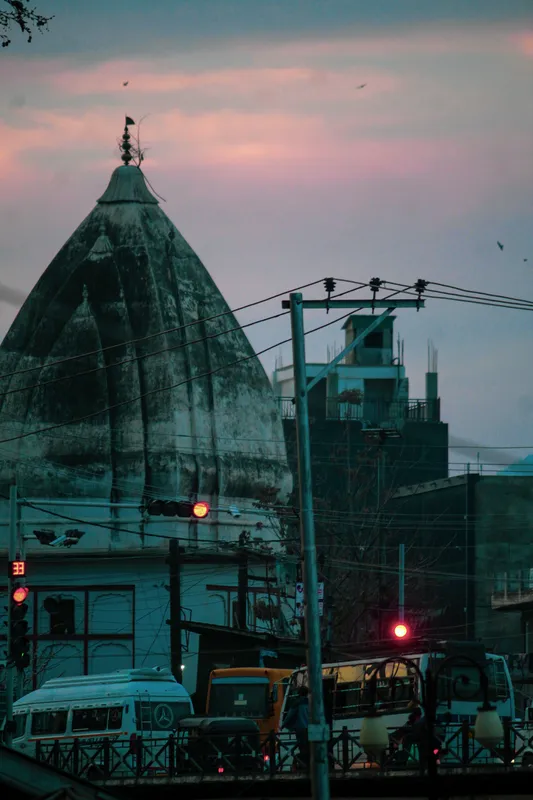
Jammu is the winter capital of Jammu and Kashmir, set at 300 m on the banks of the Tawi River. It is known as the City of Temples because of the numerous shrines in and around the city. Jammu is the base for the Vaishno Devi Yatra (the Katra base camp is 50 km away). The city itself has Bahu Fort on the Tawi riverbank, the Raghunath Temple complex (the largest temple complex in North India), and the Mubarak Mandi Palace complex with its blend of Rajasthani, Mughal and European architecture. Jammu is warmer than Srinagar and is the main transport hub for the Jammu region, with good train and bus connections to Delhi and other Indian cities. It is a great destination for student backpackers looking for an affordable trip.
Plan your trip to Jammu Travel Guide — City of Temples on a Budget
Search and compare prices — we earn a small commission at no extra cost to you.
Flights
Hotels & Hostels
Trains
Search train routes, schedules and fares across India.
Buses
Compare bus operators, schedules and prices.
Why go
The Raghunath Temple complex is the main spiritual attraction in Jammu — seven Hindu shrines dedicated to Lord Rama, built in the 19th century. The Bahu Fort on a hilltop overlooking the Tawi River has the Mahakali Temple inside the fort (also called Bawe Wali Mata). The Mughal-era Ranbireshwar Temple has a 7.5 m high Shiva lingam. The Amar Mahal Palace on a hill above the city is now a museum with exhibits on Jammu history. The Purmandal temple town on the Devika River, 35 km from Jammu, is called Chota (Little) Kashi.
Jammu is a transit city for most travellers headed to Kashmir or Ladakh. The city centre around Raghunath Bazaar has shops selling Kashmiri handicrafts, carpets and dried fruits. The K.C. Residency area on the riverfront has parks and walking paths along the Tawi. The Mansar Lake, 60 km from Jammu, is a wildlife sanctuary with boating and lakeside walks. The Akhnoor fort on the Chenab River, 30 km from Jammu, is a 19th-century fort with views of the river gorge.
How to reach
Jammu has its own railway station with direct trains from Delhi, Mumbai and other major cities. The Jammu Rajdhani from Delhi takes 8-9 hours (sleeper class ₹500-800, 3AC ₹1,200-1,500). Multiple trains operate daily including the Shri Mata Vaishno Devi Katra Express — check current timings and fares with JKSRTC (jksrtc.co.in) for buses and IRCTC/NTES (enquiry.indianrail.gov.in) for trains before travel. The nearest airport is Jammu Airport, with flights from Delhi, Mumbai and Srinagar. By road, buses from Delhi ISBT to Jammu take 10-12 hours (₹600-900). Jammu city is spread out — autos and taxis are the main local transport.
What a day costs
| Budget hotel | ₹500–900 |
| Food (thali) | ₹150–300 |
| Auto fare (city) | ₹50–150 |
| Bahu Fort entry | ₹0–20 |
When to go
October to March is the best season — the weather is pleasant and cool. April to June is hot (temperatures up to 40°C). July to September is monsoon with moderate rain. The Vaishno Devi Yatra operates year-round but is heaviest from March-June and September-December. For sightseeing in Jammu city, October-March is ideal. The Jammu Festival in September features cultural programs and exhibitions.
Suggested itinerary
Day 1: Arrive and Bahu Fort
Arrive in Jammu from Delhi by train or flight. Check into a hotel near the railway station. Visit Bahu Fort and the Mahakali Temple in the late afternoon — the view of the Tawi River from the fort is good. Evening at the Raghunath Temple and the surrounding bazaar.
Day 2: Mubarak Mandi and Amar Mahal
Visit the Mubarak Mandi Palace complex in the morning (the Sheesh Mahal and the old Durbar Hall). Visit the Amar Mahal Palace museum in the afternoon — the golden palace is now a museum with Jammu heritage exhibits. Evening at the K.C. Residency riverfront.
Day 3: Mansar Lake or Depart
If you have time, take a bus to Mansar Lake (60 km, ₹100-150) for a morning of boating and lakeside walking. Return by afternoon and catch a train or bus onward to Katra/Vaishno Devi or Srinagar.
Student hacks
- ▸Stay near the Jammu railway station — budget hotels start at ₹500 and the station has good connectivity to the rest of the city.
- ▸Take local autos rather than taxis — autos in Jammu charge ₹50-100 for most city routes.
- ▸The Bahu Fort has no entry fee — the walk up to the fort is free and the river view is excellent at sunset.
- ▸Eat at the dhabas near Raghunath Bazaar — ₹100-150 for a thali compared to ₹300+ in the hotels.
- ▸Jammu is the transit hub — use it as a base for Vaishno Devi or as the first stop on the way to Kashmir.
Safety & permits
Indian nationals do not need any permit for Jammu. The city is safe with a visible police and military presence due to its proximity to the Line of Control. Jammu is a major transport hub with good medical facilities and ATMs in all areas. Mobile coverage from all networks is excellent. The Vaishno Devi Yatra registration is required for the trek to the cave (online registration available). Solo travellers are common in Jammu. The old city areas can be congested — watch your belongings in crowded markets. Carry a photo ID at all times.
FAQs
How do I reach Jammu from Delhi?
Take a direct train from Delhi to Jammu (8-9 hours, sleeper class ₹500-800) or a flight (1.5 hours, ₹3,000-6,000).
What is Jammu known for?
Jammu is known as the City of Temples, the winter capital of Jammu and Kashmir, and the base for the Vaishno Devi Yatra.
Is Jammu safe?
Yes. Jammu is safe with a strong security presence.
How many days do I need in Jammu?
One full day is enough for the main attractions. Two days for a relaxed pace and Mansar Lake.
Do I need a permit for Jammu?
No. Permits are not required for Jammu.