
Best months
Per-day budget
₹350–1,000/day
Getting there
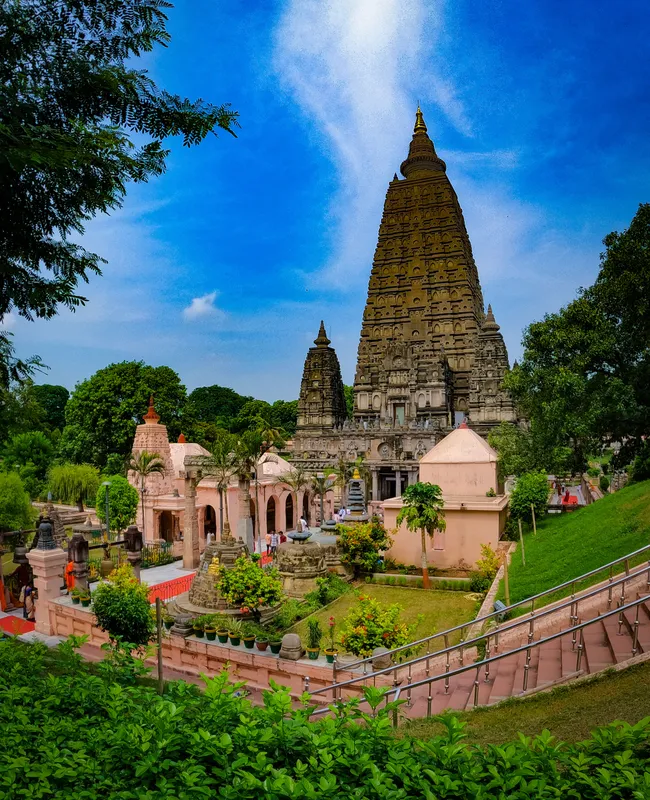
Bodh Gaya in Bihar is the most important Buddhist pilgrimage site in the world. It is here, under the Bodhi tree at the Mahabodhi temple complex, that Siddhartha Gautama attained enlightenment 2,500 years ago and became the Buddha. The site draws pilgrims from every Buddhist country, and the surrounding area is dotted with monasteries built by Thailand, Myanmar, Japan, Tibet and other nations, each in its own architectural style. The Mahabodhi temple itself is a UNESCO World Heritage site with a 50-metre pyramidal spire. Bodh Gaya is also one of the best places in India to take a Vipassana meditation course, many of which are free. The town is small, walkable and very budget-friendly, with monastery guesthouses offering rooms for under ₹500 a night and free meditation sessions available daily.
Plan your trip to Bodh Gaya Travel Guide
Search and compare prices — we earn a small commission at no extra cost to you.
Flights
Hotels & Hostels
Trains
Search train routes, schedules and fares across India.
Buses
Compare bus operators, schedules and prices.
Why go
The Mahabodhi temple complex is the spiritual centre of Bodh Gaya. Inside, the Bodhi tree — a descendant of the original tree under which the Buddha sat — stands beside a meditation platform. Pilgrims from around the world sit and meditate under the tree throughout the day. The temple opens before dawn and the morning prayers create a quiet, focused atmosphere. The 80-foot sandstone statue of the Buddha inside the temple is surrounded by small shrines and prayer halls. The complex is open late into the evening and the lighting after dark gives it a different character altogether.
Bodh Gaya is a global centre for Buddhist studies. The Root Institute offers courses on Buddhist philosophy and practice. The Myanmar, Bhutan and Thai monasteries host meditation workshops. The 10-day Vipassana courses at the Dhamma Bodhi centre near Bodh Gaya are free — you pay only what you wish to donate at the end. The courses require a full 10-day commitment with a strict schedule of meditation and silence. For shorter exposure, many monasteries offer daily meditation sessions open to visitors. The Tibetan and Japanese monasteries have small libraries and host talks on Buddhist teachings.
How to reach
The nearest railhead is Gaya Junction, about 17 km from Bodh Gaya. Trains from Delhi to Gaya take 7-9 hours (sleeper class ₹400-600). Check live timings on IRCTC or a train app before booking. From Gaya, buses and shared autos to Bodh Gaya run frequently (₹50-100, 30 minutes). The nearest airport is Gaya with limited flights from Delhi and Kolkata. Bodh Gaya town is small and walkable — most monasteries and the Mahabodhi temple are within a 2 km radius. The Nalanda and Rajgir day trips require a separate shared taxi or bus arrangement from Bodh Gaya.
What a day costs
| Monastery guesthouse / dorm | ₹200–500 |
| Food (thali / monastery meals) | ₹100–300 |
| Local transport (auto / bus) | ₹50–200 |
| Vipassana course (10-day) | ₹0–0 |
When to go
October to March is the best time. The weather is pleasant — cool mornings and mild afternoons. November to February is the peak season with good weather for walking and meditation. April to June is hot (40°C+), making midday outdoor activities uncomfortable. July to September is monsoon — the town is green and the temples look good in the rain-washed light, but humidity is high. Buddha Purnima in April-May is the most important festival — the Mahabodhi temple is decorated and draws thousands of pilgrims. Winter months (December-January) can be cold at night — carry warm clothes.
Suggested itinerary
Day 1: Mahabodhi Temple and Monasteries
Arrive in Bodh Gaya by midday. Visit the Mahabodhi temple in the late afternoon when the light is soft. Walk around the complex — the Bodhi tree, the meditation platform and the small shrines. Visit the Thai, Myanmar and Japanese monasteries in the evening — they are a short walk from the main temple.
Day 2: Full Day — Temple at Sunrise and Meditation
Visit the Mahabodhi temple at sunrise (5 AM opening) — this is the most peaceful time. Spend an hour sitting under the Bodhi tree. Visit the Great Buddha Statue — a 25-metre statue on the outskirts of town. Spend the afternoon exploring the Tibetan monastery and the Root Institute. Attend the evening chanting at one of the monasteries.
Day 3: Nalanda and Rajgir Day Trip
Take a shared taxi from Bodh Gaya to Nalanda (₹200-300 per person, 2 hours). Visit the Nalanda University ruins and museum — one of the world's oldest universities. Continue to Rajgir (30 minutes from Nalanda) for the Vishwa Shanti Stupa and the ropeway. Return to Bodh Gaya by evening.
Student hacks
- ▸Monastery guesthouses offer clean rooms for ₹200-500 per night — the Thai and Myanmar monasteries are particularly good value.
- ▸The Mahabodhi temple is free — no entry fee for anyone regardless of nationality.
- ▸The 10-day Vipassana course at Dhamma Bodhi is free (donation-based) — meals and accommodation are included.
- ▸Eat at the small Tibetan eateries near the monastery area — thukpa and momos cost ₹50-100.
- ▸Carry cash — ATMs in Bodh Gaya are few and the ones near the temple can run out during peak seasons.
Safety & permits
Indian nationals do not need any permit beyond entry to the Mahabodhi temple complex. The Mahabodhi temple entry is free for all visitors. The temple closes for a few hours in the afternoon — check the schedule at the gate. Shoes must be removed before entering the temple complex — there are shoe counters at the entrance. Monastery dress codes require covered shoulders and knees. The town is very safe. Solo travel, including for women, is common and unproblematic. ATMs are available near the main square. The Vipassana course requires advance application and medical clearance — apply on the Dhamma Bodhi website well ahead of time.
FAQs
How do I reach Bodh Gaya from Delhi?
Take a train from Delhi to Gaya Junction (sleeper class ₹400-600, 7-9 hours), then a bus or shared auto to Bodh Gaya (₹50-100, 30 minutes).
Is the Mahabodhi temple free to enter?
Yes. Entry to the Mahabodhi temple complex is free for all visitors regardless of nationality. The temple also has free shoe counters.
How do I sign up for a Vipassana course in Bodh Gaya?
Apply on the Dhamma Bodhi website (part of the global Vipassana network). The 10-day course is free and includes meals and accommodation. Places fill months in advance.
Is Bodh Gaya safe for solo travellers?
Yes, very safe. It is a small town centred around a religious site and sees many solo travellers. The temple area is well lit and busy. Solo women travellers are common.
How many days do I need in Bodh Gaya?
Two full days for the Mahabodhi temple and the monasteries. Three days if you add a day trip to Nalanda and Rajgir.
What is the best time to visit the Mahabodhi temple?
Sunrise (5 AM) is the most peaceful time with fewer visitors and the morning prayers. The temple is also beautiful in the evening with the lights on. Avoid midday heat.