Algarve Cliffs & Coves: Portugal's Golden Coast
Youth Travel India ·
Golden cliffs, sea caves and budget hostels in Lagos plus trains, buses and student costs for Portugal.
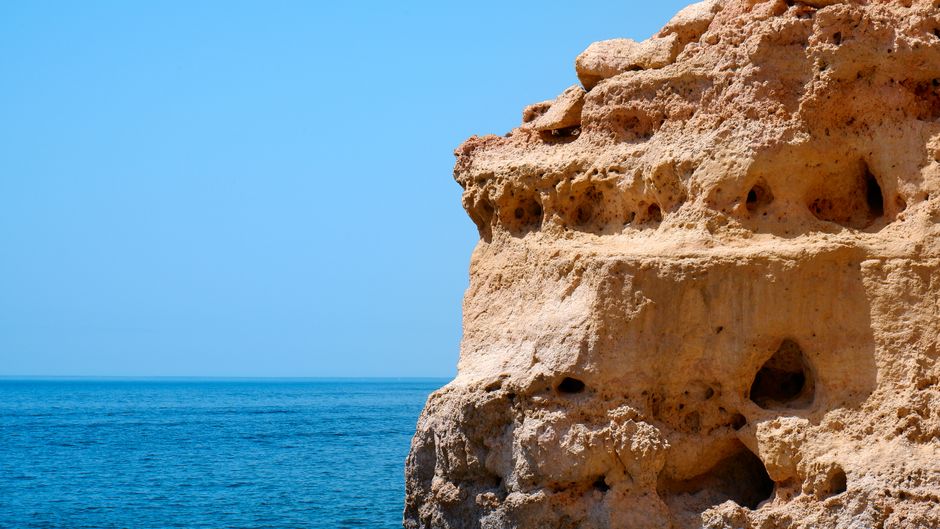
The Algarve feels like someone took golden cliffs, carved arches and sea caves into them, then poured turquoise Atlantic water around the base. Based around towns like Lagos, Albufeira and Tavira in southern Portugal, this coast is famous for Ponta da Piedade, Benagil Cave and the Seven Hanging Valleys trail. Walk the cliff paths early, swim in small coves at midday and eat grilled fish in back streets at night and you get the best of the region for very little.
Getting there: fly into Faro Airport which is the Algarve gateway with many low-cost connections from Lisbon, Madrid and London. From India students usually reach Lisbon via the Gulf or London, then take a domestic hop or train south. 50 to 2. 50 per ride.
What it costs: plan roughly ₹5,500 to 8,000 per day in the Algarve on a careful student budget, roughly EUR 60 to 90. A hostel dorm bed in Lagos in shoulder season often costs roughly EUR 18 to 30, roughly ₹1,600 to 2,700, while a simple guesthouse double split between two can be roughly EUR 25 to 40 per person. Always check current rates since summer prices jump sharply.
When to go: aim for late April to June and September to early October for warm seas, long days and lower prices. July and August bring strong crowds, hot cliffs with little shade, and hostel rates that can double. Avoid clifftop walks in high wind or rain because limestone edges get slippery and sections near Benagil and Marinha can be fenced off. Spring wildflowers and calm mornings make May a favourite for first-timers.
Stay safe: cliff edges in the Algarve are beautiful and exposed, so stay behind fences and on marked paths on the Seven Hanging Valleys trail between Praia da Marinha and Benagil. Swim only at lifeguarded beaches in season and respect red flags because Atlantic currents near arches can be strong. Keep passport copies and insurance handy.
Your first day can centre on Lagos and Ponta da Piedade. Start with the cliff boardwalk from Praia do Camilo to Ponta da Piedade lighthouse for arches, sea stacks and stairways down to tiny beaches. In the evening wander the old town walls, try a budget tasca near Rua da Barroca, and join the sunset crowd at the lighthouse without spending anything. This is an easy walking day with buses needed only if you stay outside the centre.
Your second day can follow the Seven Hanging Valleys trail. Take the morning bus or train toward Carvoeiro or Benagil, then walk the roughly six kilometre clifftop section to Marinha Beach. Picnic at Marinha, consistently rated among Portugal most beautiful beaches, then bus back to Lagos or Albufeira. If you prefer a guided sea experience, join an afternoon kayak or small boat trip from Benagil rather than a large party boat.
Your third day can be slower and cheaper. Explore Tavira or Olhao by regional train for tiled churches, salt pans and island ferries to Ilha de Tavira and Armona where beaches stretch for kilometres. End with a supermarket sunset picnic at Praia dos Estudantes with its arch and small chapel rock, a fitting student named beach.
Saving money here is mostly about timing and self-catering. Stay in hostels with kitchens in Lagos rather than beach resorts in Albufeira, shop at Pingo Doce or Continente for breakfast and trail lunches, and use trains booked early on the Comboios de Portugal site. Many museums have reduced youth rates with student ID. Carry a reusable bottle since tap water is generally drinkable in the Algarve. Avoid touts selling boat trips on the street at inflated prices and compare two or three licensed operators at the marina instead.
Foreign readers and culture notes: Portugal is relaxed and polite, with lunch usually after twelve thirty and dinner after seven thirty. Greet shopkeepers with bom dia until midday and boa tarde after that, and ask before photographing people at markets. English is widely spoken in the Algarve, but a few Portuguese phrases go a long way. Carry ID since Schengen rules require it, keep valuables modest at busy beaches, and respect quiet hours in hostel neighbourhoods after ten at night.
Packing and practical tips make cliff days easier. Bring grippy sandals or light trail shoes rather than smooth flip flops for limestone paths, plus a sun hat, reef friendly sunscreen and a light wind layer for evenings. Buses accept cash and cards but smaller kiosks prefer small notes. ATMs are common, though Euronet machines charge higher fees so prefer bank ATMs. Download offline maps for the trail because clifftop signal can drop. If you travel in shoulder season, book only the first two hostel nights and extend if you love the town.
Food beyond fish keeps budgets friendly. Try cataplana seafood stew to share, grilled chicken, caldo verde soup and pastel de nata custard tarts for roughly EUR 1.20 to 1.80 each. Vegetarian students find omelettes, salads, pizzas and Indian and Nepali restaurants in Lagos and Albufeira. Tap water plus a glass of house wine at lunch is often cheaper than soft drinks at tourist cafes. Ask for the prato do dia lunch special on weekdays for the best value.
You leave the Algarve remembering light more than anything, gold on cliffs, white on lighthouses and deep blue in coves. With buses, trails and hostel kitchens you can shape a three-day trip that feels rich without resort spending. Walk early, swim midday, eat where locals queue and keep cliff safety first. Check current train fares and Schengen rules before you fly, then let the coast set a slow and sunny pace.