
Amsterdam Beyond the Canals: Jordaan & Markets
Youth Travel India ·
Amsterdam beyond the crowds: Jordaan lanes, markets, museum deals and a three-day budget plan.
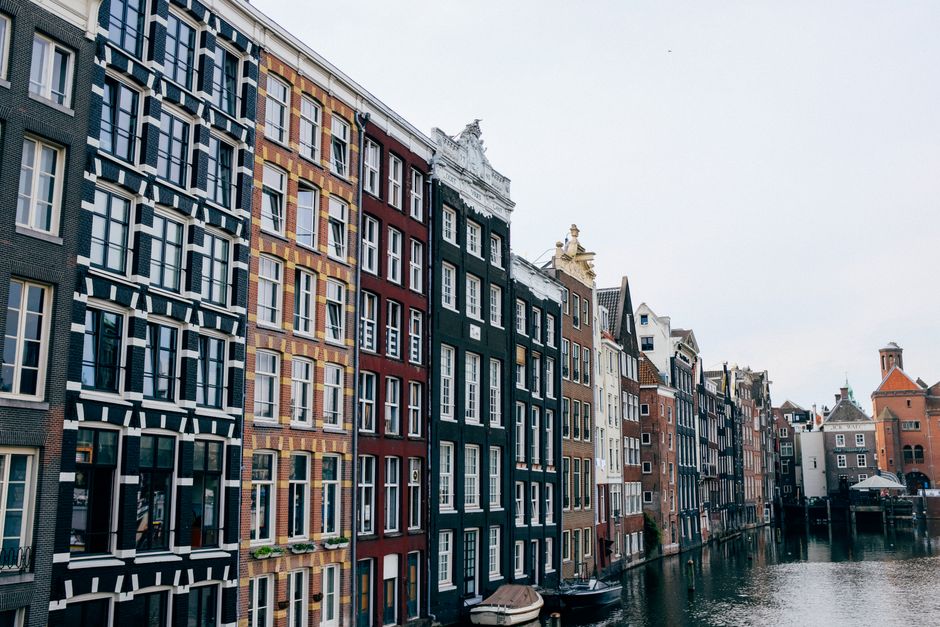
Everyone photographs the canal belt, but students live in the layers behind it. The Jordaan lanes hide courtyard hofjes, brown cafes, and vintage racks; the markets feed you stamps, stroopwafels, and secondhand bikes; and the outer neighbourhoods hold the street art, breweries, and student bars where locals actually spend evenings. Amsterdam is expensive at first glance and surprisingly manageable once you learn its passes, free ferries, and picnic culture. Go beyond the canals and the city opens up.
Getting there and around starts at Schiphol airport, twelve minutes from the centre by train. The airport rail link costs roughly EUR 5 to EUR 7, or about ₹450 to ₹650, with trains every few minutes to Centraal station, while the night bus covers the small hours. Inside the city, trams, metros, and buses run on contactless check-in and check-out, with single rides around EUR 3.50 and day passes in the range of roughly EUR 9 to EUR 10, so count rides before buying. Cycling is the real transport: rentals run roughly EUR 10 to EUR 15 a day, bike lanes rule the streets, and locking properly matters more than speed.
What it costs per day is the highest in this guide series, so plan tightly. A hostel dorm typically runs roughly EUR 35 to EUR 60 a night, or about ₹3,300 to ₹5,700, with central beds booking out weeks ahead in summer. Supermarkets are your budget anchor: bread, cheese, and fruit breakfasts, plus evening picnic dinners along the canals, slash food bills dramatically. A filling Surinamese, Turkish, or Indonesian meal often costs EUR 10 to EUR 16, cafe coffees add up fast, and many students spend roughly EUR 90 to EUR 140 a day all in, or about ₹8,500 to ₹13,200.
When to go balances weather, crowds, and bed prices. April to May brings tulip season, King's Day chaos in orange, and high hostel rates, so book early or skip the peak week. June to September offers long bright evenings, terraces, and festival energy with the highest prices. October to March is grey, wet, and wonderfully cheap, with museums empty and cosy cafes full, though daylight shrinks. Whatever the month, pack a real rain jacket and layers, since canal weather changes hourly and umbrellas lose to the wind.
The Jordaan is your first beyond-the-canals morning. Wander its narrow lanes, peek into unlocked hofje courtyards where almshouse gardens hide behind doors, and browse the Noordermarkt Saturday stalls for antiques and organic food. The Anne Frank House sits at its edge and needs tickets booked weeks ahead at roughly EUR 16, or about ₹1,500, with no walk-up sales, so sort this before you fly.
Markets carry the next half day beautifully. Albert Cuyp in De Pijp runs daily with stroopwafels made to order, herring stalls, fabric, and bikes, while Waterlooplein sells secondhand everything near the opera house. Pair markets with the free ferry to NDSM in the north, where shipyard street art, the crane hotel, and studenty cafes show the industrial edge most tourists never see. All of this costs almost nothing beyond what you eat.
Museums need strategy since headline entries sting. The Rijksmuseum runs roughly EUR 22 to EUR 25, or about ₹2,100 to ₹2,400, and the Van Gogh Museum similar with strictly timed slots that sell out, so students should pick one big museum and book days ahead. Smaller gems like the photography museum, the resistance museum, and university collections cost less and crowd less. Many museums offer free or discounted windows with city passes, so price the pass against your exact shortlist rather than buying blindly.
Stay safe with bike-first awareness. The biggest danger in Amsterdam is stepping into a bike lane while photographing a canal, so look both ways on red-paved paths and never walk in them. Bike theft is industrial scale, so lock frames to fixed racks with two locks and photograph your rental. Trams are silent and fast, so cross only at lights, and keep bags zipped in Centraal crowds. Coffeeshop edibles hit far harder and longer than smoking elsewhere, so first-timers should skip them or take tiny amounts with trusted friends and zero cycling after.
A three-day sketch keeps zones clustered. Day one is the centre done fast: canal walk, Jordaan lanes and hofjes, Noordermarkt if Saturday, Anne Frank slot if booked. Day two is museums and De Pijp: one big museum morning, Albert Cuyp lunch, Vondelpark afternoon, Foodhallen evening. Day three is north and west: free ferry to NDSM street art, Jordaan leftovers, sunset picnic on a quiet canal bridge.
Foreign readers should learn Dutch directness and cycling law. Bikes have right of way almost everywhere, pedestrians should never block lanes, and ringing is communication, not rudeness. Tipping is modest, service included, with rounding up appreciated but optional. Tap water is excellent, toilets often cost a euro, and ID checks happen in nightlife strips, so carry a copy with the original locked up. English works everywhere, but a cheerful dank je wel thanks smooths every transaction.
Papers first for Indian students: the Netherlands needs a Schengen short-stay visa applied through the embassy or application centre with bookings, insurance, and statements, with the harmonised fee in the range of roughly EUR 90 plus service charges, so check the current fee and checklist weeks ahead. Summer slots vanish, biometrics are required, and decisions take about two weeks normally. Keep printed bookings for border control and never assume approval dates.
Amsterdam beyond the canals is the version locals love. Ride the free ferry, picnic like a student, pick one museum properly, and let the Jordaan lanes and market mornings carry the trip.