
Athens: The Acropolis & the Birth of Ideas
Youth Travel India ·
Acropolis tickets, Athens metro, hostels and daily budgets in euro and INR for a student history trip.
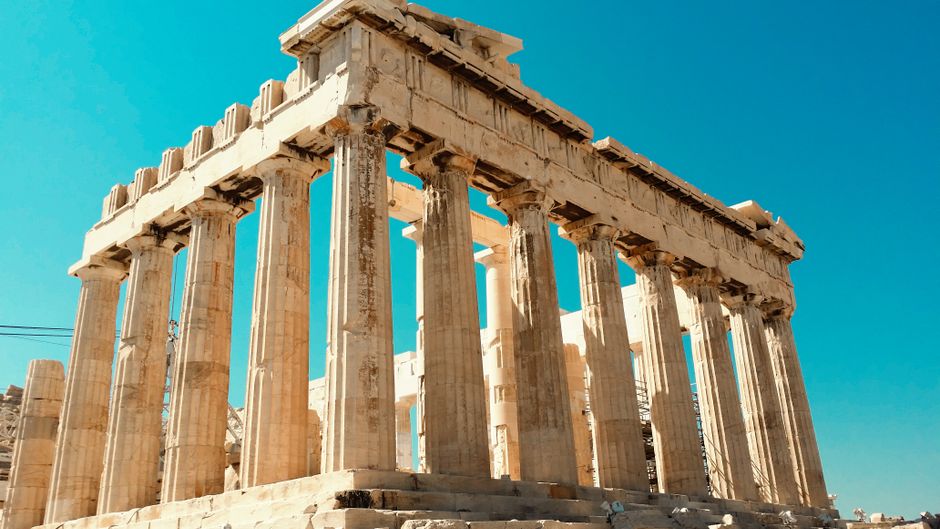
Athens lets you stand where democracy, philosophy and theatre took shape, on a rock above a living city. UNESCO calls the Acropolis the symbol of the classical spirit: the Parthenon, Erechtheion, Propylaea and the Temple of Athena Nike were built in the fifth century BC under Pericles, with the sculptor Pheidias, on a hill whose walls are more than 3,300 years old. The site is compact and best at opening time. This guide gives fares, tickets and a three-day plan.
Getting there: fly from Delhi, Mumbai or Bengaluru to Athens Eleftherios Venizelos airport, with one stop in the Gulf or Europe. Return fares are often ₹45,000 to ₹70,000 booked two to three months early. Metro line 3 from the airport to Syntagma and Monastiraki costs about €9 (₹840), and the X95 bus about €5.50. Ordinary city tickets cost about €1.20, and day passes €4 to €5. From Piraeus, ferries reach Aegina, Hydra and the Cyclades from €10 to €40. Stay in Monastiraki, Psiri or Koukaki for hostels and food.
What it costs: dorm beds cost €20 to €40 a night (₹1,850 to ₹3,750), and doubles €55 to €85. A gyros costs €3.50 to €5, a bakery breakfast €2.50 to €4 and a taverna main €10 to €16. Acropolis tickets cost about €20 to €30 (₹1,850 to ₹2,800), and the Acropolis Museum €10 to €15. A student day with a bed, food, transport and one site comes to €65 to €105 (₹6,000 to ₹9,800), balanced by the free hills.
Stay safe: Indians need a Schengen short-stay (type C) visa through VFS, with insurance, bank statements, flight and hotel bookings and student proof; the fee is €90 (about ₹8,400) plus service charges. Book the Acropolis on the official e-ticket site three to ten days ahead in peak season, and carry the QR code and your passport. Ignore street touts in Monastiraki selling tours at double the price, and use metered taxis. The emergency number is 112. Guard your bag at Monastiraki, Omonia and Piraeus.
When to go: April, May, late September and October bring mild days of 20 to 27 degrees and comfortable climbs. March brings wildflowers and lower rates, November calm museums. Avoid early to mid-August, with its heat, glare and crowds. Winter is cool, around 8 to 10 degrees, but fine for museums. Enter the Acropolis at 8 for the cooler hours, spend noon to four in museums, and carry a hat and a bottle, because shade on the hill is thin.
Day one, the core: enter at opening through the Propylaea to the Parthenon, built between 447 and 432 BC, the Erechtheion and the Temple of Athena Nike. Below, see the Theatre of Dionysus and the Odeon of Herodes Atticus. Lunch in Plaka for €9 to €14, then spend the afternoon in the Acropolis Museum with its marbles and café views. Watch sunset from the Areopagus or Philopappos Hill, both free, and eat dinner in Koukaki for €12 to €18.
Day two, the old quarters: start at the Ancient Agora, with the Temple of Hephaestus and the Stoa museum. Walk to the Roman Agora, Hadrian's Library and the Tower of the Winds, then eat lunch near the Central Market for €8 to €13. In the afternoon, visit the Temple of Olympian Zeus and the Panathenaic Stadium, with student discounts where listed. Wander the tiny lanes of Anafiotika for free, with loukoumades for €4 to €6, and end at Syntagma for the changing of the guard on the hour.
Day three, the sea: take the tram to Glyfada and Voula for beaches or free rocky swims, with a picnic. Or take the bus to Cape Sounion, about two hours each way, for the Temple of Poseidon at sunset over the Aegean. Or catch a ferry from Piraeus to Aegina, €10 to €20 each way, for pistachios and the Temple of Aphaia. Finish with a farewell mezze in Psiri for €14 to €20.
Tickets and savings: the combined ticket covers the Acropolis and several other sites, including the Ancient and Roman Agoras, Hadrian's Library, the Olympieion and Kerameikos, over several days, so match it to your plan. Some sites cost less from November to March. EU student IDs get big discounts, and an ISIC card sometimes helps, so carry it with your passport. Hostels with kitchens in Koukaki save €10 to €15 a day, and bakeries beat cafés. Book weekend ferries early.
For foreign readers: Greeks are warm, dine late, often around nine, and expect respect in churches. Cover your shoulders in monasteries, keep your voice down inside and ask before photographing services. Carry your passport, visa, insurance and hostel address. Pharmacies show a green cross. If you are not Indian, check your own Schengen rules and any licence translation needed for scooter hire.
You can feel Athens in three days with early starts and plenty of walking. Pair one hill and one museum a day with free viewpoints and sea light, and check Acropolis, museum and ferry details on official sites before paying. Mornings are for marble, middays for museums and evenings for lanes. With timed tickets, shared mezze and a sunset glow, you will carry home ideas older and fresher than any book.