
North Goa Beyond the Parties: Baga to Anjuna on a Budget
Youth Travel India ·
Baga to Anjuna on a student budget with trains buses hostels shacks and smart party choices.
→ Our Baga destination guide: costs, itinerary and hacks
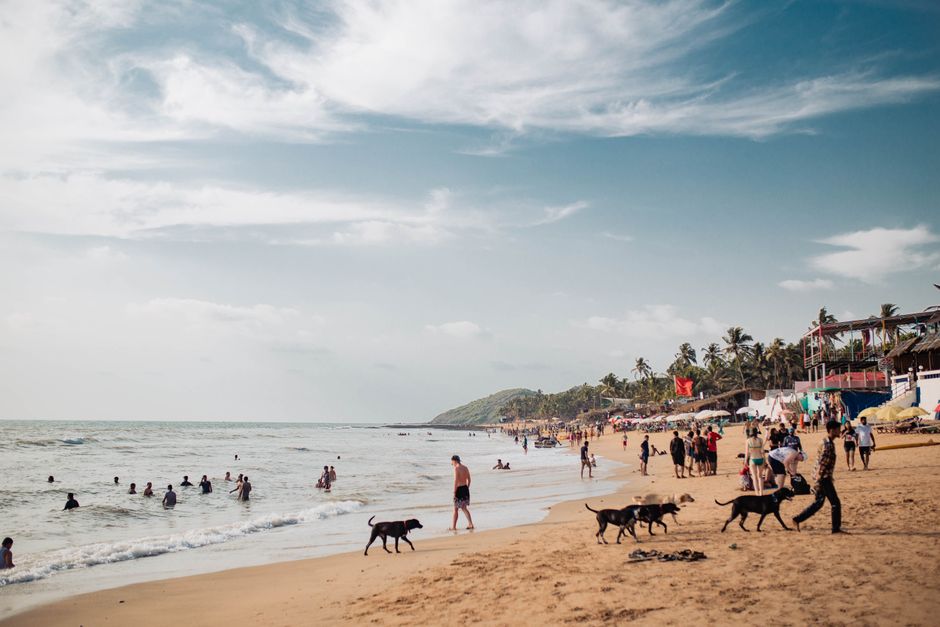
If Baga sounds like nothing but loud music and crowded sand, you have only seen half the story. The beach is busy and Tito's Lane is famous across India, but walk north toward Anjuna and Vagator and the same coast turns calmer, with red cliffs, palm shade and flea markets. Many students use Baga as a base and explore outward on foot and by scooter. You get the social buzz when you want it and quiet corners when you need rest.
Getting there: if you are coming from Mumbai, Pune or Kerala, take a train on the Konkan Railway to Thivim (THVM), the main North Goa stop near Mapusa. From Thivim, a bus to Mapusa and then a local bus to Calangute and Baga costs roughly ₹20–₹30 a ride. By air you land at Dabolim in the south or Mopa in the north, then take a bus or shared taxi via Panaji or Mapusa. Sleeper-class tickets often cost roughly ₹400–₹800, so rail is the cheapest student choice.
What it costs: plan roughly ₹1,200–₹2,000 a day if you share rooms and eat at shacks. A dorm bed or basic guesthouse room behind Baga Road costs roughly ₹600–₹1,000 a night, while beachfront places cost far more in peak weeks. A shack meal of rice and curry, noodles or grilled fish costs roughly ₹200–₹400, and a beer ₹100–₹200. Scooter rental runs roughly ₹400–₹600 a day plus petrol, so split it with a friend.
When to go: November to March brings blue skies, calm seas and full shack life, with December and January the busiest weeks. October and April are shoulder months, with thinner crowds, lower rates and most shacks still open. May to September is the off-season, first hot and then very wet, and licensed shacks must come down by 31 May. If beach days matter, keep this trip for the dry months: the monsoon means green fields but no swimming and no water sports.
Stay safe: swim only where lifeguards allow and respect red flags, because North Goa surf can pull hard even when it looks calm. If you rent a scooter, always wear a helmet, carry your licence and never ride after drinking; checks are common on Baga roads. Agree water-sports prices before you start: parasailing often costs roughly ₹1,000–₹1,500 and jet-ski rides ₹500–₹1,000. Keep cash and your phone in a dry pouch on the sand.
Your three-day sketch starts with a slow first evening. Drop your bag at a guesthouse in the lanes and walk to Baga beach for a swim and a sunset walk toward Calangute. Have a simple shack dinner, then take one look at Tito's Lane without any pressure to spend. Many clubs offer free entry on weekdays with a minimum spend, so you can enjoy the music over one or two drinks. Sleep early, because the next day is for moving around.
On day two, head north to Anjuna and Vagator for a different mood. Take a bus or scooter to Anjuna, walk the rocky shore and, if it is a Wednesday, catch the flea market. Continue to Vagator for the cliff viewpoint, then to Chapora Fort for sunset over river and sea. Eat at a small café behind the main strip, where pasta or a thali costs much less than on the cliff edge. Return to Baga by bus or shared auto.
On day three, choose rest or play. Try parasailing or a banana-boat ride early, when the sea is calmer. Or walk to Baga Creek at the north end, where fishing boats rest and the crowds fade; kayaking there is gentle and good for beginners. Take the afternoon bus back to Mapusa or Thivim. Two full days give you a good taste, and three let you add Anjuna without rushing.
Sleep and eat smart and Baga suddenly feels cheap. The lanes behind Baga Road have family guesthouses with clean rooms and Wi-Fi for far less than sea-facing places. Breakfast at a juice centre or bakery on omelette, bread and fruit. Have lunch at the shacks at the south end, where competition keeps thalis and fried rice affordable. Carry a refill bottle, because beach days dehydrate you fast. In late December, book beds ahead, because prices can double.
Water sports and nightlife need a clear head. Book rides only from official counters on the sand, and check the life jackets before you pay. Never leave valuables unattended while you ride. At night, stick with friends, keep your phone charged and agree on a meeting point, because Tito's Lane gets crowded. Ask at your hostel what is free that night and what has a weekend cover charge of roughly ₹500–₹1,000. You never need expensive packages from touts.
For foreign readers: Goa is relaxed, but it is still India, so change out of swimwear away from the sand and cover shoulders and knees at nearby churches and temples. Ask before photographing fishers, families and market sellers. Bargain politely with a smile, and stick to a price once it is agreed. Keep passport and visa copies on your phone and the originals locked at your stay. Most visitors use an Indian e-Visa, applied for online before travel, plus proof of onward travel.
You need no permit for Baga, and ATMs are easy to find near the main junction and Tito's Lane. Phone signal is strong and most cafés share Wi-Fi with a meal. Solo travel is very common here, and the beach stays lively until late in the season. For more on stays, shacks and creek walks, see the linked Baga destination guide for maps and updated fares.