
Berlin: A History Walk Through the 20th Century
Youth Travel India ·
Berlin on a student budget: a twentieth century walk from Brandenburg Gate to East Side Gallery and memorials.
Berlin is a city that explains itself as you walk. Tram lines cross old borders and a quiet courtyard can hold more history than a palace elsewhere. For students of the twentieth century there is no better classroom. You can trace empire, war, division and reunion in a few days on foot and by U Bahn. Much of the most important history here is free.
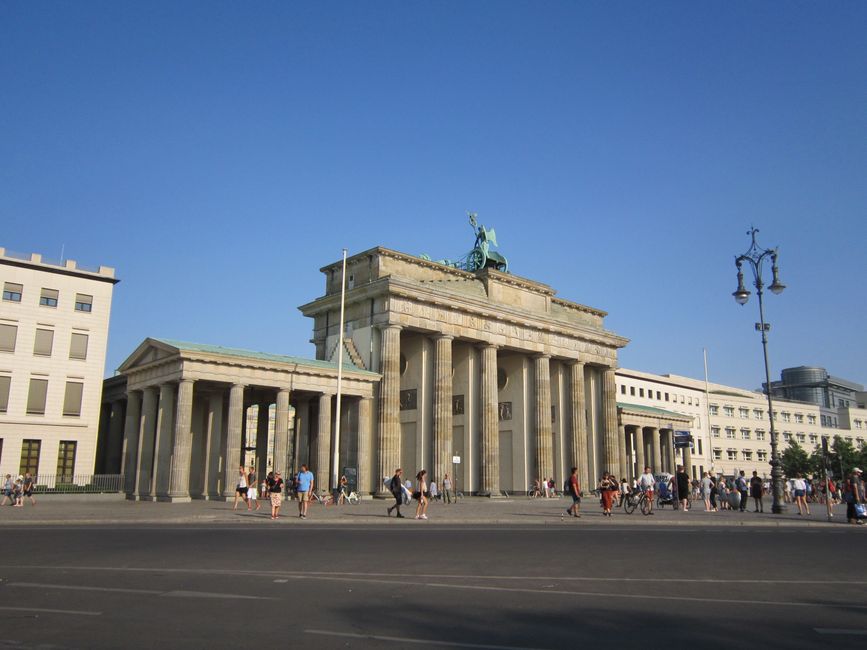
A little orientation helps. Start at Brandenburg Gate, once a symbol of division and now of unity, then walk to the Reichstag with its glass dome, the Holocaust Memorial field of stelae, and the Topography of Terror centre on the former Gestapo grounds. Museum Island holds world-class collections, while the Berlin Wall Memorial on Bernauer Strasse preserves the death strip. East Side Gallery keeps about 1.3 km of painted wall along the Spree.
Getting there: fly Delhi to Berlin Brandenburg airport, code BER, often via the Gulf or Europe, with return fares often roughly ₹45,000 to ₹75,000 in shoulder season, so check current prices. From BER take the FEX airport express or S9 to Berlin Hauptbahnhof central station in about 30 to 45 minutes for roughly 4 to 5 euro. In the city buy a day pass for zones AB for roughly 9 to 10 euro, which covers U Bahn, S Bahn, trams and buses. Validate before you ride.
What it costs: Berlin is fair value for Western Europe if you cook some meals and use day passes. A hostel dorm in Mitte, Kreuzberg or Friedrichshain costs roughly 25 to 45 euro, which is roughly ₹2,300 to ₹4,200 at recent rates. A budget private room is roughly 70 to 120 euro. Doner, currywurst, bakery rolls and supermarket breakfasts cost roughly 5 to 15 euro per meal. Many memorials are free, while Museum Island tickets need online booking. Plan roughly 70 to 110 euro per day, which is roughly ₹6,400 to ₹10,100.
When to go: aim for April to June and September to October when walking days are long and light is kind. May is ideal for outdoor memorials and riverside paths. Summer festivals bring crowds and higher hostel prices, so book early. Winter is cold yet powerful for museums, with markets adding warmth. November 9 marks the Wall fall anniversary with special events. Keep one indoor backup day for documentation centre exhibitions.
Stay safe: Berlin is generally safe but watch for pickpockets at Alexanderplatz and on crowded trains. For visas, Indian passport holders generally need a Germany Schengen short stay visa with biometrics, with fees often around 90 euro plus service charges, which is roughly ₹8,300 plus extras, so check current rules on the official portal well before exams end. Emergency number 112 works across Germany. Keep your train pass and bookings together.
Day one sketch for the central walk. Start at Brandenburg Gate early, then enter the Reichstag dome with a booked slot. Walk to the Holocaust Memorial and spend time in the field and the underground information centre. Continue to Potsdamer Platz and the Topography of Terror for documents that ground the rest of your trip. End at Checkpoint Charlie, then eat in Kreuzberg. This day is heavy, so keep the evening calm.
Day two sketch for the Wall and the East. Begin at the Berlin Wall Memorial on Bernauer Strasse, watching films and walking the preserved strip. Take the tram to East Side Gallery and walk the full painted stretch. Cross to Kreuzberg for lunch and the market if the day fits. Spend the afternoon at the DDR Museum or the Stasi Museum for everyday life under surveillance. Write notes before sleep because details blur fast.
Day three sketch for museums and neighbourhoods. Spend the morning on Museum Island, choosing Pergamon or Neues Museum rather than rushing all five. After lunch walk Unter den Linden to Gendarmenmarkt and the German Historical Museum. In late afternoon explore Prenzlauer Berg for student cafes and bookshops. Students with a fourth day can add Sachsenhausen memorial by S Bahn.
Culture and etiquette are straightforward. Speak softly at memorials, never climb on the Holocaust stelae, and never pose playfully at solemn sites. Validate transit tickets without being asked and give seats to elders. Tipping around 5 to 10 percent for table service is normal. A few German phrases like guten tag, danke and entschuldigung smooth every queue.
For foreign readers: carry your passport and Schengen visa copy for hotel and museum checks, plus an international student card for discounts. Cards work widely but keep some cash for small stalls and toilets. Pharmacies marked by a red A help with minor illness. Save offline transit maps and keep your embassy contact saved. Sit near drivers late at night.
Berlin rewards walkers who read plaques fully and sit with hard questions. You will leave with tired feet and a fuller sense of how memory can shape a city for good. Students who mix free memorials, one great museum per day, and long riverside talks will learn more than any textbook week.