
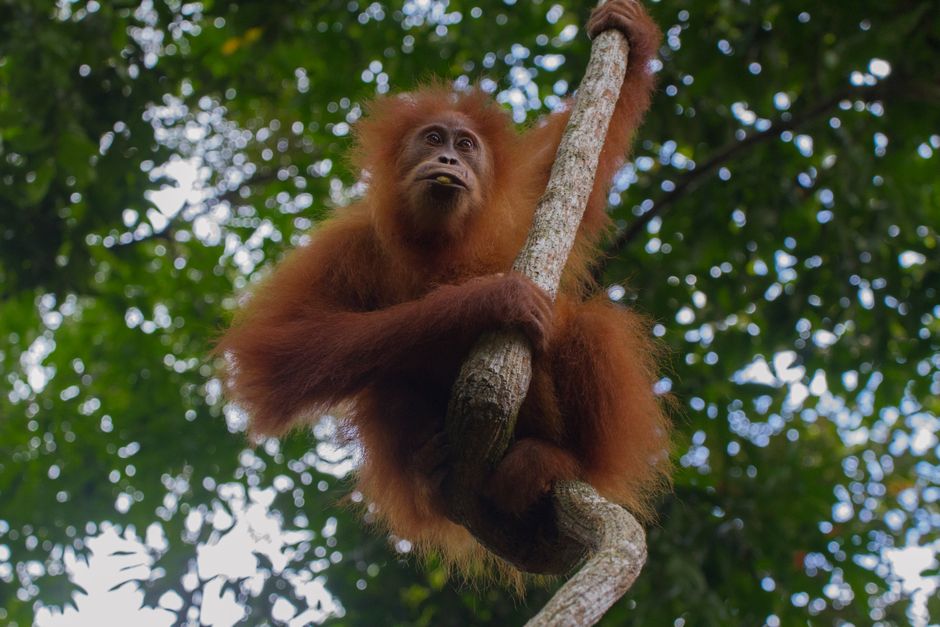
Borneo's Kinabatangan: Orangutans by River Boat
Youth Travel India ·
Kinabatangan on a student budget: river cruises, Sepilok orangutans, verified package prices and Sandakan logistics.
The Kinabatangan River is where Borneo stops being a documentary and starts being your morning. This long brown river curls through Sabah in Malaysian Borneo, fringed with rainforest that holds wild orangutans, proboscis monkeys with their improbable noses, hornbills crossing at dawn, crocodiles on the mud and, with luck, herds of pygmy elephants. You watch it all from a small boat, drifting at dusk while monkeys settle into riverside trees around you. It is one of the most reliable and affordable great wildlife experiences in Asia, and it runs on simple logistics any student can handle.
Getting there: fly to Sandakan on the east Sabah coast, usually via Kota Kinabalu or Kuala Lumpur, with AirAsia and sister carriers keeping regional fares low. Returns from India to Sandakan via Kuala Lumpur often fall near ₹22,000 to ₹40,000 when booked early. Every river package starts and ends in Sandakan with hotel or airport pickup included, and the road plus boat transfer to lodges at Bilit, Sukau or Abai takes about two to two and a half hours. Book a morning flight in and an afternoon flight out on day three, since pickups run to strict windows. Sepilok combination packages may need you landed before half past eight, so read the fine print.
What it costs: packages are refreshingly transparent, with 2026 operator rates running from RM 880 to RM 2,750 per adult all-inclusive from Sandakan (about ₹16,700 to ₹52,300 at roughly ₹19 to the ringgit). The cheapest maximum-river option is the Bilit safari near RM 880 with four cruises and a jungle trek, while the best-value Sepilok combination with orangutans and sun bears plus four cruises runs near RM 1,350. Comfort tiers at established lodges run higher with firefly cruises and ensuite rooms. All rates are per person on twin share with minimum two travellers, cover lodge, meals, transfers, entrance fees and guided cruises, and exclude the RM 10 per room per night tourism tax, drinks and tips. Check current rates in writing, since fuel and fees shift.
When to go: the river runs year-round, so there is no closed season to fear. March to October is generally drier with easier trails and calmer photography light. November to February brings heavier rain, higher water, hungrier leeches and lusher forest, but boats still go out and wildlife still shows. Fruiting seasons shuffle the animals around, with orangutans following the feast, so guides track the trees week by week. Any month works if you pack for rain and book the dawn cruises, when the forest wakes noisily.
Sepilok side trip: the Sepilok Orangutan Rehabilitation Centre near Sandakan is the essential add-on, a famous rescue and release station where orphaned apes learn forest skills. Morning and afternoon feeding sessions give near-certain sightings, though times are revised, so check the current schedule the day before. The neighbouring sun bear centre pairs perfectly in the same visit, with tickets bought at the gates. Go early, stay quiet on the platforms, and let the rangers manage the crowd line.
Stay safe: Indian citizens can enter Malaysia visa-free for up to 30 days under a scheme extended to 31 December 2026, after filing the free Malaysia Digital Arrival Card within 3 days before arrival, so check whether it still runs for later trips. On the river, wear the life jacket, never swim, and keep every limb inside the boat because estuarine crocodiles are real and patient. Leeches are harmless but keen, so tuck trousers into socks on treks. Use strong repellent against dengue mosquitoes, take medical advice on malaria cover, and carry insurance that includes boat transfers and jungle walking.
Travel responsibly with wildlife: never touch, feed, call or crowd any animal, at the sanctuary or on the river, however close the boat drifts. Keep voices low on cruises, switch off flash, and keep a respectful distance from nesting hornbills and riverside troops. Use licensed guides and lodges that employ local crews, since your money then protects the forest directly. Report any operator offering selfies with captive wildlife. The river rewards patience, not pressure, and the best sightings come to the quietest boats.
Sketch for day one: land in Sandakan, drop bags, and spend the day at Sepilok with the orangutans and sun bears before the afternoon transfer upriver. Reach the lodge by late afternoon in time for the dusk cruise, when proboscis monkeys swim across channels and hornbills commute overhead. Eat with the group, join the night walk for sleeping birds and glowing fungi, and sleep to frog chorus. Tell the lodge your dietary needs at booking, since kitchens shop by boat.
Sketch for day two and day three: wake for the dawn cruise in mist, the single best wildlife hour of the trip, then breakfast and a mid-morning jungle trek or the oxbow lake. Rest through the midday heat, take the afternoon cruise to a different tributary, and finish with the firefly cruise where the trees blink in synchrony. Day three repeats the dawn cruise, then boats and buses return you to Sandakan for an afternoon flight. Three days and two nights is the minimum that does the river justice.
Foreign readers: Sabah is a gentle multicultural mix of Malay, Chinese, Kadazan-Dusun and Bajau communities plus expats, and religion is woven through daily life. Remove shoes before mosques, churches and temples, cover shoulders and knees at worship sites, and keep pork and alcohol discreet near Muslim hosts. Terima kasih opens doors, a smile opens more, and giving with the right hand is noticed appreciatively. Bargain kindly in markets, accept fixed prices in malls, and ask before photographing people.
The Kinabatangan gives students something rare, genuinely wild orangutans at a price a part-time job can cover. Book a licensed lodge, sit quietly in the boat, keep your distance, and the river will introduce you to its residents on their own terms.