
Buenos Aires: Tango & Steak on Pesos
Youth Travel India ·
Tango halls, parrillas and peso-smart spending: a student guide to Buenos Aires on a budget.
Buenos Aires seduces on a student budget because its greatest pleasures are cheap or free: milonga rehearsals in old dance halls, steak in corner parrillas, and evening promenades down avenues built for strolling. The city calls itself the Paris of South America, but its soul is pure porteño, a mix of Italian swagger, tango melancholy, and cafe arguments past midnight. With sensible planning, you can live its passions for far less than a week in Europe.
Getting there: most students land at Ministro Pistarini Airport in Ezeiza, code EZE, about 35 km out, and the Manuel Tienda Leon coach to the centre costs a fraction of a taxi, so check current fares. Regional hops use Aeroparque Jorge Newbery, code AEP, by the river. From Retiro terminal, long-distance coaches cross Argentina in cama comfort that beats flying. Inside the city, the Subte runs six lines, A through E plus H, with the Premetro tram, according to the city government, and a rechargeable SUBE card unlocks subte, buses, and trains. Load one at kiosks on arrival, since drivers take cards only.
What it costs: think in dollars as well as pesos, since inflation reprices menus constantly, and a student day runs roughly ₹3,000 to ₹4,500, about US$35 to US$55, with the usual warning to check current rates. Hostel dorms in San Telmo or Palermo cost roughly US$10 to US$18, while a budget private doubles that. A parrilla lunch runs roughly US$8 to US$15, empanadas a dollar or two each, and a cortado rarely passes US$2. A milonga practice night often costs under US$5, while dinner-show spectaculars pass US$80, so choose rehearsals instead.
Sleep in San Telmo for tango history, Palermo Soho for bars and hostels, or San Nicolas for transport links. Hostels here are lively, with terrace asados and staff who map colectivo routes over mate. Eat like a local: fugazzeta pizza on Corrientes, choripan before football, and helado that rivals Italy. The city tourism board spotlights food, tango, and football, so treat all three as curriculum. Sunday means the San Telmo street fair, free to browse.
When to go: October and November plus March and April bring mild days made for walking, with jacarandas blooming in spring. Summer runs hot and humid from December to February, when porteños flee to the coast, so avoid those months if dates flex. Winter is mild with crisp nights, and August hosts the official Tango Festival and World Cup on the city calendar, thrilling but busy. Shoulder seasons balance weather with normal hostel prices.
Stay safe: Indian passport holders need an Argentine tourist visa through the embassy, with fees varying by post, while holders of valid United States B1 or B2 visas can use the electronic AVE authorisation instead. Buenos Aires is safe by regional standards, though pickpockets work the Subte and La Boca crowds, so wear packs front-facing. Use ride apps at night and keep small change separate. Save 911 for emergencies. Women find Palermo and Recoleta comfortable late, with busy avenues and late cafes.
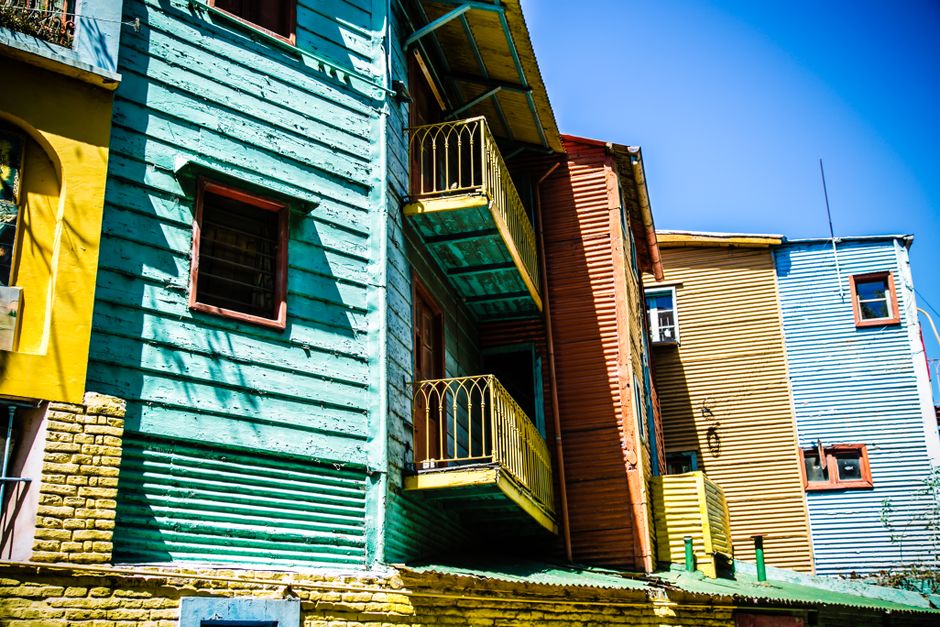
Day one walks the classic spine. Start at Plaza de Mayo with the Casa Rosada, continue to Cafe Tortoni for a submarino hot chocolate, then ride vintage Line A, the oldest subte in the southern hemisphere. Afternoon belongs to La Boca, where Caminito glows with painted conventillos, though go by day and keep to tourist streets. Evening means San Telmo, with colonial patios and a first milonga class where beginners stumble happily.
Day two lives Palermo and Recoleta. Morning in the Bosques parks and MALBA museum, lunch at a bodegon with milanesa napolitana, then Recoleta Cemetery where Evita rests among marble angels. The Teatro Colon runs guided tours for a fraction of opera prices, so book ahead. At night, join a free tango rehearsal before a proper milonga, where cabeceo invitations and tanda sets humble every newcomer.
Day three tastes deeper. Take Line B to Abasto, cradle of tango legend Gardel, for its museum and market halls. Cross to Puerto Madero for the Puente de la Mujer and the Ecological Reserve, a marshy wedge with free trails. Football fans should tour La Bombonera or El Monumental on non-match days. End with a parrilla feast in Las Canitas, splitting provoleta, vacio, and Malbec three ways.
Money craft decides whether the city feels cheap or cruel. Argentina runs on pesos, code ARS, with parallel rates that diverge wildly, so research official and blue rates before carrying cash. Bring crisp US dollars for reputable exchanges, since foreign cards bill worse, and confirm which rate a price assumes. Tipping runs about 10 percent in restaurants. Never change money with Florida street touts flashing calculators.
For readers outside India: porteños greet with a cheek kiss, dinner rarely starts before nine, and milongas peak after midnight, so nap like a local. Mate circles are sacred, so never touch the straw and return the gourd to the server. Carry a passport copy, lock the original up, and check your visa path early, since AVE eligibility differs sharply by nationality.
Buenos Aires rewards night owls with stamina. Three full days, roughly US$45 a day, and a loaded SUBE card will carry you from Caminito colour to milonga sweat. Recheck fares, rates, and visa rules before departure, since Argentina changes fast.