
Cairo & Giza: Pyramids, Chaos & Wonder
Youth Travel India ·
Giza pyramids and Cairo chaos with metro fares, tickets and daily costs in pounds and INR.
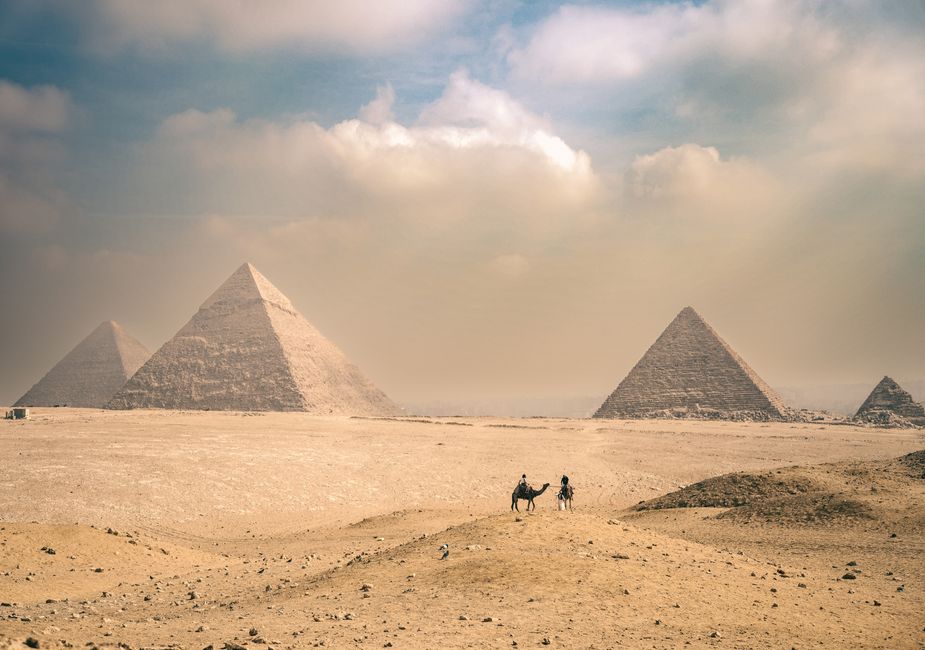
Cairo is loud, kind and layered, all minarets, traffic and bread ovens, with the last of the ancient wonders on its edge. UNESCO lists Memphis and its necropolis, from Giza to Dahshur, as the Old Kingdom capital with its tombs, temples and pyramids. More than 38 pyramids stand in these fields: the three at Giza, led by the Great Pyramid of Khufu, the only one of the Seven Wonders still standing, plus Djoser's step pyramid at Saqqara, Dahshur and the Sphinx. A dawn start at Giza beats any rushed tour.
Getting there: fly from Delhi or Mumbai to Cairo, with one stop in the Gulf or Istanbul. Return fares are often ₹45,000 to ₹70,000 booked two to three months early. A ride-hailing car downtown costs roughly EGP 200 to 400 (₹350 to ₹700); ignore the touts with limos at double the price. The metro's three lines link Tahrir, Ramses and Heliopolis for EGP 8 to 20 a ride. For the Giza plateau, take the metro to Giza station, then a microbus or app taxi. Trains from Ramses station run to Alexandria, Luxor and Aswan. Stay downtown, near Tahrir, or in Dokki.
What it costs: Giza plateau entry for foreigners runs roughly EGP 700 to 1,500 (₹1,250 to ₹2,600), with extra tickets for the inside of the Great Pyramid and the solar boat. Downtown dorms cost EGP 300 to 600 (₹525 to ₹1,050), and doubles EGP 800 to 1,500. Kushari costs EGP 40 to 80, sandwiches EGP 20 to 40 and chicken meals EGP 120 to 220. A student day often comes to EGP 900 to 1,700 (₹1,600 to ₹3,000). Prices rise often, so check the official Egymonuments site.
Stay safe: Indians can apply for an Egyptian e-Visa online, US$25 for single entry, or a visa on arrival if they hold a valid US, UK or Schengen visa; check the rules before you fly. Agree the route, time and total price for any camel or horse ride before you mount, and pay afterwards in small notes. Book timed slots for pyramid interiors early, and carry your passport. The emergency numbers are 122 for police, 123 for ambulance and 126 for the tourist police.
When to go: October, November and February to April bring mild days of 20 to 28 degrees and clear light. December and January bring cool nights of 8 to 12 degrees and calmer museums. Avoid June to August, at 35 to 40 degrees, and the dusty spring khamsin winds. During Ramadan, lunch is harder to find but the bazaars come alive at night. Reach Giza at the 8 am opening, spend noon to four in museums, and carry a scarf, a hat and two litres of water.
Day one, Giza: enter at opening for the panorama of all three pyramids with the Sphinx below. Visit the Valley Temple, then go inside the Great Pyramid only if you can handle low, steep passages. Eat kushari and juice nearby, then spend the afternoon at the Grand Egyptian Museum, with its colossal statues and Tutankhamun galleries. For sunset, a licensed 30-minute camel ride to the viewpoint costs roughly EGP 300 to 600, agreed in writing.
Day two, museums and bazaar: see the Egyptian Museum on Tahrir Square, or the royal mummies at the National Museum of Egyptian Civilization. Eat fatta or molokhia for lunch in Abdeen. In the afternoon, explore Khan el-Khalili and the Al-Azhar area for lamps, papyrus and spices, opening your haggling at half to two thirds of the first quote. Watch the sunset from Al-Azhar Park, then share an hour on a felucca on the Nile, life jackets on.
Day three, the older sites: an app taxi takes you to Saqqara, for Djoser's step pyramid, the Imhotep Museum and the mastaba tombs, then to Dahshur, for the quiet Bent and Red pyramids. Back in the city, visit Coptic Cairo, with the Hanging Church, the Ben Ezra Synagogue and the Mosque of Amr ibn al-As, in modest dress. End with a rooftop or Nile-side farewell dinner, or board the night train to Luxor.
Saving money: an ISIC card cuts some ticket prices, so carry it with your passport. Visiting Giza in the morning and museums at midday saves both sunburn and water. Downtown hostels with breakfast and kitchens save EGP 150 to 300 a day, and street kushari beats any buffet. Shared app taxis between three or four people beat tout cars, and the metro covers the long distances cheaply.
For foreign readers: dress modestly, with knees and shoulders covered, and keep your voice down in mosques, where you remove your shoes. Eat with your right hand, greet people with "salaam" and ask before photographing anyone in the markets. Carry your passport, visa, tickets, insurance and hostel address. If you are not Indian, check your own visa fees and any travel limits in Sinai. Haggle kindly, accept the tea, and walk away politely if a price triples.
You can love Cairo and Giza on a budget with early starts, shared rides and respect for faith. Mix one wonder or museum a day with bazaars and Nile parks, and check monument, metro and visa details on official pages before paying. Mornings are for the desert, middays for museums and evenings for bazaars. With timed tickets, shared kushari and plenty of water, you will face the last wonder thrilled.