
Walking the Camino Frances: A First Pilgrim's Guide
Youth Travel India ·
First Camino Frances with albergues credencial costs seasons visas and a gentle three day start plan.
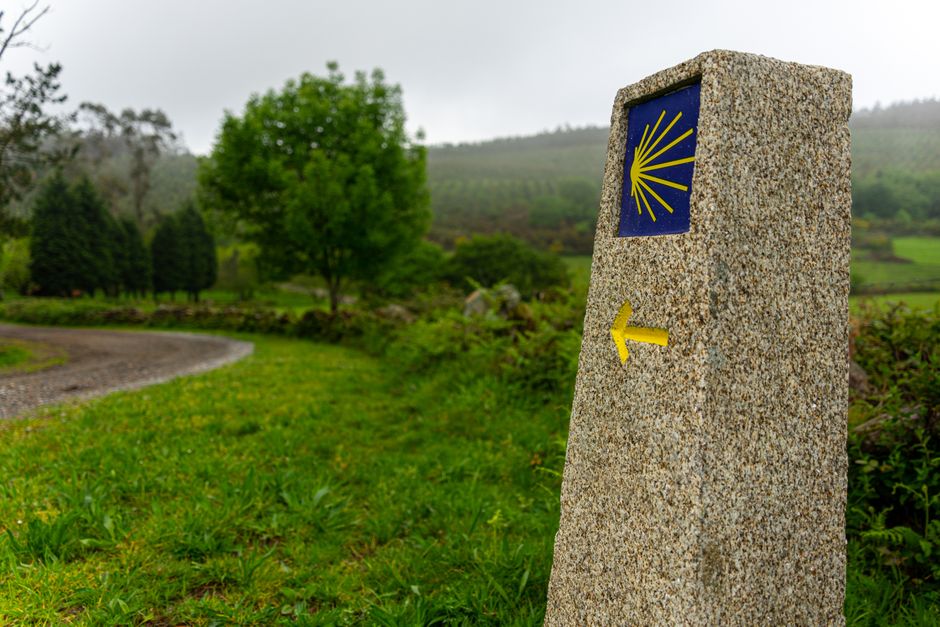
The Camino Francés is less a hike than a moving village. Each day starts with boots on stone and ends with shared soup and a credential full of stamps. The whole route runs about 800 kilometres from the French border to Santiago de Compostela, but most students start with a section and still taste the magic: yellow arrows, eucalyptus shade, church bells and the kindness of strangers who become your trail family.
Getting there: fly from India to Madrid, Bilbao or Paris, then head for Saint-Jean-Pied-de-Port, the classic start in France. From Bilbao, a bus to Bayonne and a small mountain train to Saint-Jean cost roughly €20 to €35 (about ₹1,800 to ₹3,200). From Madrid, take a train to Pamplona, then a bus or taxi to Roncesvalles to start on the Spanish side. Return fares from India often run ₹50,000 to ₹80,000 booked early, and a buffer day for jet lag before the Pyrenees is wise.
What it costs: plan roughly ₹3,500 to ₹5,500 a day if you sleep in albergues and cook often. A bunk in a municipal albergue costs roughly €10 to €15 (about ₹900 to ₹1,400), and in a private one €15 to €22. A pilgrim-menu dinner costs €12 to €16 (about ₹1,100 to ₹1,500), and a bakery breakfast €4 to €7. The credencial, your pilgrim passport, costs €2 to €3 at churches and pilgrim associations. Keep some cash, because many villages prefer it.
When to go: May to June and September to early October bring mild walking, open albergues and green fields. Spring has flowers and full streams; autumn has harvest colours and quieter dorms. July and August bring heat on the Meseta and crowded bunks on the last 100 kilometres. Avoid deep winter as a first-timer: snow can close the Napoleon route over the Pyrenees, and many albergues shut from November to March.
Stay safe: walk at your own pace, tape hot spots early and drink often, because blisters end more caminos than fitness does. Keep your pack near 10 percent of your body weight, and use poles on the steep descents into Zubiri and Molinaseca. Keep valuables close in dorms. Indian students usually need a Schengen short-stay visa, applied for through Spain or France; the fee is €90 plus service charges. You will also need travel insurance, proof of funds and onward tickets.
Your three-day sketch covers the classic Pyrenees start, so you feel the camino truthfully. Day one climbs from Saint-Jean to Roncesvalles over the pass, about 25 kilometres with fast-changing weather. Start before dawn with a headlamp and layers, and refill water at Orisson. Sleep in the big Roncesvalles albergue and join the evening pilgrim blessing if you wish.
Day two walks from Roncesvalles to Zubiri, about 22 kilometres of gentle descent through beech forest and small villages. Cross the medieval bridge into Zubiri, ice any sore shins, eat an early pilgrim meal and hang out your laundry. Day three walks about 20 kilometres to Pamplona, with city buzz at the end: pintxos in the old town and a rest day if you need one. Three days teach you pack rhythm and foot care without committing five weeks.
Sleep and eat smart and the camino stays cheap and rich. Choose municipal albergues for the lowest prices and private ones now and then for rest and hot showers. Cook in albergue kitchens with market pasta and lentils, and share meals with new friends. Carry a refill bottle; fountains marked "potable" are frequent. Wash socks daily and respect dorm quiet hours from ten at night. Book nothing ahead except the first night, because flexibility is the gift.
The Compostela certificate ties the effort to its meaning. The Pilgrim Office in Santiago issues it to those who walk or ride at least the last 100 kilometres, or cycle at least the last 200, with a stamped credencial and for religious or spiritual reasons. That is why many students walk from Sarria to Santiago, about five days. The office opens daily except 25 December and 1 January, so plan your arrival and check the current queue guidance.
The full Francés usually takes about five weeks at a steady pace, with rest days in Burgos and León. You need not finish it in one go: sections done in order with stamps all count. If time is short, walk Burgos to León for the silence of the Meseta, or Sarria to Santiago for the Compostela. Every section has good waymarks, frequent water and beds in season.
For foreign readers: albergues are shared rest, so keep packs on the floor, lights low and phones silent, and shower quickly. Greet fellow walkers with "buen camino", and respect church silence and evening prayers even if you only observe. Cover your shoulders in cathedrals. Keep passport and visa copies on your phone, with the originals in a dry pouch. Many Europeans walk visa-free, while Indian students should confirm the current Schengen rules. Walk gently and the camino walks with you.