
Costa Rica's Pacific: Surf Towns on a Budget
Youth Travel India ·
Surf hostels, sunset beaches and national parks on Costa Rica Pacific with buses and daily costs.
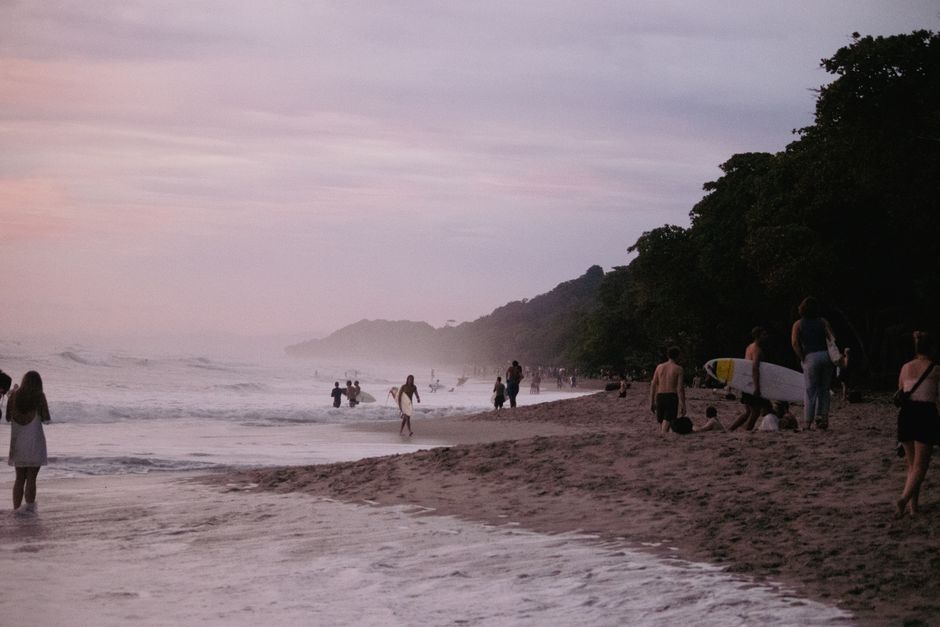
Costa Rica Pacific coast is built for pura vida on a student budget if you pick surf towns over resorts. The tourism board highlights Central Pacific and Guanacaste regions for beaches, hiking, cycling and sport fishing, with easy bases like Jaco, Santa Teresa, Tamarindo and Manuel Antonio. You get warm water, sunset beaches, monkeys in roadside trees and national parks with sloths and scarlet macaws. Three days in one or two towns beat rushing the whole coast.
Getting there: fly into San Jose Juan Santamaria Airport from India via Europe or the United States, often for roughly ₹65,000 to 95,000 return, then take domestic buses west to the Pacific for roughly CRC 4000 to 8000, roughly ₹650 to 1,300, taking three to five hours depending on town. Check current Tracopa and public bus schedules before planning. Rental cars are unnecessary for a short student trip and add insurance costs.
What it costs: plan roughly ₹5,500 to 9,000 per day on a careful student budget, roughly CRC 34000 to 56000 or USD 65 to 105. A hostel dorm bed in Jaco or Tamarindo often costs roughly USD 15 to 30, roughly ₹1,250 to 2,500, while a budget hotel double split can be higher. Manuel Antonio National Park entry is a key cost to check at official SINAC counters, often around USD 18 for foreign adults. Always check current park and tour prices.
When to go: the Pacific dry season from December to April brings sunny beach days and calmer roads. Green season from May to November brings afternoon rain, lush parks and lower hostel rates, but some unpaved roads get muddy and surf grows bigger. The tourism board notes regional variety, with Guanacaste drier and South Pacific wetter. Mornings are best for surf lessons and park walks before heat and rain build. Carry a light rain shell even in dry months.
Stay safe: swim only at lifeguarded sections in Jaco and Manuel Antonio because Pacific rips are strong and drownings happen yearly. For visas, Indian nationals generally need a Costa Rica consular visa in advance unless holding valid multiple entry visas or residence from certain countries that allow exemption, with fees usually around USD 30 to 60 plus charges, roughly ₹2,500 to 5,000, check current consulate pages before applying because rules change. Carry return tickets, hotel proof and yellow fever certificate if required by route.
Your first day can settle in Jaco or Manuel Antonio. Walk the beach at low tide, arrange a next morning surf lesson and compare two schools for group size and board included. Visit the town soda diners for casado lunch rather than beachfront grills. In the afternoon explore the headland viewpoints and watch scarlet macaws fly to roost. End with sunset on the sand and an early night before surf day. Keep cash small for buses and fruit stalls.
Your second day can be surf plus park edges. Take a morning group lesson at a gentle beach break where instructors stay in the water with you. Rest through midday heat, then visit Manuel Antonio park edges or the free public beach outside the reserve if you want to save entry for a full morning. Eat at a soda one street back from the beach for half the price. Confirm onward bus times for the next day.
Your third day can be park morning plus sunset town. Enter Manuel Antonio National Park at opening with water, swimwear and patience for wildlife spotting. Trails are short and well marked with beaches inside for swimming. Guides at the entrance offer shared walks that improve sightings. Return to town for laundry, souvenir shopping and a final surf hour on a rented board if conditions are calm. Alternatively take a sunset catamaran only if budget allows, otherwise enjoy the free sunset show with coconut water.
Saving money on the Pacific is about sodas and buses. Eat two meals at sodas, shop at Pali or Maxi Pali supermarkets, refill water and take public buses between towns. Choose one paid surf lesson plus free practice rather than daily lessons. Many hostels include breakfast and boards for rent cheaper than beach stalls. Avoid beachfront touts and compare tour prices at two counters. Travel midweek for lower dorm rates.
Foreign readers and culture notes: Costa Rica is friendly and eco conscious. Greet with pura vida, respect park rules by not feeding animals and carrying out trash, dress modestly in towns and churches, and ask before photographing people. Tipping around ten percent is customary in restaurants. Spanish helps a lot though surf towns speak English. Keep passport copies, park tickets and emergency numbers offline. Respect quiet hours since many hostels host early surf risers.
Packing and practical tips ease tropical days. Bring reef friendly sunscreen, a rash guard, water shoes for rocky entries, mosquito repellent, a dry bag and a rain shell. Power plugs are types A and B. Local SIM or eSIM data helps with bus times and maps. ATMs in surf towns are reliable but charge fees, so withdraw fewer times. Buses do not always have luggage space, so pack light.
Food is simple and filling. Try gallo pinto breakfast, casado lunch, ceviche, patacones fried plantains and fresh pipa coconut water. Vegetarians eat well on rice, beans and veggie casados. Fruit stands sell mangoes, pineapples and papayas cheaply in season. A supermarket breakfast plus soda lunch can fuel a full beach day for little. Drink treated water.
You leave the Pacific with sunset photos, board rash and pura vida in your greeting. With sodas, buses and one good surf lesson you get the classic without resort spending. Check current bus, park and visa fees before you go, respect ocean flags and wildlife rules, and let the coast keep a slow pace.