
Fes: Getting Lost in the World's Oldest Medina
Youth Travel India ·
Tanneries, medersas and 9,000 alleys: how to do the Fes medina on a student budget without getting fleeced.
Fes does not reveal itself, it absorbs you: donkeys clip-clopping through arches, dyers slapping indigo wool, cedar and cumin folding over every corner. The medina of Fes el Bali holds some 9,000 alleys inside medieval walls, and UNESCO calls it one of the most extensive historic towns of the Arab-Muslim world. Founded in the ninth century and glorious under the thirteenth-century Marinids, it stayed Morocco cultural heart long after the capital moved to Rabat in 1912. Getting gloriously lost here costs nothing, which makes it perfect student territory.
Getting there: most students land at Fes Sais Airport, code FEZ, and the shuttle bus to the centre costs roughly MAD 20 to MAD 30, while kerbside taxis charge several times more, so walk to the rank and insist on the meter. Rail travellers arrive at Fes Ville station on comfortable ONCF trains, with Casablanca roughly four hours away and Meknes under one, so check timetables and second-class fares. From the station, petit taxis to the Blue Gate cost roughly MAD 15 to MAD 30. Long-distance buses also link Marrakech in about eight hours for roughly MAD 150 to MAD 220.
What it costs: a student day runs roughly ₹2,200 to ₹3,500, about MAD 250 to MAD 400, with the usual warning to check the current rate. Riad dorms inside the medina cost roughly MAD 80 to MAD 160, often with roof-terrace breakfast, while a simple private runs roughly MAD 200 to MAD 350. Harira soup costs under MAD 10, brochettes roughly MAD 20 to MAD 40, and a full tagine with bread and salad roughly MAD 40 to MAD 80. Petit taxi hops run MAD 10 to MAD 30, medersa entries roughly MAD 20 each, and tannery terraces are free if you decline the hard sell.
Sleep inside Fes el Bali near the Blue Gate or Talaa Kebira and the medina becomes your evening playground. Riads stack rooms around mosaic courtyards, and good hostels organise medina walks and desert-tour hookups to Merzouga. Eat at grill streets where smoke signals dinner, try bissara soup for breakfast, and drink avocado-almond juice from corner stands. The souks divide by craft, so dyers, brass, and henna streets each reward slow browsing. Bargaining is expected in souks but not in fixed-price cooperatives.
When to go: March to May and September to November bring warm days and cool nights. Summer turns brutal, pushing past 40 degrees and emptying alleys by afternoon, so avoid July and August unless dates are fixed. Winter days stay mild but nights bite, and unheated riads feel chilly, so pack layers from December to February. Ramadan shifts rhythms beautifully with lantern-lit iftar markets, though some eateries close by day.
Stay safe: Indian passport holders apply for a Moroccan e-visa through the official Acces Maroc portal, which screens by nationality and passport type, so check current fees of roughly US$30 to US$80 and apply well ahead. The medina is safe but disorienting, and faux guides who attach to lost tourists expect payment, so hire official guides through your riad or walk with offline maps. Agree taxi fares before night rides and store valuables in hostel lockers. Women should dress modestly past tourist lanes, and a firm la shukran deflects most hassle.
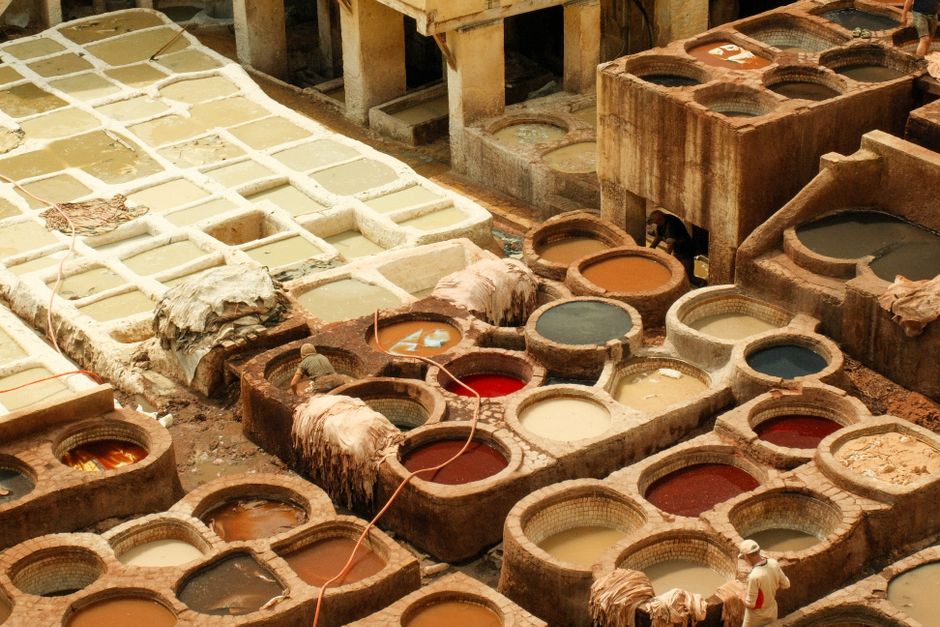
Day one dives into Fes el Bali. Enter through the Blue Gate, climb Talaa Kebira past fondouks, and reach the Chouara tannery terraces where hides soak in dye vats as they did centuries ago. Accept the mint sprig, photograph from the balcony, and browse without obligation. Lunch near the dyers souk, then visit the Bou Inania and Al Attarine medersas, whose tiled courtyards glow in afternoon light. End on a riad roof as the call to prayer rolls over the valley.
Day two crosses to Fes el Jdid and the artisans. The Royal Palace gates gleam but stay closed, while the mellah quarter tells quieter histories. The Dar Batha and Nejjarine museums cost little and explain every craft seen yesterday. Afternoon means the Kairaouine quarter from outside, since non-Muslims cannot enter the mosque holding the oldest university in the world, according to UNESCO, then a hammam scrub that erases days of dust. Dinner in the Ville Nouvelle brings French-Moroccan cafes at slightly higher prices.
Day three escapes outward. Meknes and the Roman ruins of Volubilis make a classic trip by train and grand taxi for roughly MAD 100 to MAD 200 all in. Alternatively, climb to the Merenid tombs for sunset panoramas, then descend through the pottery quarter where kilns fire city blue. Save craft purchases for fixed-price stores after comparing souk prices. Last night, splurge on a rooftop pastilla, that sweet-savoury pie dusted with cinnamon.
Money craft keeps Fes honest. Morocco runs on dirhams, code MAD, a closed currency bought on arrival, and cash rules the medina, so withdraw from bank ATMs in the Ville Nouvelle where fees are lower. Cards work in malls and upscale riads but rarely in souks or taxis. Haggle at roughly a third below opener, walk away smiling, and accept mint tea as theatre. Tipping runs a few dirhams for porters and 10 percent in restaurants.
For readers outside India: Fes runs on faith and craft, so dress modestly around shrines, remove shoes where others do, and never photograph worshippers mid-prayer. Friday midday quiets whole quarters, so plan museum hours around it. Haggling is social, not hostile, and shwiya bshwiya, slowly slowly, wins better prices than steel. Carry a passport copy for riad registrations, lock the original up, and confirm your visa path early.
Fes rewards the deliberately lost. Three full days, roughly MAD 300 a day, and a willingness to follow dye smells downhill will teach you more than any guidebook. Recheck train fares, e-visa rules, and riad prices before departure, since all three shift.