
Ha Long Bay Without the Splurge: Vietnam's Budget Cruise Guide
Youth Travel India ·
Ha Long Bay on a budget with buses day cruises kayaks and clear visa and money tips.
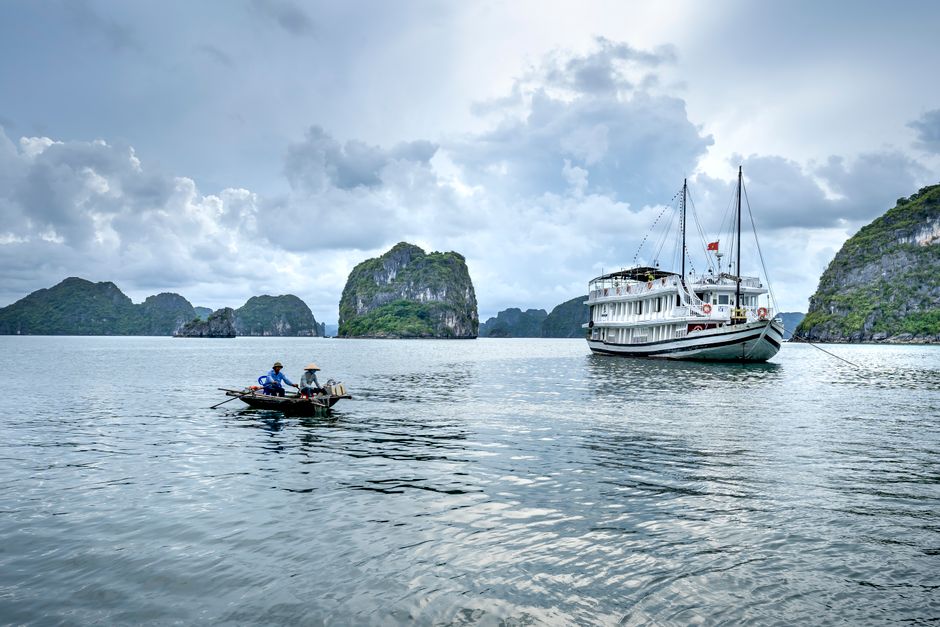
Ha Long Bay looks expensive on postcards, with tall limestone towers and white cruise ships, but students can see it cheaply. Day cruises and two-star overnight boats sail the same water as the luxury ships, and kayaks slip into lagoons that big hulls cannot reach. Hanoi makes a perfect base, with buses leaving almost hourly. With a little planning you get caves, swims and sunset on deck without paying suite prices.
Visa note: Indian passport holders need a Vietnam e-Visa, applied for before travel on the official portal, evisa.gov.vn. It allows stays of up to 90 days, single or multiple entry. The state fee is US$25 for single entry (roughly ₹2,100) and US$50 for multiple entry (roughly ₹4,200), non-refundable even if refused. Approval often takes three to seven working days, so apply at least two weeks ahead, and carry a printout, a passport valid for six months, your hotel address and a return ticket.
Getting there: stay in Hanoi's Old Quarter, then take a bus to Ha Long city or Tuan Chau pier. Public buses cost roughly VND 150,000–250,000 (about ₹550–₹900) for three and a half to four and a half hours. Limousine vans with hotel pickup cost VND 200,000–350,000 (about ₹700–₹1,300) for two and a half to three hours and suit cruise timings best. Private cars cost roughly US$70–120 one way and suit groups. Book a bus that arrives at least an hour before sailing.
What it costs: plan roughly ₹2,500–₹4,000 per cruise day, all in, from Hanoi. A Hanoi hostel dorm costs VND 150,000–300,000 (about ₹550–₹1,100) a night. A full-day cruise with lunch, kayaking and cave entry costs roughly ₹2,800–₹4,500 depending on the boat. A basic one-night cruise with meals costs roughly ₹6,000–₹9,000 while luxury ships cost far more. Street pho and banh mi in Hanoi cost VND 40,000–80,000 (about ₹150–₹300).
When to go: October to December brings cool, clear skies and dramatic light on the karsts. March to May brings warmer days and good swimming, with more haze. June to September is typhoon season, with sudden cancellations and rough water, so buy flexible tickets and check forecasts daily. January and February can be cold and misty, moody in photos but chilly on deck. If your summer dates are fixed, pick a larger steel-hulled boat that handles chop better.
Stay safe: book with operators that give clear safety briefings and keep life jackets in cabins and on kayaks; a tourist boat capsized in a sudden storm here in July 2025, so take weather warnings seriously. Swim only in marked zones, because tour boats pass close. Keep valuables in the cabin safe during kayak sessions, wear grippy shoes on wet cave steps, and carry motion-sickness tablets if you need them. Keep passport copies on your phone and the originals in your Hanoi hotel or the boat safe.
Your three-day sketch starts in Hanoi. Settle near Hoan Kiem Lake with street food and an early night. Next morning, take a limousine van around seven or eight to reach the pier by eleven. Choose a day cruise that includes Sung Sot Cave, kayaking at Luon Cave and Ti Top island for a swim and viewpoint. Return to Hanoi by evening for soup at the night market. This one-day option suits tight budgets and exam-break trips.
With another night, take the budget overnight cruise. Day one sails past Fighting Cocks islet, visits a cave and anchors near a quiet lagoon for kayaking and swimming. Dinner on deck is simple: fried rice, grilled fish and spring rolls. Wake for sunrise tai chi, then a bamboo boat or a second kayak before brunch on the way back. You get sunset and sunrise for roughly double the day-cruise price, which many students find worth it.
Add a third day for Lan Ha or Bai Tu Long Bay if the crowds tire you. Boats from Cat Ba island enter Lan Ha, with fewer ships and fine kayaking near Monkey Island. Bai Tu Long routes from Hon Gai head northeast to wilder water and floating villages. Both cost a little more in transfers but feel calmer. Back in Hanoi, try egg coffee and a water-puppet show for a cheap cultural night.
Book smart and dodge scams. Compare three operators and confirm what is included: transfers, lunch, kayak hire, cave tickets and drinking water. Ask how the boat handles fuel and waste, because greener fleets deserve support. Avoid street touts selling mystery cruises for cash. Pay by card or through a reputable site, keep vouchers on your phone, and tip guides and drivers only if the service earns it.
For foreign readers: Vietnam values quiet politeness, so speak softly on boats, remove your hat in temples and pagodas and cover your knees at cave shrines. Ask before photographing fishers and villagers, and do not hand sweets to children at the docks. Carry your e-Visa printout, hotel slips and return ticket for checks. If you plan to visit Laos or Cambodia and come back into Vietnam, get a multiple-entry e-Visa.
Money is simple: one rupee buys roughly VND 300, so VND 200,000 is about ₹670. Exchange at banks or Hanoi's gold shops for fair rates, and use ATMs sparingly because of fees. A local SIM keeps maps and Grab rides easy. With buses and day boats, this natural wonder fits a student budget and leaves stories for years.