
Dorm Life Done Right: Hostels, Etiquette & Sleep Anywhere
Youth Travel India ·
Hostel dorm hacks, etiquette, sleep kits and safety filters for comfortable low-cost nights.
Hostels are the student superpower in India, as they cut stay costs by half and add friends plus local tips plus safe common spaces. A good dorm at ₹500 feels better than a lonely budget hotel at ₹1,200. A bad dorm with no lockers and loud crowds can ruin your trip. This guide shows how to pick right, behave right and sleep anywhere even as a light sleeper.
Getting there: pick hostels near transit. In Delhi choose Paharganj near NDLS, in Mumbai Andheri near CSMT, in Goa Anjuna near Mapusa. Autos cost ₹100 to ₹200, metro plus walk ₹20 to ₹60. Share location after 9 pm.
What it costs: dorm beds in metro cities usually cost ₹400 to ₹800, in Goa and hill towns ₹500 to ₹900 in season. Private rooms in hostels cost ₹1,200 to ₹2,000 and suit pairs splitting. Food at hostel cafes costs ₹150 to ₹300 per meal, while outside dhabas cost ₹100 to ₹200. Local transport adds ₹100 to ₹300 per day. So a realistic hostel day lands ₹900 to ₹1,500 including stay plus food plus movement. Weekly stays often get 10 percent to 15 percent off, ask politely at reception. Check current prices as weekends spike.
When to go: hostels are liveliest October to March when weather suits rooftops and walks. December to January in Goa and Manali needs advance booking by two to three weeks, as dorms fill fast. April to June hill hostels in Kasol, Dharamshala and Rishikesh fill with exam break crowds, book bunks near windows early. July to September monsoon means fewer travellers, lower prices and muddy trails, so carry flip flops plus a rain cover. Avoid reaching after 11 pm without informing the hostel, as many lock gates for safety.
Stay safe: choose hostels with CCTV in common areas, keycard or code access, individual lockers big enough for a 40 litre bag, and female only dorm options where needed. Read recent reviews for theft, bedbugs and behaviour of staff at night. Keep Passport or Aadhaar in a pouch, lock laptop with a cable, and keep ₹500 emergency cash separate. Note helplines 112 for emergency plus 1091 for women safety. For abundance of caution, pick lower bunks near the wall if you move at night, and test the locker on arrival.
Picking right: filter for rating above 8 with recent washroom photos. Look for lockers, curtains, sockets and hot water timings. Prefer kitchens plus free walks that save ₹300 to ₹600 daily.
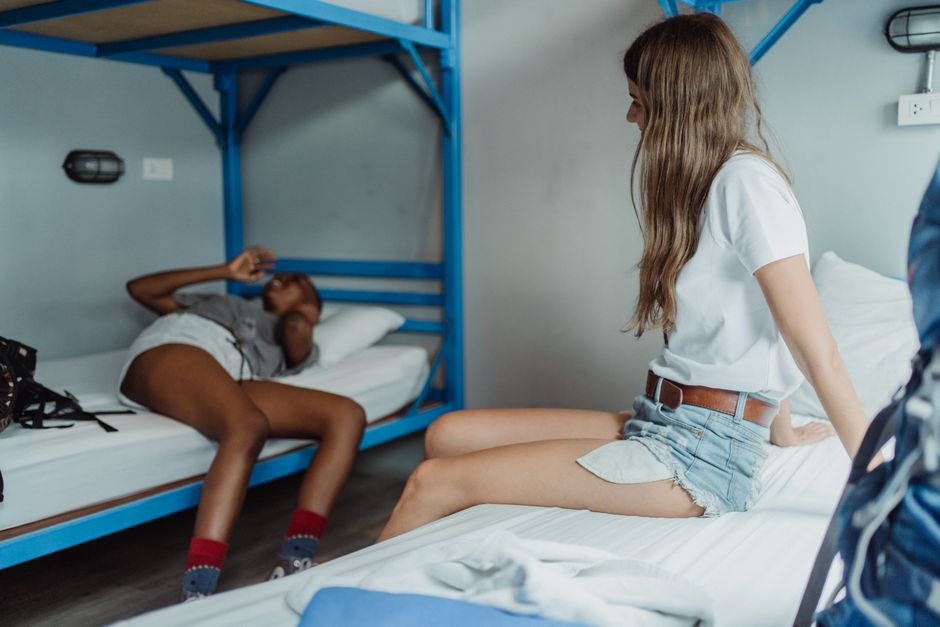
Etiquette that wins friends: keep lights low after 10 30 pm, use earphones always, take calls in the lounge, and pack and unpack in the common area early morning. Limit bathroom to ten minutes in peak hours, hang wet towels on your bunk rail, and wash your own dishes fast. Label food in shared fridges, ask before borrowing chargers, and offer help with directions. If you snore, choose a corner lower bunk and inform neighbours with humour. Small kindness like sharing biscuits builds instant goodwill and future travel buddies.
Sleep anywhere kit: carry earplugs, eye mask, cable plus adapter, and a sarong for curtain plus blanket. Add a headlamp on red mode. These weigh under 800 grams.
Scam watch: red flags include walk in touts near stations claiming your hostel is closed or shifted, fake listing pages asking full advance by personal UPI, and reception staff pushing overpriced taxis with commission. Real hostels confirm by email plus booking ID plus map link, and never ask for OTP. Check the property on maps plus recent photos plus phone number before paying. If a tout insists, step into a shop, call the hostel directly and share live location only with trusted contacts. Report theft calmly to the manager plus 112 if needed, and change dorms fast.
Foreign readers: India is warm and curious, so greet with a smile plus a simple namaste, dress modestly in temples and villages, and ask before photographing people. Remove shoes where required, keep shoulders and knees covered in religious spaces, and avoid public displays of affection in small towns. For ID basics, carry Passport plus visa copy plus hostel booking print, as police checks happen near borders and stations. Try hostel family dinners and chai sessions, as they teach etiquette faster than books. Keep an open mind about noise and cows and colours.
A two to three-day sketch for a hostel weekend: arrive Friday by evening train to Delhi, check in Paharganj dorm near ₹600 and join the rooftop dinner near ₹250. Day one covers Old Delhi walk plus metro to Humayun Tomb, with food ₹350 plus transport ₹150. Day two covers Hauz Khas plus Deer Park plus night bus to Jaipur or Agra. Total ground spend stays near ₹2,500 to ₹3,500. Keep one buffer dorm night unbooked in peak season so you can extend without shifting hostels.
Week plan for slow travel: base five nights in one hostel in Pushkar, Varkala or Kasol to get weekly rates and local rhythm. Cook twice, eat out once per day, join two free walks and one paid activity like surf lesson at ₹1,200 to ₹1,800 or yoga at ₹300 to ₹500. Volunteer two hours for reception or social media if the hostel allows, often in exchange for meals. Track sleep, spend and mood daily. Hostels reward regulars, so tip fairly, review honestly and leave the bunk cleaner than you found it.