
One Bag, Every Season: The Student Packing System
Youth Travel India ·
Pack one 40 litre bag for any season with light layers, laundry tricks and baggage proofing.
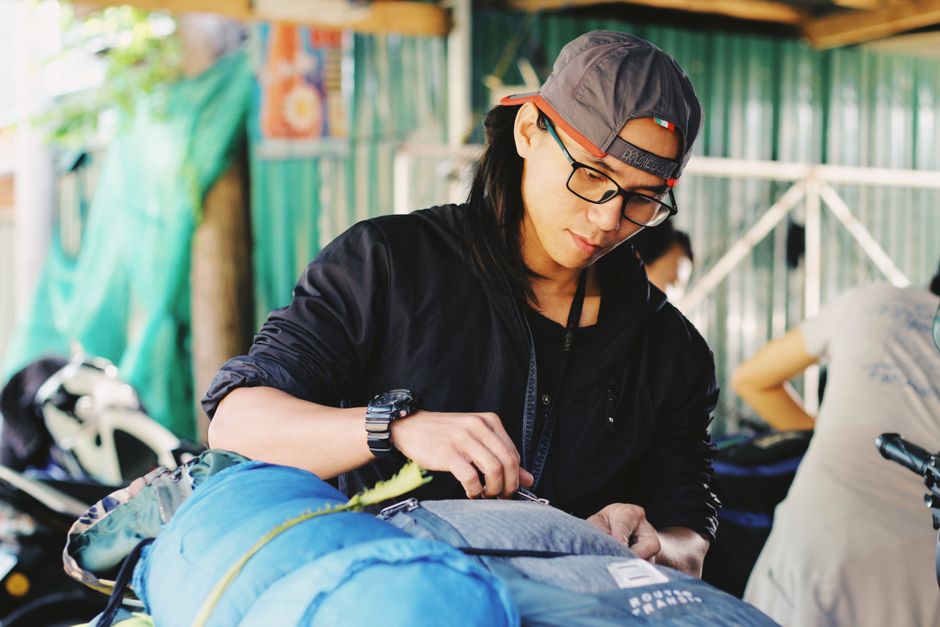
One bag travel is freedom for students, as you move faster, pay less and never wait at belts. Most overpacking comes from fear plus just in case items that stay folded. With a 35 to 40 litre bag plus smart layers, you can handle Delhi winter, Goa beach and Ladakh summer sun in one system. This guide gives weights, lists and laundry math that actually work in India.
Getting there: use metro or bus for ₹60 to ₹350. Cabin 7 kg plus check in 15 kg is standard, check current ticket. Light bags fit night trains and crowded buses easily.
What it costs: a one bag day saves real money. No extra baggage fees saves ₹500 to ₹1,000 per kg at airports, no porter saves ₹100 to ₹200, and fast transit saves ₹200 to ₹400 per move. Hostel dorms cost ₹400 to ₹800, food ₹300 to ₹500, local transport ₹100 to ₹300, so a normal day stays ₹900 to ₹1,500. A decent 40 litre backpack costs ₹2,500 to ₹4,500 once and lasts years. Packing cubes cost ₹600 to ₹1,000 a rain cover ₹250 to ₹400. These one time buys pay back in two trips.
When to go: one bag works year-round with layer swaps. October to March needs a fleece plus shawl for north nights at 5 to 12 degrees. April to June needs sun cap plus cotton tees for plains at 35 to 44 degrees. July to September needs quick-dry clothes plus sandals for monsoon delays. Ladakh and Spiti June to September need thermals plus wind shell even though days feel warm. Avoid carrying heavy woollens for short Delhi transits in November, borrow or rent at destination for ₹200 to ₹400 per day.
Stay safe: keep Passport or Aadhaar plus college ID plus insurance copy in a zip pouch on your person, not in the main bag. Keep medicines with prescription, as hill check posts may ask. For permits, carry Inner Line copies for Ladakh plus Protected Area copies for parts of Sikkim and Arunachal, two photos plus ID suffice usually. Note 112 for emergency plus 108 for ambulance. Lock main zips with a small combination lock costing ₹300 to ₹500, and cable your bag on night trains. Keep a torch plus whistle accessible.
The core system: three tops plus two bottoms plus one warm plus one rain layer. Total clothing stays near 3 kg. Roll clothes and keep tomorrow set on top.
Footwear and toiletries: wear your heaviest shoes, carry light flip flops at 200 grams. One pair of walking shoes plus flip flops beats three fashion pairs. Toiletries under 500 ml total include soap strips, small shampoo, sunscreen 50 SPF, lip balm and basic meds. Hostels often give towels on request, but a microfibre towel at 150 grams saves ₹50 rentals. Keep nail cutter plus safety pins plus ten metres of cord for clotheslines. Refill at hostel dispensers to avoid buying new bottles daily at ₹20 to ₹40.
Tech and documents: phone plus 10000 mAh bank plus cable plus adapter. Keep offline maps plus PNR screenshots. Avoid laptops on short trips.
Scam watch: red flags include baggage wrapping sellers insisting wrapping is compulsory, porters quoting ₹500 for a 20 metre push, and shops selling fake rain covers as branded at triple price. Real wrapping costs ₹300 to ₹500 only if you choose it, porter coolie rates are printed on boards at stations, and MRP plus bill are your right. Weigh your bag at home to avoid airport drama. If a cab driver says your hostel road is closed for luggage trolleys, verify on maps and call the hostel. Keep zips locked in crowds at fairs.
Foreign readers: India values modest dress in temples, villages and metros, so keep knees and shoulders covered where needed and carry a sarong that works as scarf plus blanket plus curtain. Remove shoes before homes and shrines, ask before photographing people, and greet with a smile. For ID basics, carry Passport plus visa plus onward ticket copies in two places. Laundry shops called dhobi or laundry services charge ₹50 to ₹100 per kg with one day return in cities. Tap water is not for drinking, use filtered water and carry your bottle.
A two to three-day sketch: pack for a Friday to Sunday Jaipur run with three tees, one shirt, one jeans, one trek pant, fleece, rain shell, flip flops worn plus shoes worn, toiletries and tech. Day one in City Palace plus bazaars, wash tee at night. Day two in Amber plus Nahargarh, rotate layers. Day three buffer with same jeans reworn. Total bag near 7 kg to 8 kg. Ground spend stays ₹2,500 to ₹3,500 with sleeper trains plus dorm plus thali. You will board metros without stress while others queue for cabs.
Week plan for every season: lay out all items, remove one third, then weigh. Aim base weight under 7 kg excluding water. Do laundry every third evening, dry overnight on hostel lines. In winter add thermal top at 180 grams plus beanie at 80 grams. In monsoon swap jeans for quick-dry pants and add dry bags. Test pack once before the trip and walk 15 minutes at home. One bag travel is a habit, not a purchase, and each light trip teaches the next.