
Istanbul: Two Continents, One Student Budget
Youth Travel India ·
Istanbul on a student budget with trams, museums and daily costs in lira and INR across two continents.
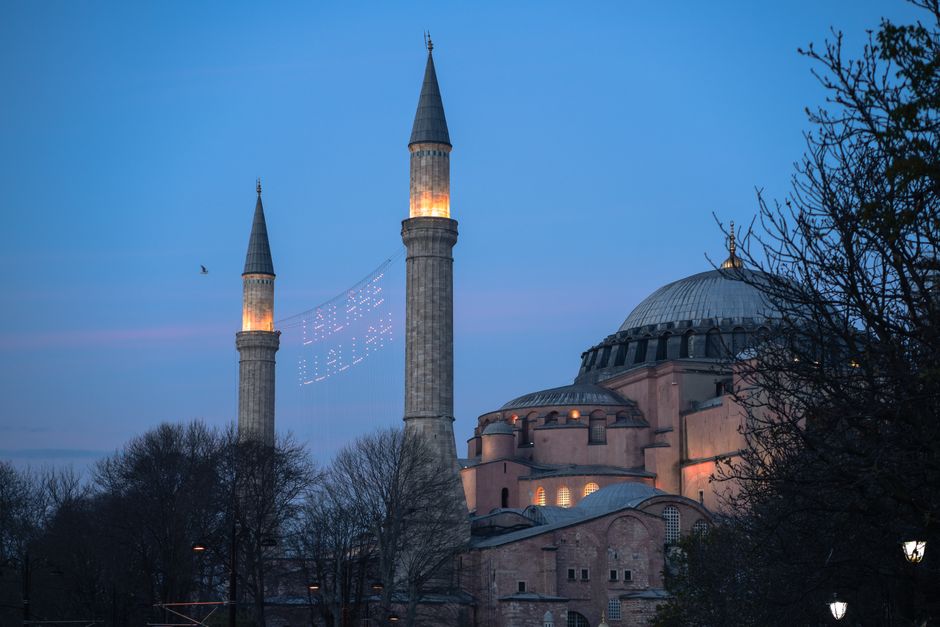
In Istanbul you cross from Europe to Asia by ferry in twenty minutes, with gulls, tea and minarets for company. UNESCO lists its historic areas for more than 2,000 years at the meeting point of the Balkans and Anatolia, the Black Sea and the Mediterranean. The treasures include the Hippodrome, the sixth-century Hagia Sophia and the sixteenth-century Süleymaniye Mosque. Trams, ferries, bazaars and hilltop viewpoints beat expensive tours, and this guide gives fares, passes and three days on two continents.
Getting there: fly from Delhi, Mumbai or Bengaluru to Istanbul Airport or Sabiha Gökçen, direct or with one Gulf stop. Return fares are often ₹45,000 to ₹70,000 booked two to three months early. The Havaist bus to Sultanahmet or Taksim costs roughly TRY 150 to 250, or take the M11 metro and transfer with an Istanbulkart. From Sabiha Gökçen, the Havabüs to Kadıköy plus a ferry to Karaköy costs TRY 100 to 200 in total. Trams, the Marmaray, metro and ferries all take the Istanbulkart, so buy one on day one. Stay in Sultanahmet, Sirkeci or Kadıköy.
What it costs: the lira moves fast, so treat these as wide ranges and check a live exchange app. Dorm beds cost TRY 400 to 800 (₹1,000 to ₹2,000), and doubles TRY 1,200 to 2,200. A simit costs TRY 20 to 35, börek TRY 80 to 150 and pide sets TRY 200 to 350. Since 2024, foreign visitors pay €25 for Hagia Sophia's upper gallery, while the Blue Mosque and the Süleymaniye are free with modest dress. A student day comes to roughly TRY 1,200 to 2,200 (₹3,000 to ₹5,500).
Visas and safety: Indians can use Turkey's e-Visa only if they hold a valid US, UK, Schengen or Irish visa or residence permit; otherwise they apply for a sticker visa through VFS, with photos, bookings and bank statements. Buy museum entries at the gates or on the official muze.gov.tr site, and ignore touts in Sultanahmet selling tickets at double the price. Use metered or app taxis at night. The emergency number is 112.
When to go: April, May, late September and October bring mild days of 18 to 25 degrees and manageable queues. March brings tulips and cheaper beds, November calm museums. Avoid late July and August, with heat and cruise crowds, and December to February, when cold rain makes ferry decks chilly. During Ramadan, lunch is quieter and nights are lively. Reach the big sites at opening, spend midday in the bazaars, and carry a scarf for mosques.
Day one, the old peninsula: visit Hagia Sophia, built between 532 and 537, for its dome and mosaics, then the Blue Mosque, with its calm tiles, outside prayer times. Cool down in the Basilica Cistern among its columns. After köfte and soup in Sirkeci, explore the Hippodrome and the courtyards of Topkapı Palace, with the harem as an extra ticket. Watch the sunset in Gülhane Park, then take the T1 tram back.
Day two, the bazaar and Galata: wander the Grand Bazaar's sixty-odd lanes of lamps and carpets, opening your haggling at half the first quote. Walk up to the Süleymaniye, built by Sinan between 1550 and 1557, for its courtyard and sea views, free. Eat beans and rice at the old lokantas nearby, then cross the Galata Bridge for a fish wrap in Karaköy and photos of the Galata Tower. Spend the evening on İstiklal Avenue and at the Pera Museum, with mantı for dinner.
Day three, Asia: take the city ferry from Eminönü to Kadıköy, twenty minutes with a glass of tea. Eat menemen in Kadıköy's market streets, then walk through Moda's street art and on to Üsküdar for views of the Maiden's Tower and the Mihrimah Sultan Mosque. In the afternoon, the public Bosphorus ferry runs up to Anadolu Kavağı, with a castle and a famous yoghurt. End with meze in Kadıköy and ride the Marmaray back under the strait.
Saving money: the Museum Pass on the official site bundles Topkapı, the archaeology museums and other state sites over five days, so compare it with single tickets. An ISIC card cuts some fees. Istanbulkart transfers beat single tokens, and ferry rides double as sightseeing. Hostels with breakfast in Sirkeci save money, and lokanta set meals beat rooftop restaurants. Mosques, parks and public ferry decks give the best free views.
For foreign readers: cover shoulders and knees in mosques, leave your shoes on the racks, keep your voice down and do not photograph people at prayer. Greet people with "merhaba", accept tea with thanks, and give and receive with both hands. Carry your passport, visa, tickets, insurance and hostel address. If you are not Indian, check your own e-Visa rules and fees. Wear your bag in front around Eminönü, Karaköy and Taksim.
You can love Istanbul on a budget with trams, shared meze and public ferries. Mix one paid palace or cistern a day with free mosques, bazaars and ferry decks, and check museum, transport and visa details on official sites before paying, because the lira moves fast. Mornings are for stone, middays for bazaars and evenings for the water. With an Istanbulkart, shared pide and respect at prayer time, two continents feel close and kind.