Kilimanjaro: Lemosho vs Marangu for First-Timers
Youth Travel India ·
Lemosho or Marangu on Kilimanjaro with park fees, honest costs and first-timer route advice.
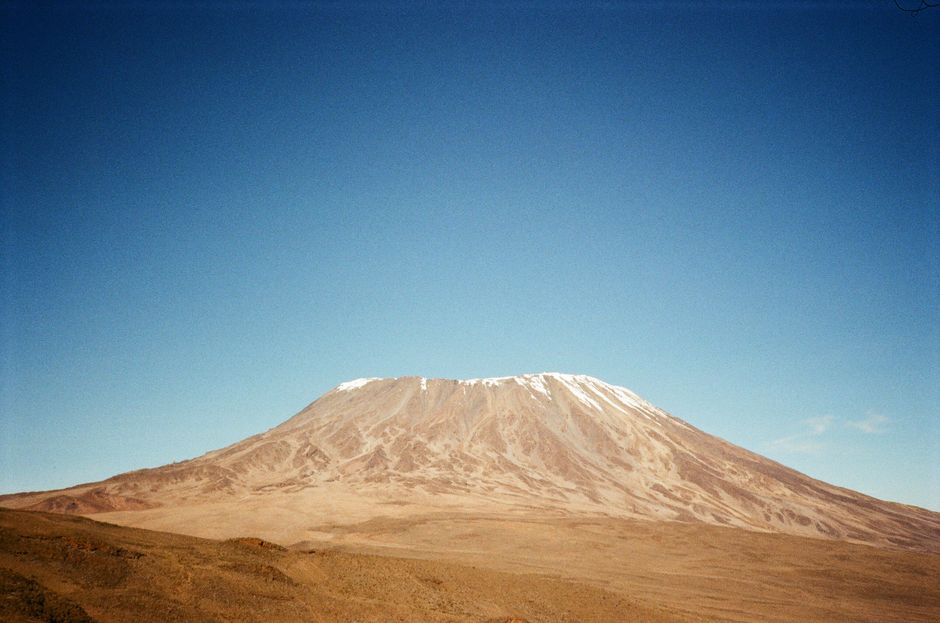
Kilimanjaro at roughly 5895 metres is Africa highest peak and a non-technical trek that still demands respect. Tanzania National Parks manages Kilimanjaro National Park with formal gates, huts and camps, licensed guides and daily park fees that shape every budget. First timers usually debate Lemosho versus Marangu. Lemosho is longer, more scenic and better for acclimatisation, while Marangu is shorter with hut beds but a tougher summit profile. This guide prices both honestly and helps you pick for safety first.
Getting there: fly into Kilimanjaro International Airport near Moshi and Arusha from India via Doha, Dubai or Nairobi, often for roughly ₹45,000 to 70,000 return, then take hotel shuttles or public buses to Moshi town for roughly TZS 5000 to 15000, roughly ₹160 to 500. Check current Precision Air and shuttle timetables before planning. You cannot trek independently, all climbs require licensed operators with guides, porters and cooks. Arrive a day early for gear checks and briefings.
What it costs: plan roughly ₹1,50,000 to 2,50,000 total for a licensed six to eight-day climb including park fees, crew, food, tents or huts and transfers, excluding international flights, check current operator quotes because TANAPA fees change. Park entry, camping or hut fees and crew wages dominate costs, with Lemosho seven to eight days costing more than Marangu five to six days but offering better summit odds. Gear hire in Moshi for boots, jackets and sleeping bags often costs roughly USD 50 to 150 for the trip. Always get itemised inclusions before paying.
When to go: aim for January to March and June to October for drier trails and clearer summit views. April, May and November bring heavier rain, muddy forest sections and lower prices but tougher conditions. TANAPA notes mountain weather changes fast, so even dry season needs full rain gear. Avoid booking tight international connections after the trek because summit fatigue and weather delays are common. Full moon climbs are popular for night summit light but book early. Train with hikes and stairs for eight to twelve weeks beforehand.
Stay safe: altitude affects everyone, so choose longer itineraries, hydrate, eat even without appetite and tell guides immediately about headaches or nausea. Summit night from Kosovo or Barafu camps climbs roughly 1200 metres in darkness and cold near minus fifteen degrees. Wear layered clothing, headlamps with spare batteries and sun protection for descent. go. tz before paying. Never leave the group without guide approval.
Lemosho in seven to eight days suits most first-timers. Start at Londorossi Gate through rainforest to Mti Mkubwa camp, then traverse Shira Plateau with wide views. Cross to Barranco Camp via Lava Tower for key acclimatisation, climb the Barranco Wall in the morning, then contour to Karanga Camp. Summit via Barafu Camp with a midnight start to Uhuru Peak, then descend to Mweka Camp. Extra days at Shira and Karanga lift summit success and let you enjoy Shira Cathedral and Barranco scenery.
Marangu in five to six days uses hut beds at Mandara, Horombo and Kibo, which appeals to students who dislike tents. The trail climbs forest to moorland quickly with fewer acclimatisation options, so add the extra Horombo day if possible for a walk to Zebra Rocks or Mawenzi Hut. Summit night from Kibo to Gilman Point then Uhuru Peak is long and steep. Descend to Horombo for sleep. Marangu is often called the Coca Cola route, but do not mistake huts for easiness. Success rates are lower on short versions.
Food, huts and camps shape daily life. Operators provide boiled water, tea, porridge, pasta, rice and soups, with vegetarian options on request. Eat well even at altitude. Marangu huts have bunks, solar lights and basic toilets, while Lemosho camps use tents with mess shelters. Sleep warm with hired sleeping bags rated well below zero. Keep duffels under porter weight limits, usually about fifteen kilograms, and carry daypacks with water, snacks and rain gear.
Saving money without cutting safety means picking group departures over private climbs, travelling in dry shoulder weeks and hiring gear in Moshi rather than buying new. Compare two or three licensed operators for identical days, crew ratios and park fees included. Avoid unusually cheap offers that underpay porters or skip acclimatisation days. Share transfers and hotel nights in Moshi. Carry small Tanzanian shilling notes for markets and tips envelopes. Confirm tipping guidance from your operator at briefing.
Foreign readers and culture notes: Tanzania is polite and modest. Greet with jambo and asante, dress modestly in Moshi and villages, ask before photographing people and respect Chagga farm customs on lower slopes. English and Swahili both work on treks. Keep voices low in huts and camps after nine. Tip crew personally at the end with thanks. Carry ID copies and keep originals in Moshi hotel safes. Respect quiet on summit night when many groups share trails.
Packing and practical tips matter more than fitness alone. Bring broken in waterproof boots, down jacket, fleece layers, rain shell, warm hat, gloves, headlamp, trekking poles, water bottles and a basic first aid kit. Hire technical items in Moshi after fitting. Power banks are essential since charging is limited. Local SIM data helps in Moshi but not on the mountain. Arrive with travel insurance documents printed.
You descend Kilimanjaro remembering sunrise over Mawenzi and the long scree trail back to green forest. For most students Lemosho seven days is the wiser first choice for views and acclimatisation, while Marangu six days suits hut lovers with limited time. Check current TANAPA fees and visa rules before booking, choose licensed operators with fair porter treatment and let the mountain set a slow pole pole pace.