
Kinabalu: Borneo's Granite Giant in Two Days
Youth Travel India ·
Kinabalu 2-day climb with Sabah Parks fees, packing, altitude tips and student costs.
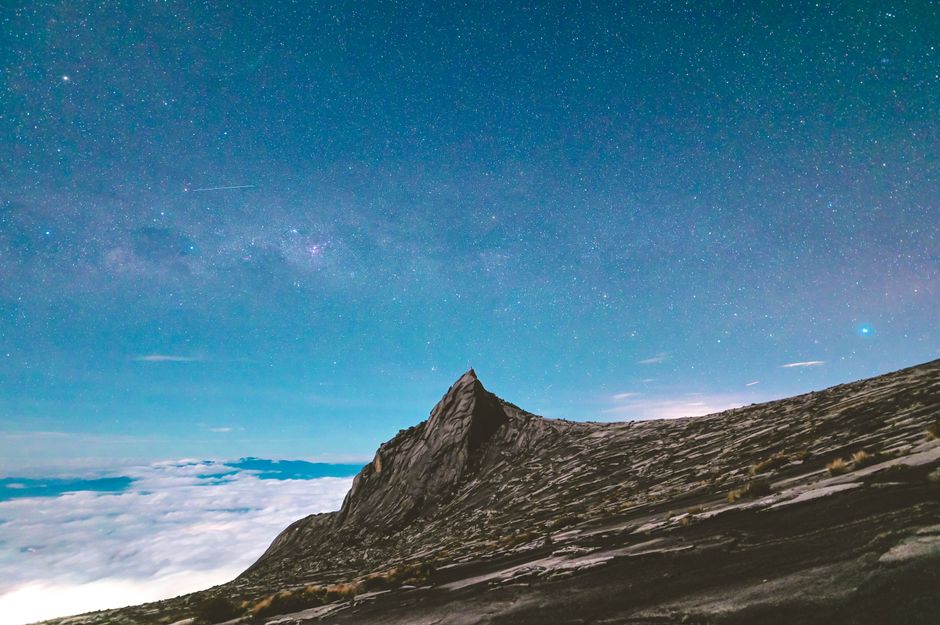
Mount Kinabalu at 4,095.2 metres is the highest peak between the Himalayas and New Guinea, and it is also one of the most student-friendly big summits in Asia. The trail is well maintained, the food is cooked for you, and the sunrise granite slabs near Low's Peak feel like another planet. Sabah Parks manages the climb with fixed permits, guides, and huts, so planning is really about booking early and pacing well. This guide covers the 2-day standard climb from Timpohon Gate.
Getting there: fly Delhi or Mumbai to Kuala Lumpur, then take AirAsia or Malaysia Airlines to Kota Kinabalu, with through returns often roughly ₹28,000 to ₹55,000, check current fares. From Kota Kinabalu take a 2-hour minivan or bus to Kinabalu Park Headquarters at about 1,520 metres, roughly 92 kilometres along the east-coast highway, for roughly MYR 20 to MYR 40, about ₹380 to ₹760. Most climbers sleep 1 night at park lodges or Kundasang before the climb. Book park transport a day ahead in high season.
What it costs: permits are the fixed cost, while hostels and local food keep the rest low. Sabah Parks lists international climbing permits at MYR 400 per adult, about ₹7,600, plus conservation fees of MYR 50, guide fees of MYR 350 per group of up to 5 adults, insurance around MYR 10, and certificates from MYR 1 to MYR 10, check current Sabah Parks pages. Dorm beds in Kota Kinabalu cost roughly MYR 40 to MYR 80, about ₹760 to ₹1,500, and meals cost roughly MYR 12 to MYR 30. All-in 2-day packages via operators often run roughly MYR 1,200 to MYR 1,800, about ₹22,800 to ₹34,200.
When to go: February to April is usually the driest window with the best sunrise odds and firm granite. May to September is also good, with brief afternoon showers. Avoid November to January if you dislike slippery rock, because heavy rain and clouds can hide the summit for days. The mountain can be climbed year-round when the park is open from 8.00 am to 5.00 pm, but always check Sabah Parks notices. Weekdays have smaller groups than Malaysian school holidays.
Stay safe: all climbers must use the official Sabah Parks booking system, climb with a licensed mountain guide, and follow the Timpohon to Laban Rata to Low's Peak routing. Guides enforce turn-around times for bad weather, and the final granite slabs need gloves, grippy shoes, and the fixed rope in rain. Carry 2 litres of water, rain shell, warm layer, headlamp, and small cash, because there are no shops above Laban Rata. Report chest pain, breathlessness, or dizziness immediately, and never split from your guide.
Altitude and insurance: the jump from 1,860 metres at Timpohon to 4,095 metres in 2 days is fast, so headaches and nausea are common. Walk slowly, sip water hourly, eat even when appetite drops, and sleep low at park headquarters the night before if possible. Avoid alcohol the night before the climb, and tell your guide about asthma, heart issues, or past altitude sickness. Buy insurance explicitly covering trekking to 4,200 metres plus helicopter evacuation, roughly ₹1,500 to ₹3,500 for a short trip. Descend if symptoms worsen despite rest.
Two-day sketch, day 1: register at park headquarters, meet your guide, store extra luggage, and take the shuttle to Timpohon Gate. Climb about 6 kilometres to Laban Rata at 3,272 metres in 4 to 6 hours through mossy forest and Layang-Layang rest stops. Eat an early dinner, lay out summit clothes, and sleep by 7.00 pm in heated dorms. Keep water, snacks, headlamp, gloves, and rain gear packed for a 2.00 am start.
Two-day sketch, summit day: leave Laban Rata around 2.00 am for the rope-assisted granite section to Low's Peak, about 2.7 kilometres in 3 to 4 hours. Watch sunrise from the summit plateau, take photos quickly, and descend to Laban Rata for breakfast checkout. Continue down to Timpohon Gate in 4 to 5 hours, collect certificates, and return to Kota Kinabalu or Kundasang hot springs. Your knees will complain, but the photos will silence them.
Food and packing: Laban Rata serves filling buffet meals, packed breakfasts, and hot drinks, with vegetarian options if requested. Kota Kinabalu has superb cheap eats, from fish noodles to night-market satay under MYR 20. Pack broken-in shoes, rain jacket and pants, fleece, gloves, sun cap, 2 water bottles, blister kit, power bank, and MYR cash for drinks and tips. Porters charge roughly MYR 14 per kilogram from Timpohon, so keep daypacks near 5 kilograms.
Visas and money for Indian passports: Indian citizens can enter Malaysia visa-free for up to 30 days under a scheme extended to 31 December 2026, after filing the free Malaysia Digital Arrival Card within 3 days before arrival, so check whether it still runs for later trips. Sabah runs its own immigration check, so keep your passport handy on the flight from Kuala Lumpur. Carry a passport valid for 6 months, return flights, hotel bookings, and Sabah Parks reservation printouts. ATMs in Kota Kinabalu are reliable, while Kundasang and the park take cash and cards unevenly. Keep small MYR notes for vans, markets, and tips.
For foreign readers: Sabah is multicultural and relaxed, with Malay, Chinese, Kadazan-Dusun, and Bajau communities sharing food and festivals. Dress modestly in villages and mosques, remove shoes where asked, ask before photographing people, and try a little Bahasa Malaysia. Alcohol is available in cities but not around park offices, and littering or off-trail walking can bring fines. Respect the mountain, which holds deep significance for local communities.
Kinabalu is proof that a 4,000 metre sunrise does not need expedition budgets. Book permits as soon as flights are fixed, train on stairs with a loaded pack, and keep 1 spare day for weather. Check Sabah Parks reservation pages again in the final week for fee or schedule changes. With slow steps and warm tea at Laban Rata, Low's Peak is closer than you think.