Kruger Self-Drive: Safari in Your Own Rental
Youth Travel India ·
Kruger self-drive on a student budget: park fees, rest camps, rental math, malaria notes and a 3-day route.
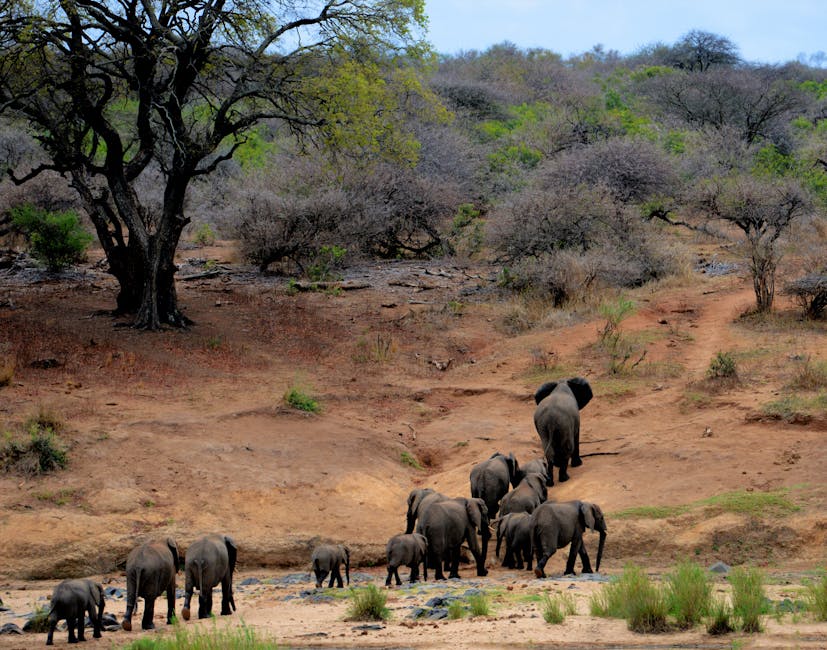
Kruger is the safari that hands you the keys and says go find your own lions. This enormous park in northeast South Africa, nearly two million hectares established back in 1898, holds the Big Five plus wild dogs, cheetahs, huge elephant herds and over five hundred bird species, all watched from your own rental car on a superb paved and gravel road network. Self-driving costs a fraction of a private lodge stay while delivering most of the same sightings, and the park rest camps with their rondavels, braai stands and night drives make it gloriously student-friendly. If you can drive sensibly and wake before dawn, Kruger is yours.
Getting there: most visitors start in Johannesburg, about four to five hours by road from the southern gates at Malelane, Numbi or Paul Kruger. Budget airlines fly to Kruger Mpumalanga International near Mbombela and to Hoedspruit for the central region, with domestic hops often near ₹5,000 to ₹10,000. Rental cars from Johannesburg start near ₹2,500 to ₹4,500 a day for a small hatchback, which is fine for Kruger tar roads, though higher clearance helps on gravel loops. Stock a cooler, fill the tank and enter with printed bookings, since gate queues build by mid-morning and camp gates lock at strict sunset times.
What it costs: the fee structure is refreshingly official, with the daily conservation fee for international adults at R 602 and children near R 300 for the season running November 2025 to October 2026 (about ₹2,900 and ₹1,450), so check current SANParks rates before you go. Rest camp accommodation is the next line, with campsites from about R 508 a night and basic huts from about R 640, while two-bed huts and safari tents often run roughly R 1,800 to R 2,800 per unit per night (about ₹8,700 to ₹13,500), splitting beautifully between two to four friends. Self-catered groceries, fuel shared across the car and one guided activity complete the maths. A couple sharing can run roughly R 1,800 to R 2,500 per person per day all-in, which is lodge money for a week for one night elsewhere.
When to go: the dry winter from about May to September gives the easiest game viewing, with thin bush, animals pinned to waterholes and mild sunny days. The wet summer from November to March brings babies, migrants, flowers and dramatic storms, but thick vegetation hides predators and the heat is serious. Malaria risk runs year-round and rises in the wet months, so prophylaxis matters whatever the season. School holidays pack the southern camps, so book rest camps early or aim for quieter central and northern sections.
Stay safe: Kruger lies in a malaria area, so take prophylaxis on medical advice, use repellent and nets, and know resident doctors are based at Skukuza on plus 27 13 735 5638. Never leave your vehicle except at marked get-out points, since fines and fangs both bite. Gate and camp times are strict with fines for lateness, night self-driving inside the park is forbidden, and speed limits run fifty on tar, forty on gravel and twenty in camps. For the visa, Indian passport holders apply for the South African e-visa through the official portal well ahead, checking the current fee. Plan fuel carefully because distances are long and stations few.
Travel responsibly with wildlife: obey every speed limit, since dogs, tortoises and nightjars all use the roads too. Never feed any animal, a fineable offence that teaches baboons and hyenas to raid camps. Give elephants a wide berth and an exit route, switching off the engine and reversing calmly if one approaches. Keep noise down at sightings, stay inside the car with doors closed, take litter home, and leave drones outside the park entirely. Report rule-breaking vehicles at the nearest camp office with the registration number.
Sketch for day one: enter at Malelane gate by opening time and game-drive slowly east along the Sabie river road, where leopards lounge and lions patrol. Brunch at Lower Sabie with the river in view, then loop the sunset drive before checking into camp and firing up the braai. Book the camp night drive at reception on arrival, since seats go fast. Bed early, because gates open before sunrise and the first hour is golden.
Sketch for day two and day three: rise before the gate opens and push north to Satara lion country via the Orpen road, scanning open plains where cheetahs hunt. Picnic at a get-out point, detour the waterholes in the afternoon heat, and overnight central or north depending on bookings. Day three drifts back south with a morning walk or bush braai if booked, exiting through Paul Kruger gate toward Hazyview. Three unhurried days beat five rushed ones.
Camp craft: book SANParks accommodation online as early as your dates firm up, since riverside bungalows vanish first. Camp shops sell braai packs, firewood and basics at fair prices, and every rest camp has pools, laundries and petrol nearby. The dawn chorus alone justifies a campsite, and night drives from camp with a ranger spotlight genets, bushbabies and hunting lions. A Wild Card pays off on longer multi-park itineraries, so do the maths if you are adding parks.
Foreign readers: the braai is sacred social ritual, so accept invitations, bring your own meat and drinks, and never rush the fire-master. Power cuts still visit South Africa, so keep devices charged and check current load-shedding schedules. Cards rule everywhere including SANParks, which runs largely cash-free, but carry small rand for fuel attendants and car guards, tipped a few coins. Driving is on the left like India, distances deceive, and a paper map backs up patchy signal.
Kruger self-drive is freedom measured in paw prints, with dawn mist, elephant traffic jams and a braai under the stars. Book early, drive slowly, keep your distance, and let the park reveal itself at your own pace.