
Lalibela: Eleven Churches Cut From Rock
Youth Travel India ·
Lalibela on a student budget: eleven rock churches, priest guides, dawn prayers and highland trails.
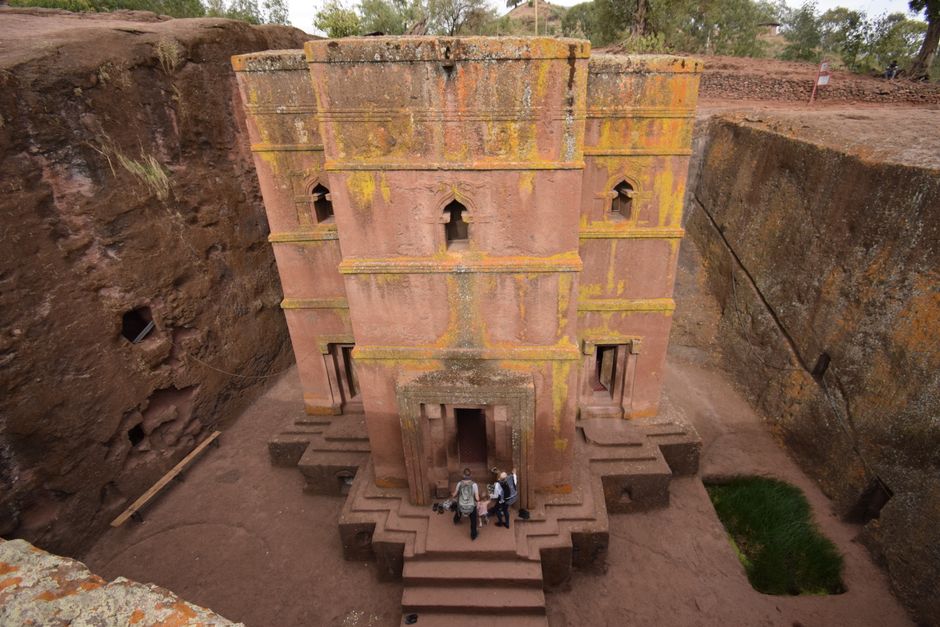
Lalibela does not feel built so much as revealed. Churches were cut down into living rock, then shaped with doors, windows, columns and tunnels. You enter through trenches and stand in courtyards where priests chant under old olive trees. UNESCO listed the Rock Hewn Churches in 1978 as a high place of Ethiopian Christianity still alive with pilgrimage.
A little history steadies your feet. In mountains about 645 km from Addis Ababa, eleven medieval monolithic churches were carved, linked to King Lalibela who set out in the twelfth century to build a New Jerusalem. Northern group churches include Medhane Alem, Maryam, Maskal, Denagel and Golgotha Mikael, southern group includes Amanuel, Mercoreos, Abba Libanos, Gabriel Raphael and Lehem, while Ghiorgis stands apart in cruciform plan yet joined by trenches. Medhane Alem is seen as the largest monolithic church in the world.
Getting there: fly Delhi to Addis Ababa Bole airport, code ADD, with fares often roughly ₹35,000 to ₹60,000 return in shoulder season, so check current prices. From Addis take a domestic flight to Lalibela airport, code LLI, for often roughly ₹8,000 to ₹15,000 one way. Buses from Addis take a full day and night over highland roads. In town walk between church clusters or take a bajaj for roughly 100 to 300 birr. Licensed local guides at ticket points are worth the fee.
What it costs: Lalibela is simple and cash based. A basic pension bed costs roughly 800 to 1500 birr, which is roughly ₹1,200 to ₹2,200 at recent rates. A clean mid-range double with breakfast is roughly 2000 to 4000 birr. Injera platters, shiro, lentils and pasta cost roughly 250 to 600 birr per meal. The church ticket for foreign visitors is famously steep and multiday, often around 100 dollars, which is roughly ₹8,300 so check current validity. Plan roughly 4000 to 7000 birr per day plus the ticket.
When to go: aim for October to March dry season when highland skies are blue and paths are firm. December to January brings great festivals including Genna and Timkat, deeply moving yet crowded, so book beds and flights early. June to August is wet and quiet, with low prices and misty photos. Mornings and evenings are cool at altitude year-round, so pack a warm layer. Sunday liturgies are powerful, so allow extra time.
Stay safe: altitude, sun and uneven rock demand care. Walk slowly and wear shoes with grip that slip off easily at doors. For visas, Indian passport holders generally use the Ethiopia eVisa portal, with fees often around 60 to 80 dollars, which is roughly ₹5,000 to ₹6,700 so check current rules on the official portal before you pay. Carry your passport, eVisa letter and church ticket together. Check current travel advisories for Ethiopia before you commit.
Day one sketch for the northern cluster. Start before dawn at Medhane Alem to hear chanting in dark courtyards with a guide. Continue to Maryam for painted ceilings, then Maskal, Denagel and Golgotha Mikael as light builds. Rest midday in town with coffee ceremony and injera. In late afternoon walk the connecting trenches slowly. End with sunset over the highlands from a ridge viewpoint.
Day two sketch for the southern cluster plus Ghiorgis. Begin at Amanuel, then Mercoreos and Abba Libanos. Continue to Gabriel Raphael and Lehem with care on steps. After lunch descend to Ghiorgis, the cross shaped wonder, viewing it first from above then entering below. Stay for late light when the roof cross glows. Sleep early after a simple dinner.
Day three sketch for living culture and hills. Join a morning coffee ceremony and visit the market for spices and woven scarves. Walk to nearby viewpoints with a local guide, carrying water and sun cover. Visit a Lasta tukul area to see round stone houses. In the afternoon return to one favourite church for quiet sitting rather than new sights.
Culture and etiquette are central here because Lalibela is a living holy place, not a museum. Cover shoulders, arms and knees and remove shoes before entering churches. Ask priests before photographing people or interiors. Give way to pilgrims and processions. Women may need headscarves in some churches, so carry one. Bargain gently for crafts and pay guides fairly.
For foreign readers: carry your passport, eVisa letter and church ticket for checks at airports and site gates. Cash birr is essential, with ATMs in town but unreliable, so bring enough dollars or euros to exchange in Addis plus backup cards. Modest dress, warm layers and a torch for trench passages work year-round. Power cuts happen, so keep banks charged.
Lalibela asks for slowness and gives back wonder. You cannot rush rock that took generations to cut, nor prayer that has run for centuries. Students who hire a priest guide and sit through a full chant will learn more than any quick tour. Come for the eleven churches and leave only respect behind.