Leh-Ladakh on a Budget: Acclimatise First, Ride Second
Youth Travel India ·
Leh to Pangong on a budget: acclimatise in Leh, share taxis, sleep by the lake, ride safe.
→ Our Pangong Tso destination guide: costs, itinerary and hacks
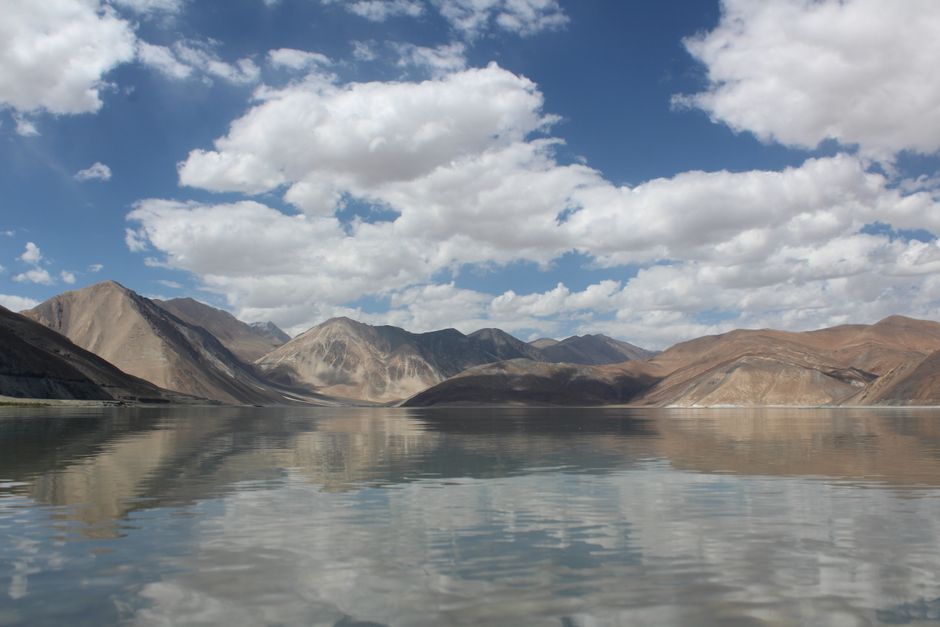
Pangong Tso sits at four thousand three hundred fifty metres, a salt water lake one hundred thirty four kilometres long that shifts colour through the day. The lake entered every Indian imagination through the film Three Idiots, but no screen prepares you for the wind and the silence. This guide is built on one rule that experienced riders repeat like a mantra. Acclimatise first and ride second, because the altitude here punishes anyone who rushes.
Getting there: almost every budget trip starts in Leh, one hundred sixty kilometres from the lake. Shared taxis from Leh to Spangmik village take five to six hours and charge roughly ₹800 to ₹1,200 per person, while seasonal buses charge roughly ₹500 to ₹700 where they run. The road crosses Chang La Pass at five thousand three hundred sixty metres. Day trips back to Leh the same day mean ten to eleven hours of driving, which exhausts most travellers.
Flying to Leh from Delhi typically costs ₹5,000 to ₹8,000, while the Manali to Leh road is cheaper but far longer. Bike rental in Leh runs roughly ₹1,000 to ₹2,000 a day for a Royal Enfield, plus fuel and a helmet deposit. Confirm current taxi fares with the Leh taxi union before you travel. Whatever you ride, reach Leh at least two full days before heading to the lake.
What it costs: plan on roughly ₹2,000 to ₹3,000 per person per day on the Pangong leg. Basic camps at Spangmik charge roughly ₹1,000 to ₹2,000 a night for a tent with bedding, and a simple thali at camp costs roughly ₹300 to ₹500. Snacks and water bought in Leh cost a fraction of camp prices, so stock up before leaving town and carry cash, since there are no ATMs beyond Leh.
When to go: the season runs June to October, with July to September offering the mildest weather, daytime temperatures around five to fifteen degrees and nights between minus five and plus five. September brings still water, autumn light and the finest reflections of the year, plus thinner crowds than July and August. June and October are colder but quieter and often cheaper. From November to May the lake freezes and the road closes.
Stay safe: altitude sickness is the defining hazard of this trip. Spend a minimum of forty eight hours resting in Leh before any high pass, and never ascend with a worsening headache, nausea or dizziness. Talk to your doctor about preventive medication before you fly. Buy travel insurance that explicitly covers high-altitude travel and helicopter evacuation, since a road evacuation from Pangong takes hours. Nights drop near freezing even in summer, so carry a warm sleeping bag, layered clothing and sun protection for the fierce daytime glare.
Permit rules have eased on the main circuit but stay strict near the border. Indian nationals currently travel Leh, Nubra and the main Pangong lake area without an Inner Line Permit, but you must carry government photo ID for army and police check posts. Hanle, Umling La, the Pangong far east villages past Merak, Marsimik La and Chushul still need a route permit costing roughly ₹400 to ₹600, obtained online or through a Leh travel agent. Carry at least six photocopies, since every gate keeps one.
Foreign nationals need a Protected Area Permit for Pangong and most areas beyond Leh, arranged only through a registered Leh travel agent, usually in a group of two or more and costing roughly ₹600 per person. Hanle and Umling La remain effectively closed to foreigners as a sensitive border zone, with Umling La at nineteen thousand twenty four feet open to Indian nationals with permits only. Permits are date bound and a permit never overrules a checkpoint, so reconfirm access in Leh on the morning you leave. Photography of military installations anywhere is strictly banned.
A relaxed three-day sketch beats any rushed plan. Day one is pure acclimatisation in Leh, with rest, fluids, the permit admin for any restricted extension, and nothing steeper than a gentle evening walk to Shanti Stupa. Eat light, avoid alcohol and sleep early. Use the spare hours to print permit copies, buy snacks and water, and confirm your shared taxi or bike the night before.
Day two starts before dawn, around five in the morning, for the five to six-hour drive over Chang La to Spangmik, with short photo halts at the pass and across the Changthang plateau, where you may spot kiang wild ass and marmots. Reach the lakeshore by midday, check into camp and spend the afternoon walking the pebbled shore as the colours shift. Sunset from the Spangmik side is the classic photograph. Eat dinner early, layer up and sleep warm.
Day three begins at sunrise, when the first light hits the mountains and the lake is at its calmest for photographs. After breakfast at camp, drive back to Leh by afternoon and rest. With permits and strong legs, Indians can extend toward Hanle for the dark sky reserve and the road to Umling La. Never attempt Umling La on a tight schedule or with any lingering altitude symptoms.
Etiquette and the fragile desert matter more than most visitors realise. Carry every bottle, wrapper and tissue back to Leh, and keep noise down at night in open wilderness camps. Respect Changpa herders and their grazing land, ask before photographing people, and dress modestly in monasteries around Leh. Foreign readers should add passport photos and visa copies to their permit file. For route background and lake detail, read our full Pangong Tso destination guide.