
Machu Picchu Without the Markup: Permits & Porters
Youth Travel India ·
Machu Picchu permits, trains and porter rules with circuits, fares and daily costs in soles and INR.
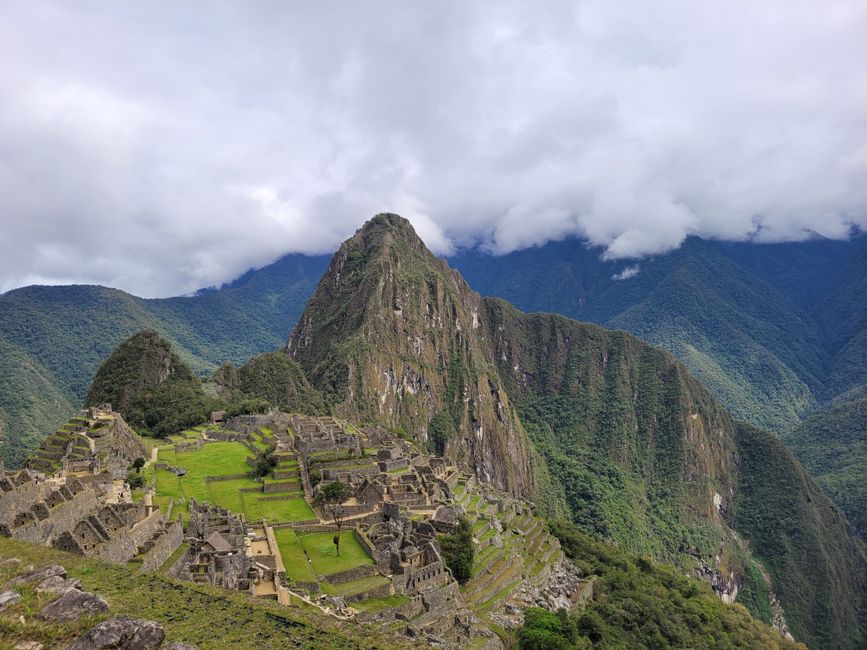
Machu Picchu sits at about 2,430 metres, where Inca terraces meet the cloud forest. UNESCO lists the sanctuary for both its culture and its nature: a fifteenth-century Inca city of some 200 structures for worship, ceremony, astronomy and farming, high above the Amazon basin, inside a protected area of more than 32,000 hectares. Students need permits, a circuit ticket and altitude sense, not a luxury tour. This guide gives realistic train, ticket and porter costs.
Getting there: fly from Delhi or Mumbai to Lima, with one stop in Europe, the Gulf or the US. Return fares are often ₹80,000 to ₹1,20,000 booked three to four months early. Lima to Cusco flights cost 150 to 400 soles (₹3,300 to ₹8,800), and morning flights are the most reliable. From Cusco, a colectivo to Ollantaytambo plus a PeruRail or Inca Rail train to Aguas Calientes costs US$50 to US$90 each way (₹4,200 to ₹7,500). From Aguas Calientes, the zigzag shuttle bus costs US$12 to US$15 each way, or you can climb the stone steps in one to two hours.
What it costs: entry is sold by circuit at about 152 soles (₹3,300 to ₹3,600) for foreign adults, timed and checked against your passport, with mountain add-ons costing more. Cusco dorms cost 30 to 60 soles (₹660 to ₹1,320), and dorms in Aguas Calientes 50 to 100. Set lunches cost 15 to 25 soles, empanadas 5 to 8 and trout dinners 25 to 40. A student day with a bed, food, local transport and entry comes to 180 to 320 soles (₹4,000 to ₹7,000), with trains on top.
Stay safe: buy entry only on Peru's official ticketing site, and trains only on the operators' own sites, with names exactly as in your passport. Indian passport holders generally need a Peru visa, though holders of a valid US, UK, Schengen, Canadian or Australian visa may be exempt, so check with the embassy. Spend two days resting in Cusco, at 3,400 metres, with plenty of water and coca tea, light meals and no alcohol on day one.
When to go: May to September brings dry views, cold nights of 5 to 8 degrees and busy trails. April and October bring green slopes, fewer crowds and brief showers. Avoid November to March, with rain, slippery paths and train delays, and note that the Inca Trail closes every February. Late April and early October balance price, light and permits. Enter at six or seven for the morning mist, and carry a rain shell, a cap and two litres of water all year.
Day one, Cusco calm: rest, with no climbs, while you adjust. Wander Plaza San Blas and the Qorikancha temple, then take a bus up to Sacsayhuamán, with a combined ticket that covers several sites. Eat a menú lunch of quinoa soup and lomo saltado. In the afternoon, add gentle visits to Qenqo and Tambomachay, then drink tea, eat an early dinner and sleep eight hours. Screenshot your tickets for offline use.
Day two, the citadel: take the early train from Ollantaytambo, or the first shuttle from Aguas Calientes, for an early circuit slot. Follow your assigned circuit with a guide for two to three hours through terraces, temples and the guardhouse viewpoint. Huayna Picchu needs its own timed ticket and is steep. Eat a packed lunch or a café meal, then take the afternoon train back through the Urubamba valley, and sleep long.
Day three, the Sacred Valley: a colectivo loop to Pisac, Ollantaytambo and Chinchero costs 70 to 130 soles with entries. Alternatively, the one-day Inca Trail from Kilometre 104 to the Sun Gate costs about US$200 to US$300 with a licensed operator. Or rest with Cusco's cathedral, art museums and coffee. Farewell dinner: ají de gallina for 20 to 30 soles.
Permits and porters: the classic four-day Inca Trail needs licensed guides, cooks and porters, whose loads are capped at about 20 kilograms; ask operators how they treat their porters. Compare group size, tents, meals and the return train, not just price. The Salkantay and Lares treks need no Inca Trail permit but still need Machu Picchu entry, so confirm what is included. Book your circuit as soon as your train is fixed, because the classic-view circuit sells out first. Tip guides and porters fairly; around 10 percent of the trek price, shared, is a common guide.
For foreign readers: the Andes honour the earth, so return Quechua greetings and market smiles. Ask before photographing weavers and porters, and do not hand out sweets on the trails. Carry your passport, ticket, insurance and hostel address for the gates. Altitude affects everyone, so walk slowly and eat lightly on day one. In Cusco, tourist police and the iPerú tourist office can help. Watch your bag in San Pedro Market and on night buses.
You can do Machu Picchu without the markup by booking directly, sharing trains and respecting the altitude. Choose the dry months, fix your circuit early and keep two buffer days. Check entry, train and visa details on official pages before paying. With timed tickets, shared costs and patience, the clouds will part over the stone.