
Marrakech: The Medina Survival Guide
Youth Travel India ·
Marrakech medina on a student budget: souks, palaces and Jemaa el Fna without getting lost or overpaying.
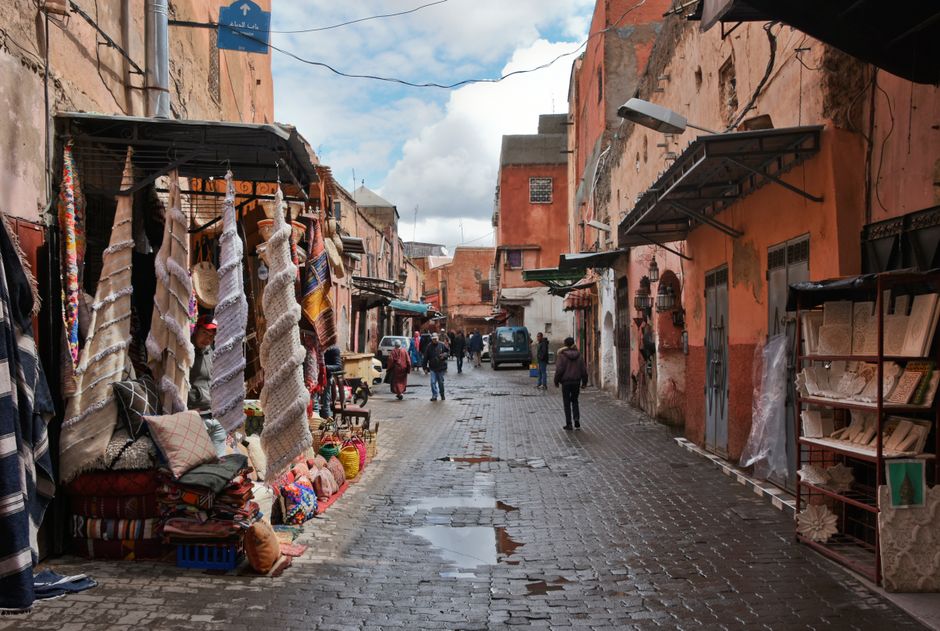
Marrakech hits all your senses at once and the medina is the reason. Copper hammering rings from a lane you cannot see, orange juice carts line the great square, and a stork rides a thermal above a palace wall. UNESCO listed the Medina of Marrakesh in 1985 and you feel that old urban logic the moment you step inside the walls.
A little history helps you read the streets. The city was founded in 1070 to 1072 by the Almoravids and grew into a political and cultural capital for the western Muslim world, ruling lands from North Africa to Andalusia. Monuments survive from that era and later centuries, from the Koutoubiya Mosque with its famous minaret about 77 metres high, to the Kasbah, ramparts, monumental gates, gardens, the Badi Palace area, the Ben Youssef Madrasa and the Saadian Tombs. Jemaa el Fna works like an open-air theatre and is also recognised for living heritage.
Getting there: most students fly into Marrakech Menara airport, code RAK, with one stop fares from Delhi or Mumbai often in the range of roughly ₹45,000 to ₹70,000 return when booked early, so check current prices. From the airport take the airport bus or a metered petit taxi to the medina for roughly 70 to 150 dirham, which is roughly ₹600 to ₹1,300 at recent rates. Overland, ONCF trains link Casablanca Voyageurs to Marrakech station in about three hours for roughly 130 to 220 dirham in second class. Always confirm fares on the day.
What it costs: Marrakech can be very student-friendly if you sleep inside or just outside the medina. A dorm bed in a good hostel or a simple riad dorm costs roughly 120 to 250 dirham, which is roughly ₹1,000 to ₹2,200. A private budget room is roughly 300 to 600 dirham. Street food and small eateries keep you full for little, with harira soup, msemen, tagine and brochettes often 30 to 80 dirham. Plan roughly 350 to 650 dirham per day all in, which is roughly ₹3,000 to ₹5,600 plus monuments. Check current exchange before you budget.
When to go: aim for October to April when days are warm and evenings are cool and walking is a pleasure. November to February can be chilly at night so pack a warm layer for rooftop breakfasts. Avoid July and August if you can, when heat in the medina often crosses 40 degrees and palace courtyards feel harsh at midday. Ramadan changes opening hours and food rhythms, which is beautiful to witness but plan meals and visits with care.
Stay safe: the medina is busy rather than dangerous, but keep your phone tucked away, agree taxi fares before you ride, and say a polite no thank you to unsolicited guides. For visas, Indian passport holders generally need a Morocco eVisa or sticker visa applied before travel, with fees often in the range of roughly ₹4,000 to ₹6,500 plus service charges, so check current rules on the official portal well before you fly. Carry a copy of your passport and keep the original in your hostel locker.
Day one sketch for the classic medina loop. Start at Jemaa el Fna early for orange juice, then walk to the Koutoubiya gardens for photos from outside, since non-Muslims do not enter the prayer hall. Continue to the Saadian Tombs and the Bahia Palace, then rest through the hot midday. In late afternoon visit Ben Youssef Madrasa for its carved courtyard, then dive into the souks from the north end where light is better. End back on the square as food stalls take over.
Day two and three sketch for depth plus air. Spend morning two in the Marrakech Museum and Almoravid Koubba area, then learn your way around the dyers souk without buying under pressure. Take a calm break at Jardin Majorelle if art interests you, booking that ticket online early. On day three choose the Atlas or the coast. A shared day trip to the Ourika Valley or to Essaouira by bus gives you mountains or sea for roughly 200 to 400 dirham. Nights are for rooftop mint tea.
Culture and etiquette shape how warmly the medina welcomes you. Dress modestly around mosques and older quarters, covering shoulders and knees, and ask before photographing people, especially women and craftsmen at work. Friday midday is prayer time and some shops close briefly. A little French or Arabic goes far, with greetings like salam and merci used everywhere. Bargain kindly in souks, offering about half to two thirds of the first price with a smile.
For foreign readers: Morocco is used to visitors and most medina staff speak French plus some English and Spanish. Carry your passport or a clear copy for monument checks and police posts, and keep your eVisa printout handy until exit. ATMs are common outside the souk core but carry cash inside the lanes. If you need help, tourist police posts near Jemaa el Fna and your riad host are the best first points of contact.
You will leave Marrakech with dust on your shoes and patterns in your head. Move slowly, return to one cafe twice, and let one lane become familiar instead of chasing every gate. Students who do that spend less and see more. Wake once for sunrise over the Koutoubiya, get lost once on purpose, and let the square teach you how a medieval city still earns its living.