
Studying in McLeod Ganj: Tibetan Courses, Cafes & Hillside Calm
Youth Travel India ·
Study Tibetan language and philosophy in McLeod Ganj with short courses, cafe life and calm hillside routines.
→ Our Mcleod Ganj destination guide: costs, itinerary and hacks
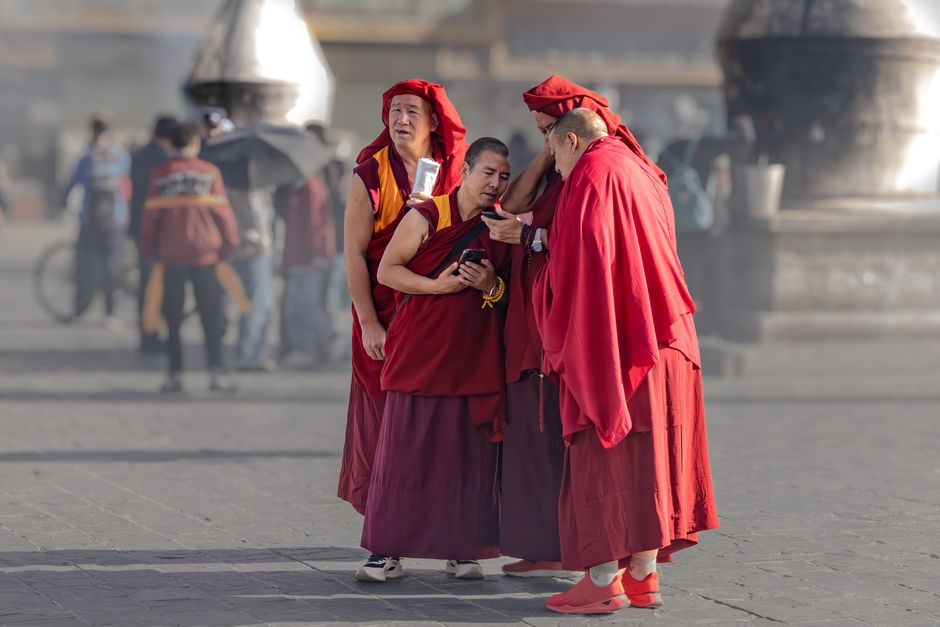
McLeod Ganj lets you study slowly. Above Dharamshala in the Kangra hills, the town hums with temple bells, momo steam and bookshop chatter. Monks in maroon robes cross paths with students carrying notebooks, and every lane seems to offer a class in language, philosophy or yoga. You can spend mornings learning Tibetan script, afternoons walking to Bhagsu waterfall and evenings talking over thukpa on Jogibara Road. If you want a study stay that feels human rather than hurried, start here.
Getting there: the classic student route is the overnight bus from Delhi ISBT Kashmere Gate to Dharamshala, which takes ten to twelve hours and costs roughly ₹600 to ₹1,000. The rail option is a train from Delhi to Pathankot in eight to ten hours for roughly ₹300 to ₹500 in sleeper class, then a bus to Dharamshala in about three hours for roughly ₹150 to ₹200. From Dharamshala take a local bus or shared taxi uphill in about thirty minutes for roughly ₹50 to ₹100. The nearest airport is Gaggal about 15 km away with flights from Delhi often under ₹4,000 if booked early. Confirm timings before festival weekends when seats fill fast.
What it costs: McLeod is kind to student wallets if you live like a local. Dorm beds and homestays run roughly ₹300 to ₹600 per night, with monthly deals cheaper in Dharamkot uphill. Food is thali momos thukpa and maggi for roughly ₹200 to ₹400 per day if you mix dhabas with an occasional cafe treat. Shared taxis are roughly ₹100 to ₹200 and entry fees are small at roughly ₹50 to ₹300. Short courses often ask a modest donation or materials fee, while longer yoga programs cost more. Budget roughly ₹12,000 to ₹18,000 for a month including stay food local travel and one short course.
Applying: begin with the Library of Tibetan Works and Archives, founded in 1971 and recognised as a Centre for Tibetan Studies. It runs a three month Intensive Translation Program from July 1 to September 30 and a two month Intensive Tibetan Studies Program, each admitting about thirty students. The translation program covers Buddhist philosophy plus Tibetan and English language and translation method, with four to five classes a day of sixty to ninety minutes. Attendance asks for about eighty percent presence, with Sundays and second third and fourth Saturdays off. Write early for the brochure, check language prerequisites and explore smaller trusts for beginner spoken Tibetan and weekend philosophy.
When to go: March to June is peak study season with pleasant days between 18C and 28C and a clear Triund trail. July to September brings monsoon rain, leeches on forest paths and cloudy views, so carry rain cover and plan indoor study. October to November is excellent with crisp air and fewer crowds, ideal for classes plus treks. December to February is cold with occasional snow, when many Dharamkot guesthouses close. Avoid monsoon if your main goal is trekking and avoid late December without warm gear.
Stay safe: McLeod is among the safer hill towns, but hillside sense still matters. No permit is needed for Indian nationals for town Dharamkot or Triund, just carry a government photo ID. Start Triund before midday to finish in four to five hours and carry water plus a windproof layer even on bright mornings. Rocks near Bhagsu turn slippery after rain. For legitimacy prefer institutes with a library, printed schedule and named teachers over flyers promising certificates in a day. Never pay full fees in cash without a receipt and be wary of agents who bundle stays and enlightenment in one package.
Sample week for study plus hills: day one settle near the main square or Dharamkot and visit Tsuglagkhang complex. Day two and day three join morning language and afternoon philosophy with evening notes rewriting. Day four takes Bhagsu waterfall plus Norbulingka Institute for thangka views. Day five and day six resume classes and add a volunteer hour in a conversation group. Day seven rests with journaling at a Dharamkot cafe. Teachers value attendance, so inform them before a trek day.
A month sketch: week one is orientation, script practice and finding the right tea stall. Week two builds rhythm with vocabulary revision and a cultural show at the Tibetan Institute of Performing Arts. Week three you can attempt Triund overnight, renting a tent at the ridge in season for roughly ₹300 to ₹500 and descending in about three hours next morning. Week four is consolidation and thank you notes to teachers and hosts. Many students stay on to volunteer a few hours a day, which keeps costs low.
Daily life is gentle and social. Mornings begin with temple kora and porridge, evenings bring guitar in cafes and prayer wheels turning. Dharamkot has coworking nooks and bulletin boards full of pottery and trek mates. Internet and ATMs work in McLeod, though power dips in storms. Carry sturdy shoes, a rain shell and a warm layer. Respect monastery silence, keep phones quiet and remove shoes where signs ask.
Foreign readers: most nationalities need a standard Indian tourist visa or eVisa arranged before arrival, with no extra inner line permit for this area, but check current rules for your passport and carry prints of visa and stay address. Dress modestly in temples, walk clockwise around shrines and ask before photographing monks. A few Hindi greetings plus tashi delek goes a long way. Drink bottled or filtered water and give way to porters on narrow trails.
You will leave with a notebook of new script and friends across continents. If a hillside study month calls to you, read our McLeod Ganj guide for Triund logistics, Bhagsu walks and hostel lanes to plan your stay.