
Mexico City: Roma, Condesa & the Zocalo
Youth Travel India ·
Mexico City on a student budget: Roma, Condesa, Zocalo sights, metro fares and a three-day plan.
Mexico City is the highest, biggest, oldest capital in the Americas, and its coolest neighbourhoods sit within a few metro stops of each other. Roma and Condesa give you art deco streets, espresso bars, and park walks under jacarandas, while the Zocalo historic centre stacks a cathedral, an Aztec temple, and revolutionary murals into one walkable grid.
Getting there and around is famously cheap once you land. From Benito Juárez International Airport the metrobus express and metro connections reach Roma and Condesa in under an hour for only a handful of pesos, while official airport taxis and app rides cost a few hundred pesos depending on traffic. Buy a rechargeable transit card and ride everything: metro trips cost only a few pesos each, roughly MXN 5 or about ₹25, and metrobus and light rail rides sit only slightly higher. The system is vast and signed in pictograms, so avoid rush hours with big bags and use app rides after midnight.
What it costs per day keeps the capital among the great mid-range student cities. A hostel dorm in Roma, Condesa, or the historic centre typically runs roughly MXN 300 to MXN 650 a night, or about ₹1,400 to ₹3,000, with design hostels and privates higher. Street food is the budget superpower: tacos, tamales, elotes corn cups, and tortas run tens of pesos each, a comida corrida set lunch is often MXN 100 to MXN 180, and dinner at a Roma bistro stays reasonable. Add transit, museum entries, and coffee stops, and many students spend roughly MXN 800 to MXN 1,500 a day all in, or about ₹3,600 to ₹6,800. Check the current exchange rate when you plan and treat figures as ranges.
When to go is mostly about rain and jacarandas. October to May brings dry sunny days perfect for walking Roma lanes and rooftop evenings, with March jacaranda bloom turning avenues purple. December to February mornings are crisp enough for a jacket at 2,240 metres altitude. June to September is the rainy season with sharp afternoon storms that flood streets briefly, so sightsee early and carry a light shell. Major holidays like Day of the Dead in early November and Independence weekend in mid-September are magical but book hostels out, so reserve ahead or pay more.
Roma and Condesa reward slow wandering above all. Start at Parque México in Condesa, loop its art deco streets and bookshop cafes, then cross into Roma for the food stalls of Mercado Roma and espresso on Plaza Río de Janeiro. Evenings belong to Roma: taco crawls, mezcal bars with tasting flights, and free live music in cantinas where the cover is simply that you order dinner.
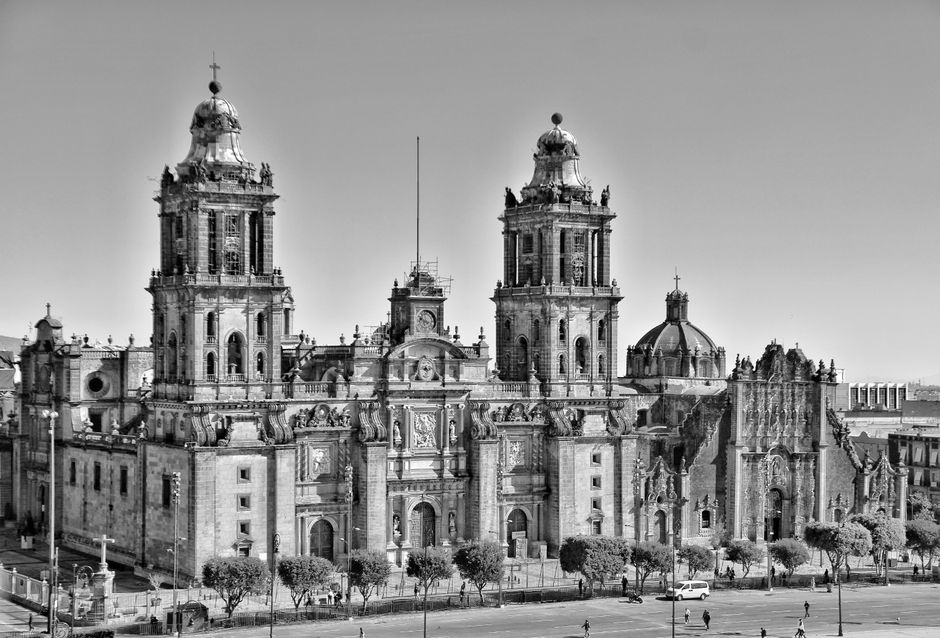
The Zocalo centre needs one full day on foot. The vast main square anchors the Metropolitan Cathedral, free to enter with paid tower and rooftop options, plus the National Palace with its Rivera murals, which needs ID registration. Beside the cathedral, the Templo Mayor museum and ruins reveal the Aztec pyramid the Spanish built over, with student-friendly admission in the low hundreds of pesos. Walk west through the pedestrian Madero street to the Palacio de Bellas Artes for its murals and weekend performances.
Chapultepec Park and Coyoacan fill day three beautifully. The park is among the largest urban forests in the world and completely free, with lakes, street performers, and castle hill views over the smog line. The National Museum of Anthropology inside it is the essential paid sight, with world-class Maya and Aztec halls that need at least three hours. Then ride south to Coyoacan for the Frida Kahlo museum, which requires timed tickets booked days ahead and costs a few hundred pesos.
Stay safe with altitude-aware city sense. The altitude plus sun plus nightlife combination flattens cocky travellers, so hydrate, pace the first day, and go easy on mezcal early in the trip. Keep phones zipped on the metro, use app rides at night, and agree fares before boarding street taxis.
A three-day sketch clusters by zone to save fares. Day one is Roma and Condesa on foot: park loops, markets, galleries, and a taco evening. Day two is the Zocalo centre: cathedral, Templo Mayor, murals, Bellas Artes, and a cantina dinner. Day three is Chapultepec morning with the anthropology museum plus Coyoacan afternoon and evening for Frida and plazas. Add a fourth day only for Teotihuacan or Xochimilco canals, both easy half-day escapes covered in companion guides.
Foreign readers should tune into local rhythms. Greet shopkeepers when entering, say provecho to neighbours when eating in shared spaces, and tip around 10 to 15 percent in sit-down restaurants. Carry small bills since vendors struggle with large notes, keep your passport locked up with only a copy on you, and learn basic allergy Spanish because lard, nuts, and shellfish hide in many dishes.
Papers first, always. Indian passport-holders generally need a Mexican visitor visa for stays up to 180 days, applied at the consulate with statements, employment or enrolment proof, and a non-refundable fee in local currency equivalent, so check the current fee and checklist on the consulate site weeks ahead. Some travellers holding valid visas or residence for certain other countries may be exempt, but exemptions change, so verify your exact case with the consulate rather than assuming. Apply at least a month before peak-season travel and keep copies of everything.
Mexico City rewards students who walk slowly and eat constantly. Let Roma mornings and Zocalo sunsets split your days like a local.