
Paddle Karnataka: Dandeli Kayaks, SUP & Gokarna Surf
Youth Travel India ·
Kali kayaks, calm SUP and beginner surf at Gokarna with costs and Hubballi access.
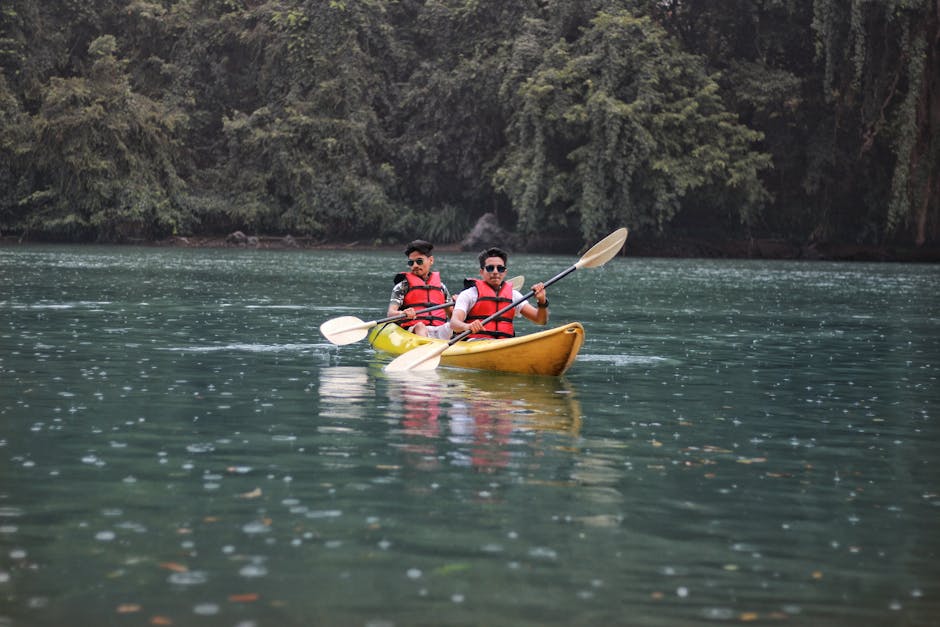
Karnataka lets you learn three water crafts in one easy loop. You kayak forest gorge on the Kali near Dandeli, you stand wobbly then steady on a SUP over calm backwater at dawn, and later you catch first white wash at Kudle in Gokarna with sand underfoot. No prior skill is needed, only a weekend, a bus seat, and cheer to fall in and climb back on. It suits students who want river plus sea without flying far.
Getting there: Hubballi is the hub for Dandeli, about 75 km away, with overnight buses from Bengaluru taking eight to nine hours for roughly ₹700 to ₹1,200 and trains to Alnavar plus local bus as a cheap link. Most rafting launches at Ganeshgudi on the Kali, and good operators include pickup and drop, so confirm that in writing. For Gokarna use Gokarna Road station, with sleepers often near ₹600 to ₹1,400 or buses via Ankola. Madgaon near 140 km is the nearest airport zone. Local buses link town to Kudle and Om for small fares.
What it costs: in the 2025 to 2026 seasons Dandeli short rafting of 1 to 2 km costs roughly ₹600 to ₹700, medium rafting of 5 to 6 km roughly ₹1,350 and long rafting of 9 to 11 km roughly ₹1,500 to ₹1,600. Kayaking costs roughly ₹300 to ₹1,000 and SUP costs a similar band. At Gokarna boards cost roughly ₹300 to ₹600 per hour, group lessons roughly ₹800 to ₹1,500 private lessons roughly ₹1,500 to ₹2,500 and surf camps roughly ₹6,000 to ₹10,000. Dorms cost roughly ₹500 to ₹1,200.
Grades help you choose. The Kali at Ganeshgudi runs about 9 km with Class 2 to Class 3 rapids named Roller Coaster and Washing Machine and Total Chaos, bouncy yet inside guided limits. Kayaks use calm channels to learn strokes before moving water. SUP uses glassy dawn backwaters for balance. Surf at Om and Kudle breaks on sand with small soft waves for beginners, with Half Moon and Paradise once you steer well. Waves of three to five feet are common.
When to go: October to February is prime for Dandeli with ideal post monsoon flows and fresh forest. March stays runnable but hot with lower water. Avoid June to September when the Kali runs dangerous and rafting halts. Gokarna surf runs wider October to May, with November often cleanest for learners and winter steady for small surf. Monsoon seas are rough and schools limit lessons. For both together pick November to February for best overlap of river and surf.
Stay safe: rules hold across river and sea. Wear a personal flotation device always on the Kali and use a leg leash and soft top boards for first surf, with helmets on raft runs and flagged zones for lessons. Pick licensed operators with certified guides, clear briefings on paddle calls and rip awareness, sound boats and throw bags. Respect monsoon bans, never paddle alone, stay inside zones, and walk away if briefings are skipped or gear looks worn or alcohol is allowed.
Who should pause is worth a check. Minimum raft age is often 12 years with upper age near 60 for fit adults, and surf schools take teens happy in chest deep water. Non swimmers can try SUP on calm water with an instructor near, but should skip long rafting until they float calmly in a jacket. Heart disease, asthma, epilepsy, recent fracture, back issues and pregnancy mean sit out moving water. Share fears with guides.
A sample three-day sketch keeps it cheap. Day one, bus to Hubballi then Dandeli, hostel check in, kayak plus SUP at sunset. Day two, morning 9 km raft at Ganeshgudi with about 90 minutes on water, afternoon bird walk, evening transit to Gokarna. Day three, morning 90 minute surf lesson at Kudle, afternoon trek Kudle to Om to Half Moon, sunset at Paradise. Add day four for pop up practice.
Keep water clean as you play. The Kali looks pristine yet camps gather bottles fast, and Gokarna tides bring plastic with each tourist wave. Carry a reusable bottle, refuse single-use plastic, take wrappers back to town, use camp and beach toilets not banks and dunes, and keep soap from rivers. Favour homestays that hire locally, sort waste, use solar lights and keep music low near forests. Leave no trace is a working rule not an extra, and small groups tread lighter.
For foreign readers: this loop is friendly with basic planning. Carry passport with valid India visa and phone copies for hostel and school logs, plus insurance covering rafting and surfing since base plans often exclude them. Dress modestly away from sand in towns and temples, change only in rooms, ask before photos of fishers and village life, and respect hut quiet hours. Tap water is unsafe, so use filtered water. Book buses and trains ahead on weekends. A polite namaste smooths each link.
Practical notes close the loop. Pack quick-dry shorts and tees, strapped sandals, sunscreen with string, a dry pouch, and light fleece for Dandeli dawns. Eat light before paddling, drink water between sets, avoid alcohol before water time, and leave phones in lockers unless a sealed case is allowed. Start on land with a forest walk before paddling, since land gives slow feedback while water punishes rush. Pick a grade that fits and let guides hold you in flow.
Our source book calls this gentle softening, where expedition crafts become guided products so more can enter safely. Managed risk with guides and briefings and gear turns a rapid or first wave from rashness to learning. The author learned to read water not fight it before a Beas run with an Air Force multi-sport team, a lesson made for Kali and Gokarna alike.
Route craft, safety thinking and expedition notes in this guide draw on Dr Satinder Singh Malik's Adventure Tourism in India.