
Pushkar: Ghats, Fair & Desert Faith
Youth Travel India ·
Sacred lake, 52 ghats and camel fair chaos, done slow and cheap from Ajmer.
→ Our Pushkar destination guide: costs, itinerary and hacks
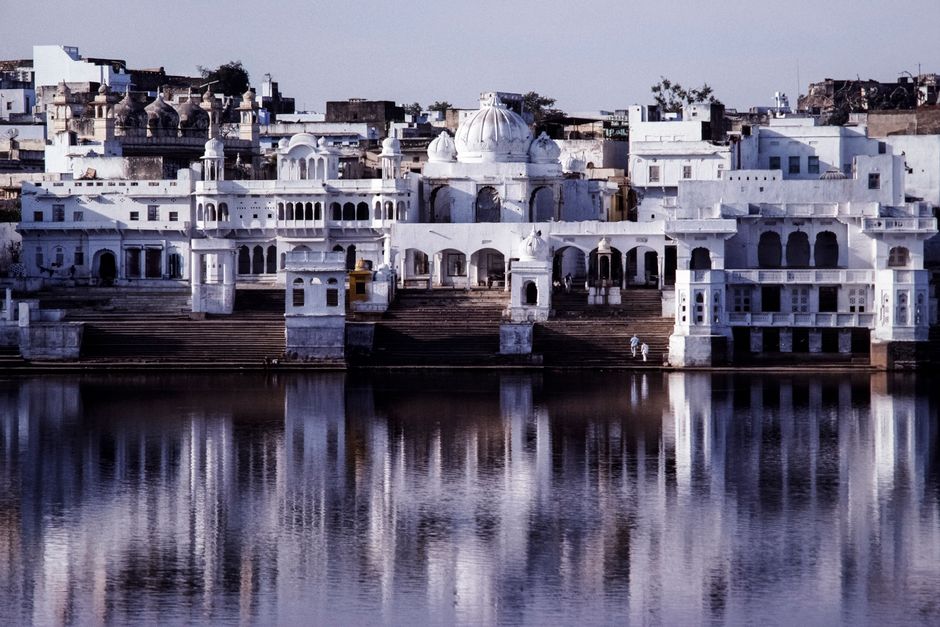
Pushkar is small enough to cross on foot in half an hour, yet it holds one of the oldest pilgrim stories in Rajasthan. The town curls around a sacred lake with 52 ghats, with one of the very few Brahma temples in the world at its edge. You will share the lanes with sadhus, herders, backpackers and shopkeepers selling rose petals and silver anklets. It is calm and a little theatrical at once, and it works best when you slow down and let the lake set the pace for a couple of days.
Getting there: take a train to Ajmer Junction, about 15 km from Pushkar. Delhi to Ajmer takes six to eight hours, sleeper roughly ₹350 to ₹550, three tier AC roughly ₹900 to ₹1,400 so check current IRCTC fares. Local buses leave every 15 minutes for ₹40 to ₹80 and take 30 to 45 minutes. A full auto is ₹300 to ₹500. Night buses Delhi to Pushkar are ₹600 to ₹1,000. Nearest airport Jaipur, 150 km away, then bus or train to Ajmer.
What it costs: Pushkar suits students outside fair week. Dorms near the lake are ₹300 to ₹600, simple private rooms ₹700 to ₹1,400. Temple thalis are ₹120 to ₹250, rooftop cafe meals ₹250 to ₹450. The core is walkable, so daily transport is often ₹50 to ₹150. Keep ₹100 to ₹300 for offerings. A comfortable day lands near ₹900 to ₹1,600 so check current rates as you book.
When to go: October to March is the sweet window, with clear skies, cool nights and busy cafes. The Camel Fair gathers around Kartik Purnima, usually in October or November, and dates shift each year with the full moon, so confirm on the Rajasthan tourism calendar before booking. Fair week is magical but crowded, with rooms filling months ahead and rates doubling. April to June brings fierce heat above 40 C and a quiet town. July to September fills the lake with rain but turns humid. December and January nights feel chilly by the water, so bring a light jacket.
Stay safe: Indians need no permit, foreign guests need the usual Indian visa plus passport for hotels. Temples and ghats ask for shoe removal and modest dress. Main hassle is donation pressure, as guides may offer a blessing then ask ₹500 to ₹1,000. A firm no at the start avoids trouble. Town is vegetarian and alcohol free, so do not carry liquor in public. Lanes quieten after 10 pm, so stay central late and use lockers.
Day one is for arrival and the lake circle. Reach by early afternoon and check in near the main market or Choti Basti side. Walk the parikrama path clockwise around the water, about an hour at a slow pace, passing busy Gau Ghat and quieter stretches beyond. Pause for chai at a rooftop overlooking the lake. Visit the Brahma Temple in late afternoon, leaving cameras and leather outside as asked. Stay for the small evening aarti at Varah Ghat, gentler than Haridwar or Varanasi, then eat early and rest.
Day two is for the hill and the bazaar. Rise before sunrise for Savitri Temple on the ridge, a steady climb of 40 to 60 minutes on stone steps. Dawn views over the lake, white houses and desert edge are the best free sight in town. Come down and rest through midday heat with lassi and parathas. Spend the afternoon in the main bazaar for textiles, silver, leather diaries and rose goods, bargaining gently from about half the first quote. Near sunset, take an auto to the dunes edge for camel carts, fixing the price clearly before you ride.
Day three gives you a choice. For culture, bus 30 minutes to Ajmer to see the Sharif Dargah of Khwaja Moinuddin Chishti, Ana Sagar lakefront and the museum, then return for lunch in Pushkar. For desert life in season, head 3 km to the fairgrounds, where camels, horses and cattle gather with herders in bright turbans plus folk music and craft stalls. Ground entry is usually free or a small charge. Keep the evening free for a last quiet sit at a far ghat and catch an evening bus or train onward with time to spare.
Etiquette matters because the lake is living faith, not a backdrop. Remove shoes on ghats, cover shoulders and knees, sit to watch rituals, ask before photographing people. Avoid soap in the water, keep voices low, no smoking near ghats. For foreign readers, Pushkar is easy small town India, with hostel English, UPI plus cash, ATMs on the main road, walkable core. Carry passport copy, drink filtered water, keep a scarf for shrines.
Student notes make it smoother. Lanes behind the Brahma Temple offer cheap walk in beds, often ₹100 to ₹200 below online rates outside fair week, but book ahead for fair itself. Use mornings for temples and hikes, afternoons for cafe rest, evenings for ghats, to dodge heat and crowds. Refill water at hostel filters. If a flower seller follows you, fold hands, say no thanks once and keep walking. Leave Pushkar at least three hours before a long-distance train, as fair traffic can delay buses, so check current timings on the day of travel.
Linger if you can. Two full days cover lake, temple, hill and bazaar, three days add Ajmer or the fairgrounds without rush. Travel light, keep small change for buses, and save dusk for the water, when bells ring and pigeons circle the ghats. That blue hour is the memory you will carry home. For route basics and town tips, our linked Pushkar destination guide pairs well with this walk, so check current fares and fair dates before you set out.