
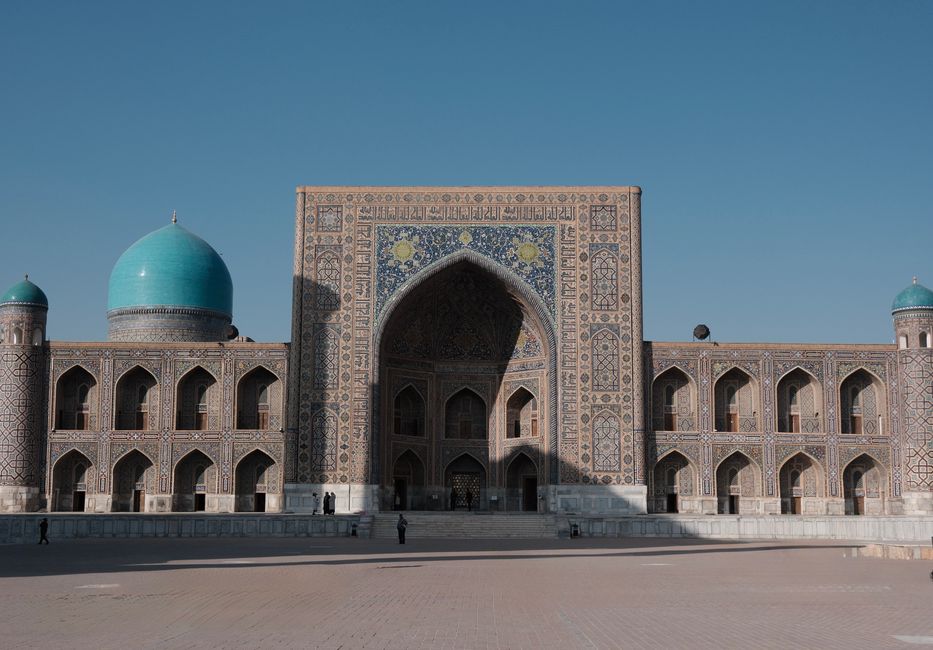
Samarkand: Blue Domes of the Silk Road
Youth Travel India ·
Samarkand on a student budget: Registan by day and night, Silk Road history and cheap high-speed trains.
Samarkand looks like a storybook and rides like a modern student city. One moment you stand under turquoise tiles that glow at sunset, the next you tap a card on a spotless Afrosiyob train. It is one of the oldest cities on the Silk Road and also one of the easiest historic cities in Central Asia for a first independent trip. UNESCO listed Samarkand as Crossroad of Cultures in 2001.
A little history makes the tiles mean more. The ancient settlement of Afrasiab goes back to the seventh century before the common era, and the city reached special glory in the Timurid period from the fourteenth to the fifteenth centuries. Major monuments include the Registan mosque and madrasas, the Bibi Khanum Mosque, the Shah i Zinda compound, the Gur i Emir ensemble and the remains of Ulugh Beg Observatory. Timurid masters shaped design across the region, with influence felt later in Persian, Mughal and Ottoman building.
Getting there: most Indian students fly Delhi to Tashkent, then ride west to Samarkand. Air fares vary widely, often roughly ₹30,000 to ₹55,000 return in shoulder season, so check current prices early. From Tashkent North station take the Afrosiyob high-speed train to Samarkand station in about two to two and a half hours for roughly 150000 to 300000 som in economy depending on class and day. Sharq and night trains cost less but take longer. In town, buses cost only a few thousand som, while taxis booked by app are cheap and safer than street hails.
What it costs: Samarkand is kind to student wallets. A hostel dorm near the Registan costs roughly 150000 to 300000 som, which is roughly ₹1,000 to ₹2,000 at recent rates. A simple private double in a family guesthouse is roughly 400000 to 700000 som. Plov, lagman, samsa, bread and salads in chaykhanas cost roughly 40000 to 120000 som per meal. Plan roughly 500000 to 900000 som per day all in, which is roughly ₹3,400 to ₹6,200 plus intercity trains. Check current exchange before you lock a budget.
When to go: aim for April to June and September to October when skies are blue and walking is comfortable. Spring brings green boulevards and longer days for Shah i Zinda in soft light. Autumn harvest means great fruit in Siyob Bazaar. Avoid July and August heat when midday sightseeing feels heavy, and January deep cold when day trips slow down. Night visits to the Registan are best in mild months.
Stay safe: Samarkand is generally calm, with wide streets and visible police presence around monuments. Use app taxis at night and keep cash split between pockets. For visas, Indian passport holders can generally use the Uzbekistan eVisa portal for a short tourist stay, with fees often around 20 to 25 dollars plus service charges, which is roughly ₹1,700 to ₹2,200 so check current rules on the official portal before you pay. Keep a copy of the registration slip from your hotel.
Day one sketch for the great core. Start at the Registan early to beat tour groups, entering all three madrasas. Walk to Bibi Khanum Mosque and the Siyob Bazaar for lunch plov, then rest. In late afternoon visit Shah i Zinda from the lower gate upward so the blue lane builds to a climax, staying for golden hour. Return to the Registan after dark for the light show on some evenings.
Day two and three sketch for science and old earth. Spend morning two at Gur i Emir, then at the Afrasiab Museum and settlement mounds to grasp how deep the city goes. In the afternoon visit Ulugh Beg Observatory and read how a prince mapped stars with a giant arc. On day three choose Bukhara by fast train for a long day or stay slow with the paper mill at Konigil and sunset at Hazrat Khizr Mosque.
Culture and etiquette are simple and warm. Greet elders first, remove shoes where asked in homes and some shrines, and dress modestly at Shah i Zinda and mosques. Bargain lightly in bazaars but accept fixed prices in museums. If invited home, bring fruit or sweets and accept tea. Photography of the Registan is welcome, but tripods and drones need permission. Keep your student card ready, since some museums give discounts.
For foreign readers: carry your passport and keep hotel registration slips together, since intercity checks are common. ATMs and exchange offices cluster near the Registan and the station, but stock some cash before Sundays and holidays. Russian and Uzbek help more than English outside hotels, so save key phrases offline and download maps. Dress for sun and dust in summer and for icy paths in winter.
Samarkand rewards students who mix wonder with method. See one great site deeply each morning, write notes over tea each afternoon, and let the blue domes do the rest. You do not need a big budget to feel the Silk Road here, only good shoes, a train ticket booked ahead, and time to look up. Leave an evening free with no plan except the Registan bench.