
Tokyo Neighbourhood by Neighbourhood
Youth Travel India ·
Tokyo ward by ward on a student budget: trains, food, costs and a three-day neighbourhood plan.
Tokyo is not one city but a dozen cities stapled together by train lines, and the trick is to stop trying to see all of it. Pick a neighbourhood each half day, learn its rhythm, eat what it eats, and ride the rails between them like a local. Shinjuku blares, Shimokitazawa murmurs, Yanaka shuffles along in old wooden lanes, and the gaps between them are half the fun. This guide walks you ward by ward on a budget that keeps the vending machines happily fed.
Getting there and around starts at Narita or Haneda airport, and the budget choice is the regular train. From Narita the Access and Sobu services reach central Tokyo in about 70 to 90 minutes for roughly JPY 1,000 to JPY 1,300, or about ₹550 to ₹750, while from Haneda the monorail or Keikyu line costs a few hundred yen and takes under 30 minutes. Inside the city, buy an IC card like Suica or Pasmo and tap through everything: typical rides cost roughly JPY 180 to JPY 320 a hop, and the Yamanote loop circles all the headline neighbourhoods. A 24, 48, or 72-hour Subway Ticket in the range of roughly JPY 800 to JPY 1,800 suits ride-heavy days, so compare it against your plans.
What it costs per day surprises students both ways: beds sting, food delights. A hostel dorm in Asakusa, Ueno, or Ikebukuro typically runs roughly JPY 3,000 to JPY 5,500 a night, or about ₹1,700 to ₹3,100. But eating is glorious value: convenience-store rice balls, standing noodle bars, gyudon chains, and discounted supermarket bento after 7 PM keep meals at roughly JPY 500 to JPY 1,200 each. Add trains, temple donations, and a museum, and many students spend roughly JPY 8,000 to JPY 14,000 a day all in, or about ₹4,500 to ₹8,000. Check the current exchange rate, since the yen moves around.
When to go shapes the whole trip. Late March to early April brings cherry blossoms and peak hostel prices, so book dorms weeks ahead for sakura. October to November offers crisp air, autumn colour, and calmer crowds, arguably the best student window. June is rainy, August is hot and humid with festival fireworks, and winter is cold but brilliantly clear with the cheapest beds. Golden Week in late April and the New Year closures squeeze transport and shut small shops, so avoid those weeks.
Start in the east, where old Tokyo survives. Asakusa pairs the Sensōji temple and Nakamise shopping street with old-school eateries, and mornings beat the tour buses. Nearby Ueno stacks national museums, a lotus pond, and Ameyoko market stalls into one afternoon. End the day in Yanaka Ginza, a low-rise street of croquettes and coffee kissaten that shows the shitamachi old town the neon districts replaced.
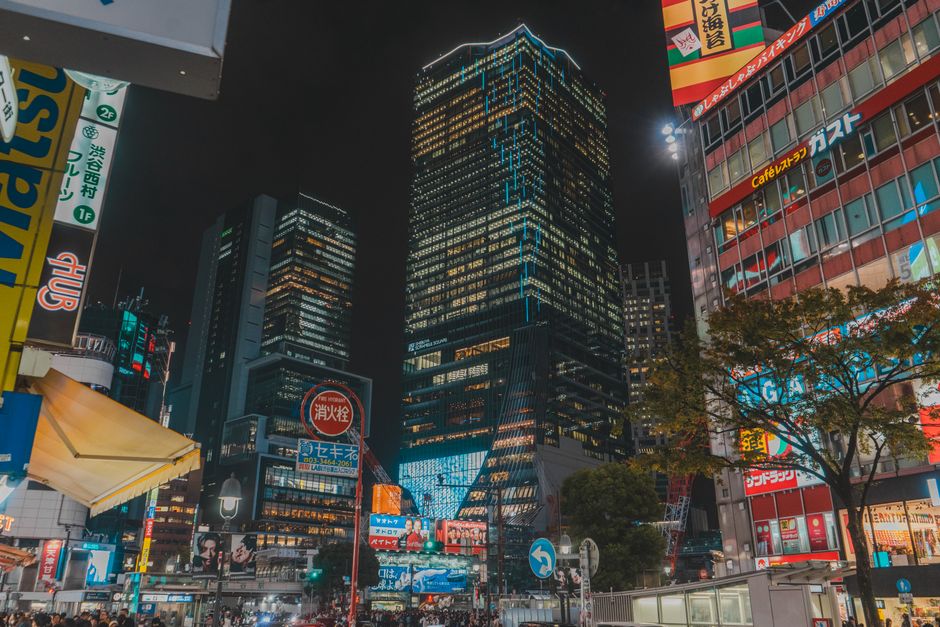
Shibuya, Shinjuku, and Harajuku form the electric west. Cross Shibuya scramble, then walk to Harajuku for Meiji Shrine calm followed by Takeshita street chaos. Shimokitazawa, two stops away, is the student soul of the city: vintage shops, tiny theatres, curry joints, and record bars along walkable lanes. Do Shinjuku after dark for the neon canyon viewed from main streets, the free observatory at the Metropolitan Government Building, and skewers in Omoide Yokocho under the tracks.
South and centre add contrast on day three. Akihabara sells every gadget and manga dream with tax-free counters and arcade floors that cost nothing to browse. The Imperial Palace East Gardens are free and lovely for a picnic pause. Then ride to Odaiba for the waterfront and sunset over the Rainbow Bridge, or stay central for Tokyo Station's red-brick face and basement food halls. Pick one evening anchor rather than racing the whole map after dark.
Stay safe by following rules that are strict but simple. Trains stop around midnight, so note the last-train time or budget for a manga cafe overnight, which many students use as a cheap crash pad. Taxis at night are metered and expensive. Keep bags off seats in rush hour, queue in the painted lines, set phones to silent mode, and never eat while walking through crowded stations. Bar touts in nightlife strips target tourists, so walk past anyone beckoning you into a club.
A three-day sketch clusters by train line. Day one is the east: Asakusa morning, Ueno and Ameyoko afternoon, Yanaka sunset. Day two is the west: Meiji Shrine and Harajuku, Shibuya crossing, Shimokitazawa evening for vintage and live music. Day three is centre and south: palace gardens, Akihabara browsing, Odaiba sunset. Eat near where you sleep to save late fares, and front-load paid sights into fresh-legged mornings.
Foreign readers, Japan rewards quiet observance. Bow slightly when thanking, queue without being asked, speak softly on trains, and carry cash since small shops and temples may not take cards. Take shoes off where others do, never tip, and sort rubbish carefully because bins are rare. Tattooed travellers should check bathhouse policies in advance, since many restrict tattoos. A little etiquette unlocks enormous kindness.
Papers first, fun second. Indian residents can apply for the Japan eVisa for short tourism stays, with applications routed through accredited agencies and the visa issued electronically for phone display at the airport. Consular fees were revised to roughly JPY 15,000 for single entry from mid-2026, payable in local equivalent plus agency charges, but confirm the current amount before applying. Apply at least three to four weeks out, keep hotel and bank documents ready, and never book non-refundable flights first.
Tokyo rewards depth over breadth. Learn three neighbourhoods properly instead of photographing ten, eat where office workers queue, and ride the Yamanote loop with no destination at least once. The city will still be there next trip, feeling like an old friend.