Torres del Paine: The W Trek in Patagonia
Youth Travel India ·
Torres del Paine W trek on a student budget with buses, refugios, fees and a 5-day trail sketch.
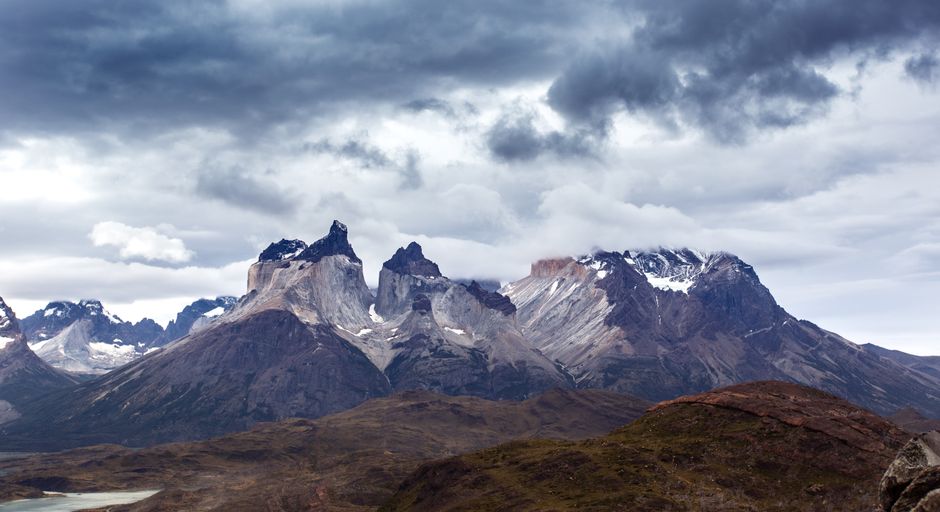
The W is Patagonia's most famous walk, and it earns the hype when the granite towers catch first light. Torres del Paine National Park sits in Chile's Magallanes region, protecting about 227,298 hectares of steppe, forest, lakes, and ice, and listed as a UNESCO Biosphere Reserve since 1978. The W links three valleys over 4 to 5 days. This guide shows how to do it on a student budget without cutting safety corners.
Getting there: fly Delhi to Santiago, then take a low-cost domestic flight south to Punta Arenas, with return international fares often roughly ₹85,000 to ₹1,40,000 if booked early, check current prices. From Punta Arenas take a 3-hour bus to Puerto Natales for roughly CLP 8,000 to CLP 12,000, about ₹800 to ₹1,200. CONAF notes regular buses leave Puerto Natales for the park at about 7.30 and 14.30 for Laguna Amarga, Pudeto, and the administration area. Budget 2 buffer nights in Puerto Natales for wind delays and food shopping.
What it costs: Patagonia is expensive, but camping and self-catering keep daily maths honest. Dorm beds in Puerto Natales cost roughly CLP 15,000 to CLP 30,000, about ₹1,400 to ₹2,800. Inside the park a campsite pitch costs roughly CLP 15,000 to CLP 35,000 per night, about ₹1,400 to ₹3,300, while a refugio dorm bed costs roughly CLP 60,000 to CLP 120,000. Refugio meals run roughly CLP 15,000 to CLP 25,000 each, so most students carry pasta, oats, cheese, and soup from town. Plan roughly CLP 50,000 to CLP 90,000 per trail day all in, about ₹4,800 to ₹8,600, and check current operator prices.
When to go: late November to early March is the main season with the longest days, open services, and the strongest winds. Expect sunshine, rain, hail, and gusts above 100 kilometres per hour in the same afternoon, even in January. October and April are quieter and cheaper but colder with some services closed. Avoid May to September for a first W, because snow, short days, and winter rules apply, and CONAF keeps the longer O circuit closed from May until 31 October 2026. Always check the official CONAF and Pases Parques pages before you lock dates.
Stay safe: Torres del Paine is managed by CONAF, and entry tickets must be bought in advance on the official Pases Parques site, with prices varying by nationality and season, so check current fees. Fires of any kind are strictly banned under Chilean law, including gas stoves outside authorised camping areas, with fines up to about CLP 2,000,000 or even jail time. Stay on marked trails, walk only in daylight, carry layers plus a windproof shell, and note the park emergency radio frequency VHF 143.800 MHz. Cell signal exists only around Villa Monzino on some networks, so download offline maps.
Sleeping on the W: bookings are the hardest part, not walking. Refugios and campsites are run by private concessionaires and sell out months ahead for December to February, so reserve as soon as flights are fixed. A classic line is Paine Grande, Frances or Cuernos, and Chileno or Central, which sets up Base Torres at dawn. Camping is far cheaper than refugio beds, and most camps have shops, showers, and kitchens for a fee. Bring earplugs, a warm bag, and cash in Chilean pesos.
Day-by-day sketch, days 1 to 2: Day 1, bus to Pudeto, catamaran across Lago Pehoe, and walk about 2.5 hours to Paine Grande. Drop bags, then walk up to the French Valley viewpoint for glaciers and horn-like walls, about 7.5 kilometres each way. Day 2, traverse beneath Los Cuernos to Frances or Cuernos camp, about 12 kilometres in 4 to 5 hours. Cook, dry socks, and sleep early.
Day-by-day sketch, days 3 to 5: Day 3, walk to Central via the Nordenskjold trail, about 11 to 13 kilometres, then rest. Day 4, leave around 3.00 for Base Torres, about 20 to 22 kilometres return in 8 to 9 hours. The final moraine is steep, so take poles, headlamps, and 2 litres of water. Day 5, walk out to Laguna Amarga for the morning bus, then celebrate with a proper meal.
Food and packing the student way: Puerto Natales has good supermarkets for trail food, plus cheap empanadas, sandwiches, and set-menu lunches near the bus terminal. Carry 4 to 5 days of breakfasts, lunches, and snacks, then buy 1 or 2 hot refugio dinners to save weight. Pack a windproof jacket, fleece, gloves, sun cap, blister kit, and a power bank, because charging costs extra. Rent poles, tents, and mats in town if you fly light.
Visas and money for Indian passports: Indian citizens need a Chilean tourist visa before travel through the consulate or authorised centre, with fees roughly US$50 to US$80 plus service charges, check current listings. Carry printed park tickets, campsite vouchers, onward flights, and insurance documents. ATMs in Puerto Natales can run out in high season, so arrive with some Chilean pesos. Refugios and buses often prefer cash.
For foreign readers: Chile is welcoming but formal in parks, so greet refugio staff, queue quietly, and pack out all rubbish including food waste. Spanish is the working language, and a few phrases plus offline translation go a long way in Puerto Natales. Tipping around 10 percent is customary in sit-down restaurants when service is good. Alcohol is banned inside the national park, drones need prior CONAF permission and are generally refused, and feeding guanacos, foxes, or condors is strictly forbidden.
You will finish tired, windswept, and unwilling to leave. Keep 1 spare day for Laguna Azul or Milodon Cave if weather turns. Check CONAF advisories in the final week, because wind closures and catamaran times change fast. With early bookings, shared tents, and self-cooked meals, the W fits a student budget.