
Uluru: Respect, Culture & the Red Centre
Youth Travel India ·
Uluru with respect with passes base walks culture costs seasons visas and Red Centre care.
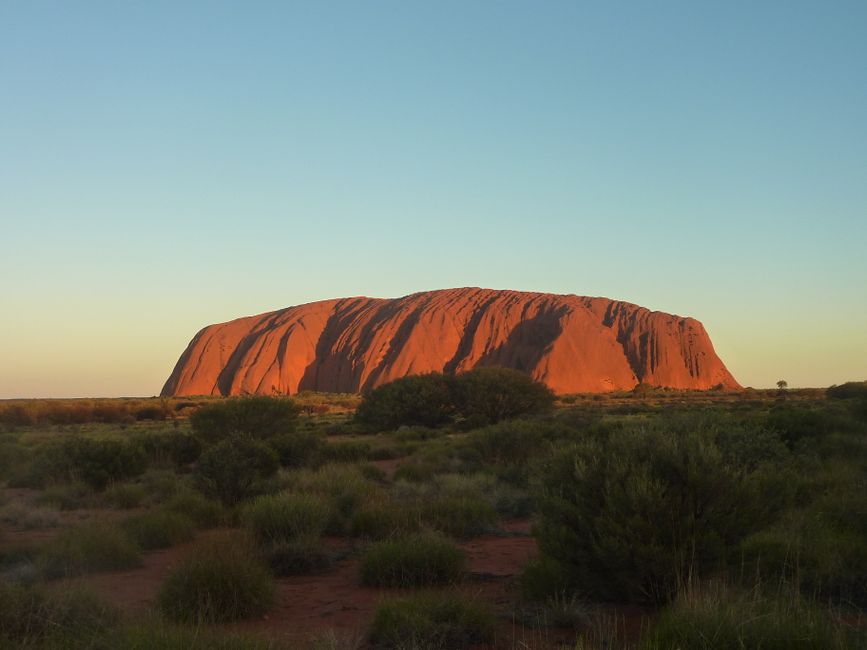
Uluru is not a photo stop but a living cultural landscape where, as its Anangu traditional owners teach, land and memory are one. The great red monolith shifts from rust to flame at sunset, while stories rest in every crevice and waterhole. Visiting with respect means learning first, walking quietly and letting culture lead your plans rather than chasing icons.
Getting there: fly from India to Sydney or Melbourne, then on to Ayers Rock airport (AYQ) near Yulara. A free resort shuttle meets flights; otherwise a transfer costs roughly AUD 10 to 20 (₹550 to ₹1,100). Return fares from India to Australia often run ₹55,000 to ₹85,000 booked early, plus the domestic flight to Ayers Rock at roughly AUD 200 to 350 (₹11,000 to ₹19,300), so book the desert leg early.
What it costs: plan roughly ₹9,000 to ₹14,000 a day with camping or lodge dorms and self-catering. A pitch at the Ayers Rock Campground costs roughly AUD 40 to 60 a night (₹2,200 to ₹3,300), split between friends. A dorm bed at the Outback Pioneer Lodge costs AUD 55 to 85 (₹3,000 to ₹4,700). Supermarket food runs AUD 15 to 28 a day. Everyone needs a park pass, about AUD 38 for an adult for three days (₹2,100), with under-18s free; buy it online.
When to go: May to September brings cool walking days, clear desert light and full ranger programmes. Mornings near zero give way to mild afternoons, perfect for the base walk. October and April are shoulder months, with flies building and heat rising. From December to February, temperatures can pass 40 degrees and some walks close from late morning for safety, so carry at least three litres of water and check the heat-closure rules.
Stay safe: desert heat and distance are serious, so walk before ten in the morning or after four in the afternoon, with a wide hat and sunscreen. Never try to climb Uluru: the climb closed permanently in 2019, out of respect for Anangu law and for safety. Stay on marked tracks and keep out of closed areas. Indian students usually need an Australian Visitor visa (subclass 600), applied for online; the fee is about AUD 200, so check the Home Affairs site and apply weeks ahead with proof of funds and onward tickets.
Your three-day sketch puts culture first. On day one, visit the Cultural Centre to learn about Tjukurpa, the Anangu law and creation stories, and the photography rules, before you set foot on a trail. In the afternoon, walk the Mala section at the base, with a free ranger talk if one is running. Stay for sunset at the official viewing area; drones are banned. Eat early and sleep for a dawn start.
On day two, rise for sunrise and the full base walk. The 10-kilometre loop around Uluru takes three to four hours, with stops at Kantju Gorge and the Mutitjulu waterhole. Pause at the rock-art galleries and read the signs marking sensitive places where photos are not allowed. Rest at camp through midday, then visit Maruku Arts to hear the stories behind the dot paintings. The stars at night blaze far from any city glow.
On day three, visit Kata Tjuta for a different magic. The Valley of the Winds or Walpa Gorge walks lead between huge domes and echoing valleys, and need fitness and closed shoes. If time is short, choose the shorter gorge walk and the viewpoint. Then take the afternoon transfer to the airport, or drive on to Kings Canyon. Three days give you the rock, the domes and the culture without heat stress.
Sleep and eat smart in the Red Centre. Yulara's shops are expensive, so bring staples from Alice Springs if you are driving, and cook in the camp kitchens. Label your food in busy hostel kitchens. Carry a fly net in the shoulder months, and refill water at the free stations. Share fuel in one car, and download the official park app for maps, because phone signal drops quickly.
Parks Australia notes that pass money goes back into facilities, heritage and the community, including a share for Anangu. The park is on UNESCO's list for both its natural and its cultural values, which is rare. Free ranger-guided Mala walks explain plants as pharmacy and seasons as calendar. Your respectful attention supports joint management that blends science with living knowledge.
For foreign readers: never photograph sites marked as sensitive, and never take stones or sand as souvenirs. Ask before photographing Anangu people and guides, and listen more than you speak. Keep your voice low at waterholes, which are sacred. Keep copies of your passport, visa grant and park pass on your phone and the originals locked away. Many European visitors use the eVisitor or ETA, while Indian students need the visitor visa. Walk with humility and the desert teaches.