Yellowstone: Geysers, Bison & Bear Spray
Youth Travel India ·
Yellowstone on a student budget with geysers bison safety passes buses camps and bear spray basics.
Yellowstone feels like another planet stitched inside one park: geysers that erupt on schedule, bison that own the road and valleys that glow at dawn. For a student wildlife lover it is a dream that still works on a budget if you camp, share a car and plan around the seasons. You trade hotels for tents and restaurants for a cooler box, and gain dawn choruses, starry nights and stories for years.
Getting there: fly from India to Bozeman (BZN) or Jackson (JAC), or to Salt Lake City for cheaper fares, then use shuttles to West Yellowstone or Gardiner. An airport shuttle from Bozeman to West Yellowstone costs roughly US$60 to US$90 (about ₹5,200 to ₹7,800). From Salt Lake City, a long-distance bus reaches Jackson, with seasonal shuttles north. Return fares from India often run ₹65,000 to ₹95,000 booked early. Inside the park public transport barely exists, so join a hostel carpool or split a rental car four ways.
What it costs: plan roughly ₹7,000 to ₹11,000 a day if you camp and cook. A park campsite costs roughly US$30 to US$45 a night per site (about ₹2,600 to ₹3,900), split between tents. A dorm bed in West Yellowstone costs US$45 to US$75 (about ₹3,900 to ₹6,500). Groceries run roughly US$15 to US$25 a day. Entry is US$35 per private vehicle for seven days, and from 2026 non-residents aged 16 and over also pay a US$100 surcharge unless they hold the annual pass, so check current fees on the NPS site.
When to go: late May to September brings open roads, full services and active wildlife. June has newborn animals and wildflowers; September has bugling elk and thinner crowds. Most park roads close to regular cars from early November until spring, and only the road from the North Entrance through Mammoth to the Northeast Entrance stays open all year. Avoid deep winter unless you book a guided snowcoach, because private cars cannot roam and temperatures plunge far below freezing.
Stay safe: this is real bear country, so carry bear spray, one per person, and know how to use it. Store all food and scented items in bear boxes or hard-sided canisters. Stay at least 100 yards (91 metres) from bears and wolves and 25 yards (23 metres) from bison and elk, and never block traffic for photos. Thermal ground is fragile and scalding, so stay on boardwalks. For visas, Indian students usually need a US B1/B2 visitor visa; the application fee is US$185 plus any new surcharges, and interview waits vary, so apply months ahead.
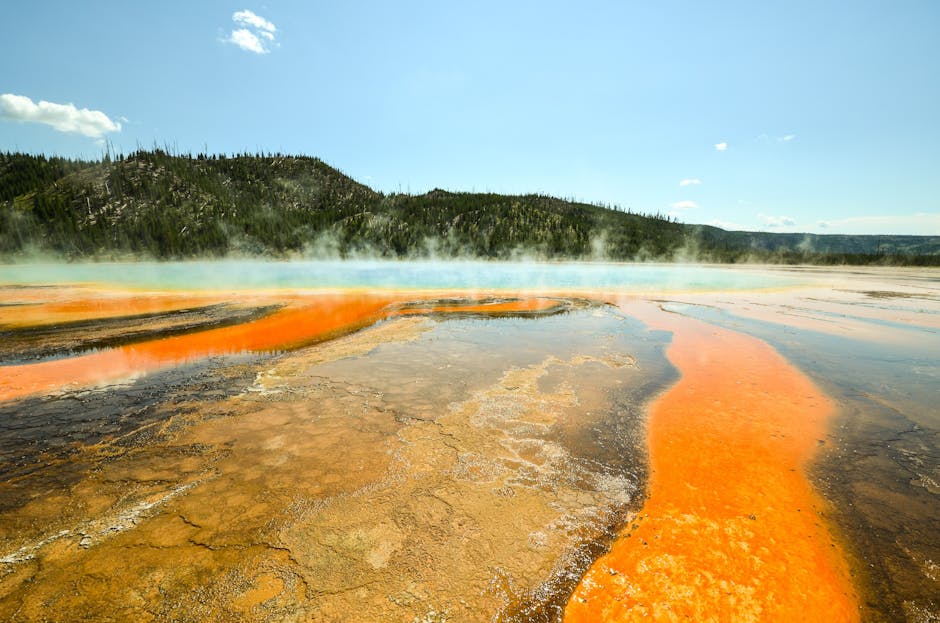
Your three-day sketch starts at Old Faithful and the geyser basins. Enter from West Yellowstone and walk the Upper Geyser Basin for Old Faithful, Grand Geyser and Morning Glory Pool. Continue to Grand Prismatic Spring at Midway Geyser Basin, whose rainbow colours look best near midday. Sleep at Madison campground, or return to a West Yellowstone hostel for a kitchen dinner and an early night.
On day two, rise before dawn for wildlife in the Lamar Valley. Drive via Tower Junction and scan for bison, pronghorn and bears from safe pullouts, where wolf watchers often share their spotting scopes. Visit the Mammoth Hot Springs terraces at midday for travertine formations and elk on the lawns. The famous Boiling River soak has been closed since the 2022 floods, so check before you plan a swim anywhere. Finish with sunset at Undine Falls.
On day three, explore the Grand Canyon of the Yellowstone. Walk to Artist Point and the Brink of the Lower Falls for thunder and rainbows. Stop in the Hayden Valley for pelicans, bison and perhaps a distant grizzly. Leave in the afternoon by the south or west entrance, filling up at gateway towns, because fuel inside the park is scarce and pricey. Three days gives you geysers, wildlife and canyon without rushing.
Sleep and eat smart and Yellowstone stays within reach. Book campsites the moment reservations open, because summer sites vanish fast and walk-up options are few. Cook oats for breakfast and pasta at night, and pack trail lunches to avoid lodge prices. Carry two litres of water and warm layers, because weather can flip from sun to hail in an hour above 7,000 feet. Split cooler ice and stove fuel across the group.
Backcountry nights need a permit, with a nightly fee and a reservation fee, through Recreation.gov. Day hikes need no permit, but carry a paper map, because phone signal is almost absent. Hang food where poles exist or carry approved canisters. Tell someone your trail plan and return time. Rangers at the backcountry offices in Mammoth, Old Faithful and Canyon can advise on closures and river levels.
For foreign readers: this park is sacred to many Native nations and fragile for everyone, so stay on trails and boardwalks and pack out every scrap, fruit peel included. Never feed animals, and keep your voice low at dawn viewpoints. Keep your passport and US visa safe at your stay, with copies on your phone and your park pass receipt. Many overseas visitors use ESTA rather than a visa, depending on nationality, so confirm US entry rules well before you fly. With patience and respect, Yellowstone gives budget travellers pure wild theatre.