
Stone Town: Zanzibar's Labyrinth by the Sea
Youth Travel India ·
Carved doors, spice air and Forodhani nights: Stone Town on a student budget by the sea.
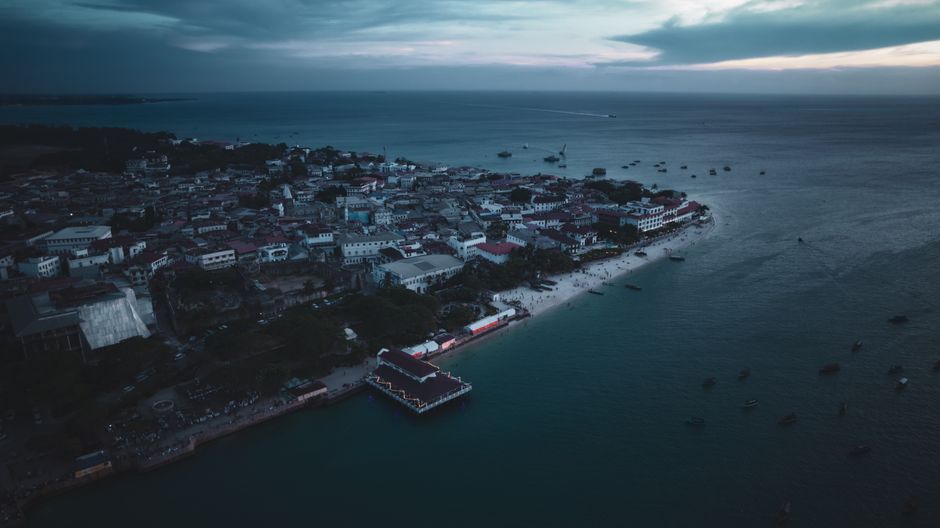
Stone Town announces itself in layers: cloves on the breeze, carved teak doors studded with brass, the call to prayer threading through alleys older than most nations. This coral-stone old city is, in UNESCO words, a fine example of the Swahili coastal trading towns of East Africa, its fabric virtually intact after a thousand years of African, Arab, Indian, and European fusion. Inscribed in 2000, its palaces and markets still stage that fusion daily. Students get a living museum where the sea is never ten minutes away.
Getting there: most visitors fly into Abeid Amani Karume Airport, code ZNZ, on connections through Dar es Salaam, Nairobi, or Doha, with returns from Delhi often between ₹30,000 and ₹50,000 when booked early, so check current prices. The airport sits about 15 minutes by taxi from town, roughly US$10 to US$15 after haggling. Budget travellers can instead fly to Dar es Salaam and ride the fast ferry across in as little as 90 minutes, with tickets roughly US$20 to US$35 by class. In town everything is walkable, while dala-dala minibuses reach the beaches for roughly TZS 500 to TZS 2,500.
What it costs: a student day runs roughly ₹2,500 to ₹4,000, about US$30 to US$50 or TZS 75,000 to TZS 130,000, with the usual warning to check the current rate. Hostel dorms near the seafront cost roughly US$10 to US$20, often with sunset rooftops. Forodhani Gardens night food is the budget miracle, with skewers, samosas, and cane juice each roughly TZS 2,000 to TZS 6,000. Museum entries mostly sit between US$3 and US$10, and a Prison Island boat trip runs roughly US$20 to US$30 return. Sunscreen costs double the mainland, so stock up in Dar if you ferry in.
Sleep near Shangani or Forodhani and the labyrinth becomes your evening walk. Hostels here are rooftop-social, with dhow-trip desks and spice-tour hookups. Eat where the light is: lunch at market stalls behind Darajani for pilau and mishkaki, afternoons on ginger-spiced coffee, dinners grazing the Forodhani grills. The House of Wonders, Old Fort, and Persian baths anchor the waterfront, while the Anglican cathedral stands on the old slave market site, a sombre stop every visitor should make.
When to go: June to October brings dry, breezy days made for alleys and boats, and December to February adds hot beach weather with calm seas. The long rains of March to May soak the island and roughen crossings, so avoid those months for a short trip. November short rains rarely ruin days but can delay ferries. July film and music festivals fill the Old Fort courtyard with open-air concerts, though beds book faster.
Stay safe: most nationalities including Indians get a Tanzanian ordinary visa on arrival or e-visa for roughly US$50, so recheck rules, and Zanzibar additionally requires inbound insurance from its own corporation for roughly US$44, so confirm before flying. Stone Town is safe but persistent, with touts testing every newcomer, so a polite hapana asante, no thanks, repeated firmly works. Swim only at safe tides, since currents and urchins punish carelessness. Women should cover shoulders and knees outside beach zones in this conservative Muslim town.
Day one walks the old stones. Start at the waterfront House of Wonders and Old Fort, cross to the carved-door lanes of Gizenga and Hurumzi, and visit the Freddie Mercury house museum where the Queen frontman was born. Lunch on biryani in a backstreet canteen, then tour the cathedral and slave chambers for the island's hardest history. The Old Dispensary suits golden hour, and sunset belongs to the Forodhani seafront, where locals play football as dhows tilt past. Dinner means grazing the night grills.
Day two sails and spices. Morning boats putter to Prison Island, twenty minutes offshore, for giant tortoises and coral snorkelling, with entry and boat roughly US$25 combined. Afternoon means a spice farm tour in Kizimbani, where guides crush cinnamon and vanilla into your palms and the fruit lunch justifies roughly US$15 to US$25. Back in town, climb a rooftop for the dusk chorus. Evening splits between a dhow sunset cruise for roughly US$20 to US$35 and another Forodhani graze.
Day three drifts local. Morning at Darajani Market for spices, kangas, and mainland-price coffee, then the Hamamni Persian baths and the quiet Malindi mosque quarter. Shoppers should compare fixed-price centres with bazaar lanes before committing to carvings. Afternoon suits the Peace Memorial Museum or a Swahili cooking class. Last night, splurge on a seafront seafood curry where the bill still lands near US$12, and watch harbour lights blink on.
Money craft keeps the island affordable. Tanzania runs on shillings, code TZS, with dollars accepted for tours, so carry small US bills plus shillings for food and buses. ATMs cluster near Forodhani and charge per withdrawal, so take larger sums at once. Haggle boat trips and souvenirs from roughly a third below opener, but never fixed food prices. Tipping runs 10 percent in restaurants and a dollar or two for porters and crews.
For readers outside India: Zanzibar is overwhelmingly Muslim and modest, so swimwear stays on beaches, knees and shoulders covered in town, and public kissing kept private. Ramadan quiets daytime eating, so plan lunches discreetly and join iftar stalls after sunset. Greetings matter, with jambo and habari opening every exchange, and photographing people needs asking first. Carry a passport copy for hotels and the original for ferries, and confirm your visa and insurance path early.
Stone Town rewards wanderers who look up at doors and down at tides. Three full days, roughly US$40 a day, and sandals built for coral rag will carry you from solemn history to spice-scented sunsets. Recheck ferry times, visa and insurance rules, and tour prices before departure, since the island shifts with the monsoon.