
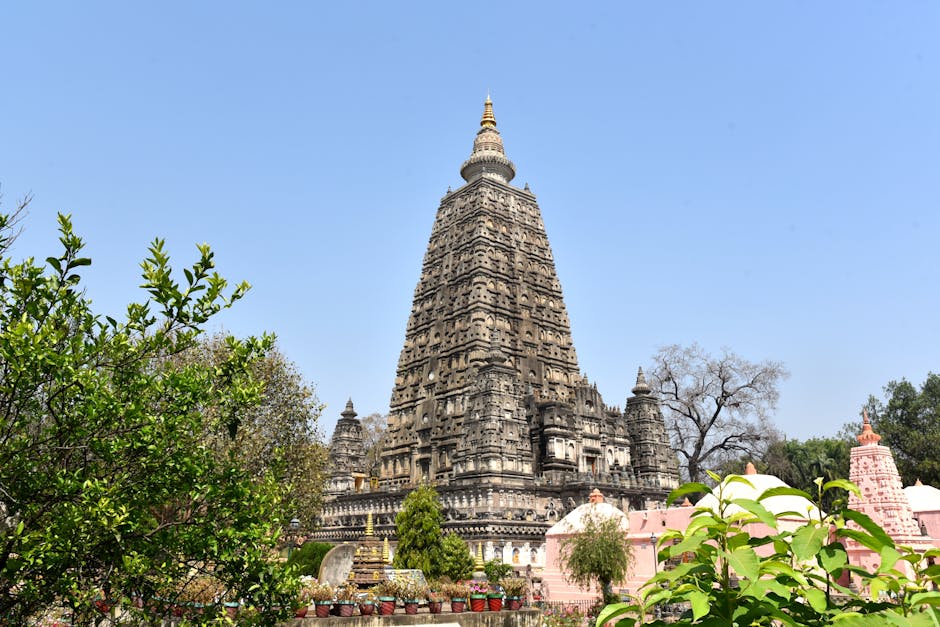
Bodh Gaya: Where the Buddha Found Enlightenment (Student Guide)
Youth Travel India ·
Bodh Gaya student guide with Mahabodhi Temple rules, monastery stays, meditation options and 3-day plan.
→ Our Bodh Gaya destination guide: costs, itinerary and hacks
Bodh Gaya is quiet in a way that surprises first-timers. Chanting drifts across the temple courtyard at dawn, monks from Thailand to Tibet walk softly with alms bowls, and the great spire rises calm above it all. This is where Siddhartha Gautama became the Buddha under the Bodhi tree more than two thousand years ago. For students it is also one of the cheapest meaningful stops in India, with monastery dorms, simple meals and free meditation.
Getting there: the nearest railhead is Gaya Junction, about 17 km away, with overnight sleeper trains from New Delhi, Varanasi, Kolkata and Patna. Sleeper fares from Delhi usually sit roughly between ₹400 and ₹600, and the ride takes seven to nine hours. From Gaya station, frequent buses and shared autos reach Bodh Gaya in about 30 minutes for ₹50 to ₹100. Gaya Airport has limited flights, but trains plus local buses remain the reliable student combo.
What it costs: daily life here is gentle on a student wallet. Monastery guesthouses and simple dorms often charge ₹200 to ₹500, with Thai, Myanmar and Tibetan houses among the best value. Food is equally kind, with veg thali, dal rice, momos and thukpa commonly between ₹100 and ₹300 per day if you eat near the monastery lanes. Local autos and cycle rickshaws add ₹50 to ₹200, while the Mahabodhi Temple entry itself is free. A careful day often totals ₹400 to ₹800, leaving room for books or a day trip.
When to go: October to March is ideal, with cool mornings, mild afternoons and easy walking between temples. November to February is peak season for meditation courses and pilgrim groups, so book monastery beds a little ahead. Buddha Purnima in April or May is the most moving festival as the complex glows with lamps and chants, though heat builds fast. Avoid midday outings in April to June when temperatures cross 40C, and expect humid but green monsoon months from July to September with fewer crowds.
The heart of everything is the Mahabodhi Temple Complex, a UNESCO World Heritage site with a soaring 50 metre spire beside the sacred Bodhi tree. The complex generally opens around 5 am and closes around 9 pm daily, with morning chanting and meditation around 5.30 am to 6 am and evening chanting around 6 pm to 7 pm. Sit under the tree, join the slow clockwise walk around the shrine, and linger for lamp lighting after dark.
Entry is free for all visitors regardless of nationality, which keeps Bodh Gaya truly accessible. Mobile phones and electronic gadgets have been restricted inside the complex for security since 2013, so deposit them at the counter near the entrance and travel light. Still cameras may be allowed with a paid ticket, often around ₹200 for photos and more for video, but rules are revised often so confirm at the gate or on the official temple site before assuming. Picking Bodhi leaves is strictly prohibited, and only fallen leaves may be kept if offered, with staff watching the tree area.
Beyond the main shrine, walk the monastery circuit for a world tour on foot. The Thai temple shines with golden roofs, the Japanese stupa feels calm and minimal, and the towering 25 metre Great Buddha statue watches over gardens at the edge of town.
Stay safe: Bodh Gaya is small, devout and generally very safe, including for solo travellers and women travelling alone. The main precautions are heat, feet and phones. Carry water and a cap for midday monastery hops, wear socks or slip on sandals since hot stone burns after 11 am, and keep valuables locked up because temple shoe counters handle huge crowds. ATMs near the main square can run dry in peak season, so carry enough cash from Gaya. For Vipassana, apply early online and seek medical guidance if you have conditions that make long sitting hard.
For a sketch, use Day one for the temple plus nearby monasteries. Arrive by midday, settle into a monastery guesthouse, rest through heat, then enter the Mahabodhi complex in soft late afternoon light for the tree, shrines and kora. As evening falls, stay for chanting, then stroll to Tibetan eateries for thukpa and momos. Sleep early to prepare for a dawn start, since sunrise is the soul of Bodh Gaya.
Day two is sunrise plus depth. Enter at opening around 5 am, meditate under the Bodhi tree for an hour, watch light climb the spire, then breakfast slowly outside. Visit the Great Buddha statue, Dungeshwari caves if time allows, and the Tibetan and Japanese monasteries through the afternoon. Return for evening lamps and chanting. Day three suits Nalanda and Rajgir by shared taxi, often ₹200 to ₹300 per seat each way, covering ancient university ruins, museum and Stupa before an evening return.
A note on etiquette for foreign friends: this is a living pilgrimage site for millions, so cover shoulders and knees, remove footwear where marked, walk clockwise around stupas and the tree, and keep voices hushed in meditation zones. Ask before photographing monks or nuns, never pose touching statues or climbing shrines, and avoid public displays of affection. Carry a passport copy with the original secured at your stay, since hotels log ID. Most short visits use the standard e Visa for India, so verify validity and keep temple and embassy helpline numbers saved offline.
Travel here rewards slowness and study. Read a short life of the Buddha before you arrive, attend one guided chant instead of rushing five monasteries, and journal under the tree rather than scrolling. Eat at small family kitchens, buy books from monastery shops, and leave donations where you meditate. If you give Bodh Gaya unhurried mornings and respectful silence, it gives back a calm you can carry into exams, travel and everything after.