
Jim Corbett on a Budget: Safari Zones That Actually Deliver
Youth Travel India ·
Corbett on a student budget: Bijrani and Jhirna jeep safaris, Dhikala canter, Ramnagar stays and sighting tips.
→ Our Corbett National Park destination guide: costs, itinerary and hacks
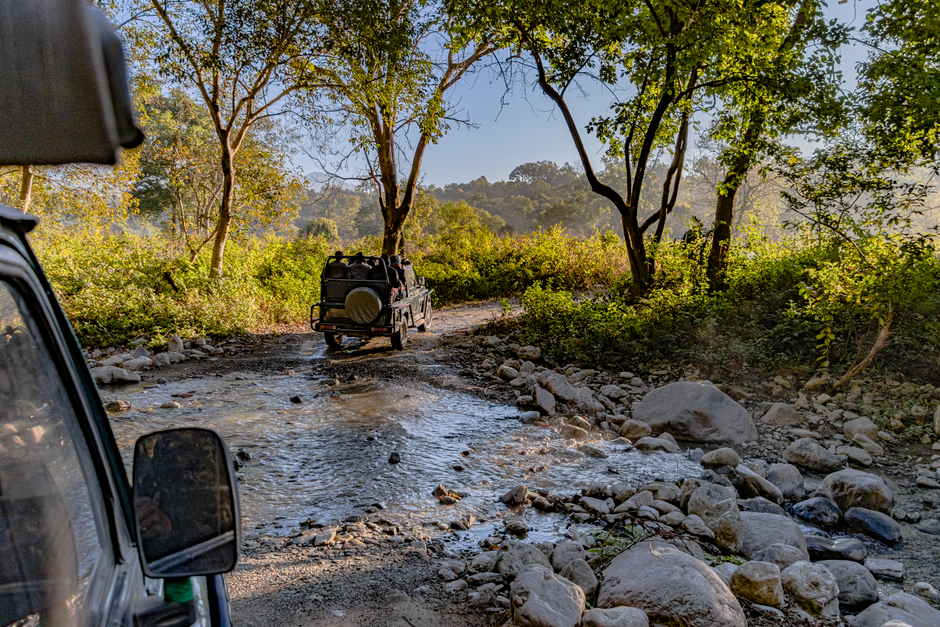
If you have only ever seen a tiger on a screen, Jim Corbett is where that changes on a student budget. It is the oldest national park in the country, spread across foothills near Ramnagar in Uttarakhand, with the Kosi and Ramganga rivers cutting through sal forest and wide grasslands called chaurs. You will hear langurs alarm calling, see elephants in the distance, and feel your jeep go quiet when pugmarks appear. Go with patience rather than a checklist, and Corbett rewards you even if the big cat stays hidden.
Getting there: take the train to Ramnagar, the gateway town at the park edge. The overnight Corbett Park Link Express and Ranikhet Express link Delhi to Ramnagar in five to six hours, with sleeper fares roughly ₹250 to ₹400. Buses from Anand Vihar ISBT take about six hours and cost roughly ₹350 to ₹600. The nearest airport is Pantnagar about eighty kilometres away, but the train is cheaper and drops you near budget hotels and the safari office. Shared autos from the station to gate areas cost roughly ₹100 to ₹200.
What it costs: plan for about ₹1,500 to ₹2,500 per day per person when you share rooms and jeeps. Budget hotels in Ramnagar charge roughly ₹500 to ₹1,000 for a basic double room, so splitting with friends brings costs to hostel level. Simple dhaba meals cost roughly ₹200 to ₹400 per day, with thali, paratha and egg curry filling and cheap. A shared day jeep safari works out roughly ₹1,000 to ₹1,800 per person when six people split vehicle, permit, driver and guide charges. The Dhikala canter costs more per seat, so treat it as your one splurge.
When to go: the main season runs November to June, with each zone on its own calendar. Bijrani near Amdanda usually opens mid-October to late June and mixes sal forest with meadows. Dhikala beyond Dhangari usually opens mid-November to mid-June and allows day visitors only by canter, plus overnight rest house stays. Jhirna and Dhela on the southern side stay open through the year, weather permitting, and suit monsoon plans. Tiger sightings peak April to June near water, while winter is cooler and superb for elephants and birds.
Stay safe: book only through the official Corbett portal and carry the same original photo ID used for booking. Seats are limited and sell out weeks ahead, so reserve at least two to three weeks early, earlier for weekends and Dhikala nights. You must stay inside the vehicle, keep voices low, and never feed animals. Ramnagar has ATMs and a hospital, but network drops inside the forest, so save permits offline. Solo travel is common because jeeps are shared, but tell your hotel your zone and reporting time.
Picking a zone is easier once you know their personalities. Bijrani is the classic first-timer choice, close to Ramnagar, with a strong reputation for tiger movement in sal and grassland mix. Dhikala is the legendary core of chaur and river, best felt on a canter day trip or an overnight rest house stay with dawn and dusk drives. Jhirna and Dhela are reliable all year options, good for sloth bear, elephants, deer and birding when other zones shut. Pair one Bijrani morning with one Jhirna afternoon for variety and lower cost.
Here is a simple two to three-day sketch that keeps costs low. Arrive by overnight train, drop bags at a guesthouse, and use the morning to confirm permits, rent binoculars and walk the Kosi riverbank. Take an afternoon jeep in Bijrani from about two to half past five, then eat early and sleep early. Wake before dawn for a Dhikala canter or second jeep from about six to eleven, rest midday, then visit the Corbett Museum at Kaladhungi or Garjia temple. Leave by evening train or next morning bus, allowing buffer for winter fog.
Stay in Ramnagar town rather than a riverside resort, because town guesthouses cost half the price and autos reach every gate. Forest rest houses inside Dhikala and Bijrani are basic but atmospheric, often with meals included, and they place you inside at dawn when animals move. Eat where drivers eat for fresh thali and chai, carry two litres of water, plus bananas for gate waits. Most budget places give blankets and hot water on request in winter, but carry a light liner for night trains.
For foreign readers: you are welcome on a standard tourist visa with passport as safari ID. Enter name and passport number exactly as printed, because gate checks are strict and mismatches mean no entry. Safaris include a driver plus a forest guide, so stay seated, follow hand signals, and avoid flash or drones which are not allowed. Wear muted greens and browns and speak quietly at gates. ATMs in Ramnagar accept international cards on most days, but carry enough rupees for balances and small shops.
Travel responsibly because these forests face real pressure. Never ask your driver to chase, bait, crowd or call to any animal, and speak up politely if another vehicle does so, because calm tigers stay visible longer. Keep the distance your guide advises, switch phones to silent, take all wrappers back to town, and refuse any offer to feed monkeys. Prefer forest department lodges and locally run guesthouses over large resorts with loud music and bright lights. Your money then supports trackers, cooks and village stays.
Packing light makes the bumpy ride more fun. Carry a warm layer even in March because open jeeps feel cold at dawn, plus cap, sunscreen and scarf for dust. Binoculars change everything for birds and distant elephants, so borrow or rent a pair. Keep ID copy separate from original, power bank charged, and cash in small notes for tips. Wear closed shoes with grip for jeep climbs. If the tiger hides, enjoy deer herds, eagles, otters and hornbills with your guide. Open the linked Corbett guide for gate distances and booking windows.