
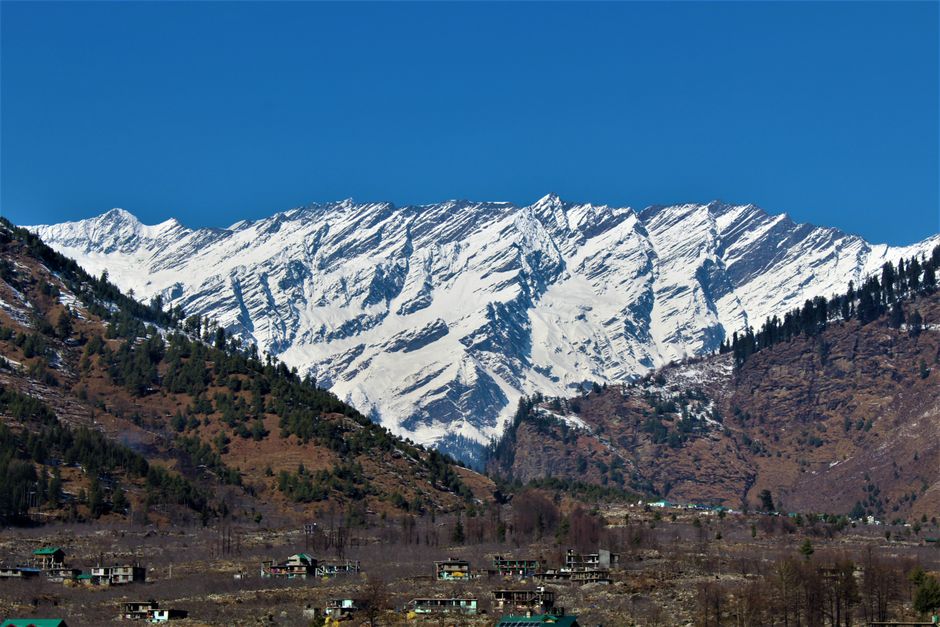
Manali & Solang: Snow Days, Paragliding & Student Prices
Youth Travel India ·
Manali for students: Volvo buses, Solang flights, snow sports and honest prices on a hostel budget.
→ Our Manali destination guide: costs, itinerary and hacks
Manali sits at the head of the Kullu Valley and splits neatly into two towns. New Manali holds the bus stand, the market and the ATMs, while Old Manali across the river holds the hostels, orchard lanes and riverside cafes where backpackers actually live. Solang Valley lies fourteen kilometres up the road and turns into an adventure park every season. This guide covers snow days, paragliding and honest student prices in one trip.
Getting there: the overnight Volvo bus from Delhi is the classic student route. HRTC and private Volvos leave ISBT Kashmere Gate in the evening, take about fourteen hours and charge roughly ₹1,000 to ₹1,500, while ordinary HRTC buses cost roughly ₹700 to ₹1,000 with less comfort. The nearest airport is Bhuntar near Kullu, about fifty kilometres away, with Delhi flights often under ₹5,000. The nearest major railhead is Chandigarh, three hundred ten kilometres away, with onward buses to Manali taking eight to nine hours for roughly ₹400 to ₹700.
Once in town, local buses and shared taxis connect the bus stand with Old Manali, Vashisht and Solang for roughly ₹100 to ₹300 a seat. Group up with hostel mates for Solang and Sissu taxis, since solo auto fares punish lone travellers. On peak weekends, book the return Volvo the moment you reach, because Sunday night seats sell out fast.
What it costs: Manali is one of the easiest Himalayan towns to do cheaply. Dorm beds and basic homestays in Old Manali run roughly ₹400 to ₹600 a night, often with kitchen access. Simple thalis and cafe meals cost roughly ₹250 to ₹500 a day if you mix local dhabas with one cafe splurge. Local transport stays between ₹100 and ₹300 a day. Keep ₹1,500 to ₹2,500 per day all in, plus a separate activity fund for paragliding or rafting.
When to go: March to June is the main season, with pleasant weather, green Solang meadows and rafting running on the Beas. July to September brings monsoon rain and occasional landslides on the Chandigarh highway, so check road status before booking. October to November offers the cleanest mountain views and fine trekking weather. December to February is winter, with freezing nights and guaranteed snow at Solang. The Rohtang road closes around November and reopens near May, while the Atal Tunnel stays open through the year.
Stay safe: Manali needs no permits for the town, Solang or the tunnel route, but Rohtang Pass itself needs a sightseeing e permit costing ₹550 per vehicle with a daily quota of twelve hundred vehicles, so book a few days ahead in season. The Atal Tunnel runs nine kilometres under the pass, needs no permit, and bans stopping and photography inside. The Beas is fast, rocky and cold, so never swim outside marked safe spots. Choose paragliding and rafting operators who display valid licences, and buy insurance that covers adventure activities before you fly or paddle. Solang sits above two thousand four hundred metres with trips climbing higher, so pace yourself, hydrate and heed any headache or nausea as altitude strain.
Solang activities and pricing reward a little homework. Short tandem flights of five to ten minutes cost roughly ₹1,200 to ₹2,500, while high flights run roughly ₹3,000 to ₹4,000 and longer flights at Dobhi cost roughly ₹2,500 to ₹4,500. A video of your flight adds roughly ₹300 to ₹500. Mornings fly best, and the cable car, zorbing and ski lessons fill the non-flying hours. Avoid touts inside paid parking zones, where prices skew highest.
A three-day sketch fits a long weekend. Day one starts with the morning bus arrival and hostel check in, then a slow wander through the lanes and the riverside. Walk up to Vashisht in the afternoon for its free hot spring temple pool, carrying a towel, and finish with an early riverside dinner.
Day two is the Solang adventure day. Catch a morning shared taxi or bus and reach before the crowds thicken. Fly first if the weather window is good, then fill the morning with the cable car or zorbing. Return by afternoon and stop at the Hadimba Devi temple, set in a deodar forest clearing, for a calm walk under thousand year old trees.
Day three runs through the Atal Tunnel to Sissu in Lahaul for roughly ₹200 to ₹300 a seat each way. The landscape flips from green Kullu to brown desert mountains within an hour, with the Sissu waterfall as the standard halt. Return by afternoon, collect your bags and catch the evening Volvo to Delhi. If the tunnel road looks disturbed, swap this day for the Sethan hamlet walk or a slow cafe day instead.
Etiquette and the mountains deserve a paragraph of their own. Wash before entering the Vashisht spring pools, keep swimwear modest and voices low inside a working temple complex. On forest trails, carry your wrappers out, refill bottles at the hostel and stick to marked paths. Support family-run cafes and homestays, and keep late night noise down in lanes where people actually live.
Foreign readers will find Manali one of the simplest Indian hill towns to navigate. Enter on an Indian electronic visa, keep passport copies on you, and use ATMs in New Manali before they run dry on peak weekends. Old Manali is safe to walk at night with a torch, and licensed operators take foreign flyers routinely, so ask about weight limits and insurance before paying. For bus details, seasonal nuance and linked itineraries, read our full Manali destination guide before you pack.