
Ranthambore: Tigers Below a Thousand-Year-Old Fort
Youth Travel India ·
Ranthambore on a budget: zones one to five, canter versus gypsy, fort views and Sawai Madhopur travel tips.
→ Our Ranthambore destination guide: costs, itinerary and hacks
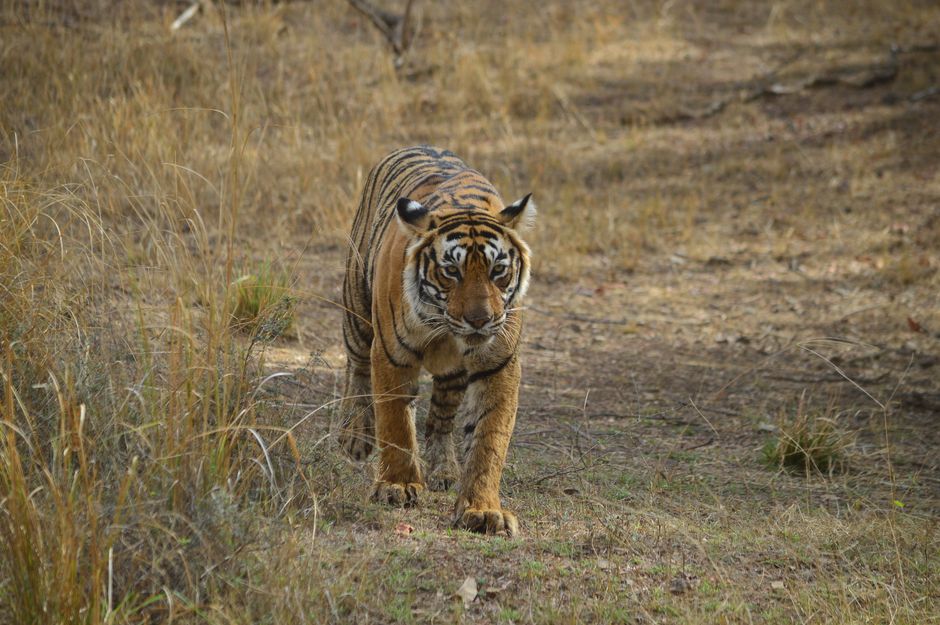
Ranthambore feels like a film set where tigers walk past lakes and a hilltop fort that has watched these forests for nearly a thousand years. The park spreads across dry forest in Rajasthan where the Aravalli and Vindhya hills meet. Tigers here often show well in daylight, so students with two days stand a fair chance. Come for the cat, stay for the fort and desert light.
Getting there: aim for Sawai Madhopur station, which sits on the Delhi to Mumbai line and is a short auto ride from the gates. Direct trains from Delhi take about four hours, with sleeper fares roughly ₹200 to ₹300 and chair car for day travel. Buses from Delhi ISBT take six to seven hours and cost roughly ₹400 to ₹600. The nearest airport is Jaipur about one hundred and eighty kilometres away, with low-cost flights from Delhi often under ₹4,000 if booked early. Autos from the station to hotels and the Sherpur gate area cost roughly ₹100 to ₹150.
What it costs: plan for about ₹1,400 to ₹2,400 per day per person with shared safaris. Dorm beds and guesthouses near the station charge roughly ₹400 to ₹800 for a bed or basic double. Dhaba thali, dal baati, paratha and chai cost roughly ₹200 to ₹400 per day if you eat local. A shared canter, a twenty seater open bus, usually works out roughly ₹700 to ₹1,200 per person through the official channel, while a shared gypsy seat costs more. Always book through the official Rajasthan forest portal, because touts add a heavy margin on the same seat.
When to go: the main season runs October to June, with a full monsoon break when core areas rest. October to March brings pleasant weather and good wildlife, though thick bush can hide cats. April to June is hot, often crossing forty degrees, yet best for tigers as they visit Padam Talab and Rajbagh daily. Core zones one to five usually close on Wednesdays and buffer zones six to ten usually close on Tuesdays, so check your date before locking trains. The park is fully shut July to September, with only limited buffer operation in some years.
Stay safe: permits are per zone per shift and cannot be swapped at the gate, so check date, shift and ID right after payment. Carry the same original photo ID used for booking and reach thirty to forty five minutes early. Morning drives run roughly six to ten and afternoon drives roughly half past two to half past five, shifting slightly with light. Stay seated, keep arms inside, and follow the guide near lakes and fort steps. Town has ATMs and decent network, but carry water and cap as shade is scarce.
The zone system confuses first-timers, so keep it simple. The reserve has ten zones, with one to five forming the historic core near the fort and lakes, and six to ten forming buffer reached via Kundal. Zones two to four around Jogimahal, Padam Talab and Lakarda are perennial favourites for tigers and scenery. The fort rises above zone three, so a drive there can pair lake reflections with rampart views. Buffer zones still hold tigers, leopards and hyenas with fewer vehicles, so do not feel cheated by zone six or eight. Sightings depend on movement that day, not a magic number.
Canter versus gypsy is budget versus flexibility. Canters seat about twenty, cost far less, ride higher for views, but move slower and avoid narrow tracks. Gypsies seat six plus guide and driver, cost more, move faster and give cleaner photo angles. For students, the smart combo is one canter to learn the forest cheaply plus one gypsy split with hostel mates. Book ninety days ahead when possible, as weekends sell out first. If only buffer zones remain, still go, as a quiet buffer morning often beats a crowded core afternoon.
A compact two to three-day sketch works well with trains. Arrive by morning train, check into a guesthouse, and take the afternoon safari around the lakes in golden light. Next morning take the early safari for active cats and soft light, then climb to Ranthambore Fort after lunch for temples and valley views. If you have a third day, add one more safari in a different zone group or visit Trinetra Ganesh temple and the natural history museum. Catch an evening train to Delhi or Jaipur, keeping buffer for safari overruns.
For foreign readers: bring your passport for every safari, as foreign permits need exact passport details and higher fees. Book as a foreign national on the official portal rather than letting an agent book you as domestic, since mismatches can cancel permits without refund. Guides give basic English commentary, so ask short clear questions about tracks and birds. Dress modestly for fort temples, covering shoulders and knees, and carry small rupee notes for autos and tips. Use sealed bottles as tap water is not safe.
Travel responsibly because this is a high pressure park with limited vehicles per zone. Never pressure your driver to chase, block, crowd or call to a tiger, and report baiting or off track behaviour rather than filming silently. Keep respectful distance, switch phones to silent, do not play animal sounds, and take every wrapper back to town. Choose forest lodges and family guesthouses over loud pool resorts that strain water and light corridors. Your quiet patience gives the next vehicle a fair sighting too.
Packing smart stretches rupees further. Carry your own binoculars if you can, because gate rentals are limited and often scratched. Winter morning drives feel freezing in open vehicles, so layer fleece, windcheater, gloves and cap from November to February. Summer needs cap, scarf, sunglasses, sunscreen and two litres of water. Eat a solid breakfast before morning drives and a light thali after, since heavy meals plus bumpy tracks mix badly. If tigers nap, enjoy crocodiles, eagles, deer and the fort at sunset. Open the linked Ranthambore guide for booking windows and gate maps.