
Volunteering in Spiti: Homestays, Greenhouses & Thin Air
Youth Travel India ·
Volunteer in Spiti with homestays and greenhouse builds, learn high altitude life and keep costs low in thin air.
→ Our Spiti Valley destination guide: costs, itinerary and hacks
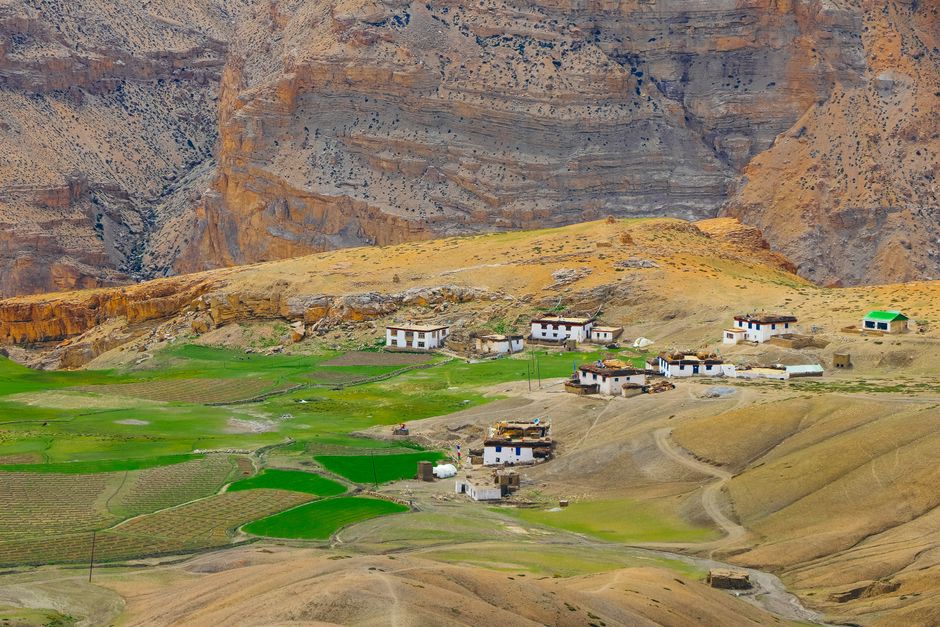
Spiti does not let you rush. The valley sits above 3500 m in cold desert country where villages cling to brown slopes and prayer flags snap in thin air. Volunteering here means living with a family, eating what they eat and helping with what the season demands. You will wake to frost on the window, help raise a greenhouse wall and end the day with butter tea under a deep blue sky. If you want voluntourism with real sweat and real respect, this is it.
Getting there: there are two road routes and both need time. The Shimla route via Kinnaur stays open longer, take an HRTC bus from Shimla to Reckong Peo for roughly ₹300 to ₹500 in about eight hours, then another bus to Kaza for roughly ₹400 to ₹600 in about eight hours. The Manali route via Kunzum Pass is shorter but open only June to October, with buses from Manali to Kaza taking ten to twelve hours for roughly ₹500 to ₹700. Shared jeeps cost roughly ₹500 to ₹1,000 per leg. The nearest airport is Bhuntar about 260 km from Kaza, so most students come by bus.
What it costs: homestays charge roughly ₹500 to ₹1,000 per night, often with meals, while food on the road is dal rice thukpa and momos for roughly ₹200 to ₹400 per meal. Shared jeeps between villages run roughly ₹300 to ₹500 per seat. Monastery entries are small at roughly ₹20 to ₹100. Structured volunteer travel with Spiti Ecosphere costs more because stay food transport and materials are bundled, for example the seven day climate action journey is listed around ₹23,990 per person and the nine day greenhouse build is higher. Farm stays can be lighter, with stay and meals with the host family for a modest daily contribution, so ask what is included before you compare.
Applying: choose between a structured trip and a longer farm stay. For greenhouse and climate action trips, apply on the Ecosphere site, pick departures from May to October and share age fitness and food needs. For farm volunteering, write with clear dates and a minimum commitment of five to six days excluding travel, longer is better because early days go in acclimatisation. Families are not well off so you cover stay and food costs and you are treated as a family member not a client. If the fit is poor you may be asked to leave, which keeps expectations honest on both sides.
When to go: June to September is the workable window. Roads open by early June after snow clearance and close again by October. July and August are busy with some cloud and risk of landslides on approach roads, though the valley stays dry. September is often best with clear skies and fewer tourists. October can work in the first half but early snow can shut passes without warning. Avoid November to May unless on an expedition team, when temperatures fall to minus 20C and below and most homestays shut.
Stay safe: altitude is the main risk, not crime. Kaza sits near 3600 m and day trips climb above 4500 m, so rest a full day on arrival, drink water often and avoid alcohol on day one. Descend if headache nausea or breathlessness worsen and carry Diamox only if a doctor has advised it. Cash is essential because the Kaza ATM works at times and villages have none, so withdraw in Shimla or Manali. Signal is limited to BSNL and patchy Jio with long silent stretches beyond. Insist on a named village host, written tasks and a clear cost breakup, and never hand over original documents.
Sample week for a greenhouse build: day one arrive in Kaza and rest. Day two joins a high village loop to Kibber Langza Hikkim and Komic and visits a greenhouse built by past volunteers. Day three shifts to the project village and meets the host family. Day four and day five are core build days, mixing mud and learning solar passive basics for three to four hours with tea breaks. Day six visits Dhankar and Tabo monastery for context on the thousand year old culture. Day seven finishes plastering, celebrates inauguration and returns to Kaza.
A longer farm stay sketch for two weeks: week one is routine, feeding animals, weeding peas and barley and learning to cook thukpa. Week two brings skill, you help repair a greenhouse sheet, stack winter fodder and teach English phrases to kids in return for Spitian phrases. Keep one buffer day for road delays because jeeps wait to fill.
Daily life is spare and warm. You sleep in a simple room with a common toilet, eat barley porridge for breakfast and rice dal with greens for dinner, and wash with limited hot water heated by sun. Days start after frost melts and end early under crowded stars. Ask before entering kitchens and prayer rooms, accept tea with both hands and offer help without being asked. Carry a headlamp, sunblock and layers for sharp swings between sun and shade. Internet is slow in Kaza and absent in hamlets, so tell family about quiet days in advance.
Foreign readers: Indian nationals need only a government photo ID for check posts at Jangi and Sumdo, while foreign nationals need a Protected Area Permit arranged through a registered operator in Delhi or Shimla, so confirm paperwork before boarding the bus. Dress modestly in monasteries, walk clockwise around shrines, remove shoes where asked and do not touch murals. Ask before photographing monks and families and keep voices low in prayer halls. Altitude affects everyone regardless of fitness, so build rest days into any onward plan.
You will leave with strong legs and a new sense of sufficiency. If the greenhouse and homestay model speaks to you, read our Spiti Valley guide for Kaza logistics, monastery etiquette and road routes to shape your fortnight.